Tag: mensstyleguide

  • The Perfect Summer Suit: A Timeless Essential for Every Capsule Wardrobe

    The Perfect Summer Suit: A Timeless Essential for Every Capsule Wardrobe

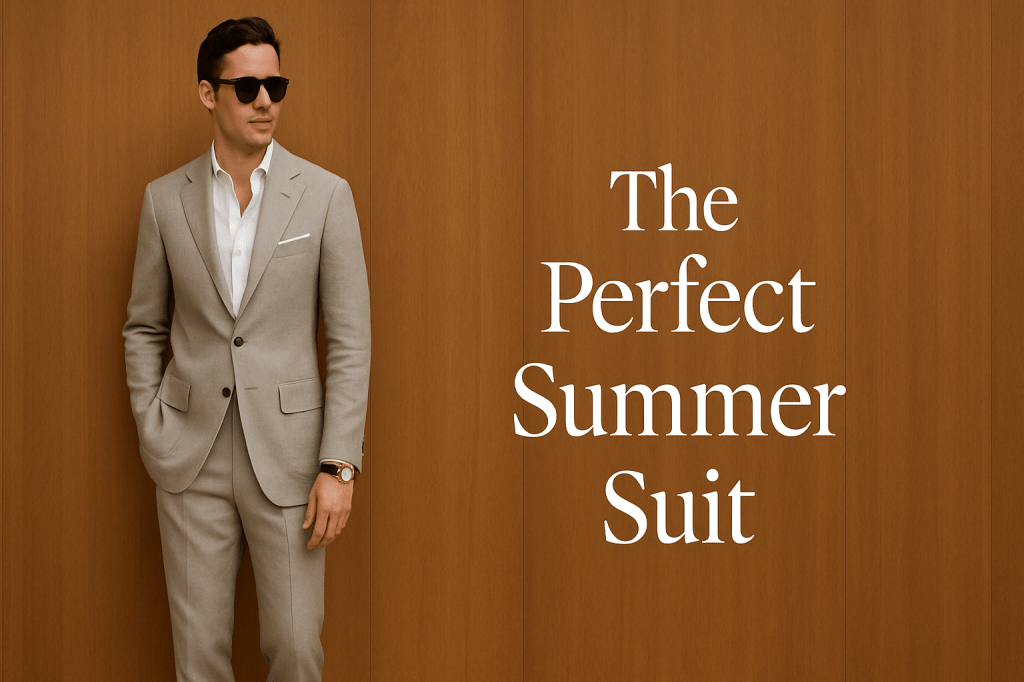
    There’s a particular kind of magic to the perfect summer suit. It’s the sartorial equivalent of sprezzatura — effortless elegance that whispers instead of shouts. As a seasoned men’s fashion expert who travels to Pitti Uomo twice a year, I’ve seen everything from the wildest peacocks to the purest expressions of timeless tailoring. And amidst the evolving trends, one truth remains: a well-chosen summer suit, especially in the relaxed yet refined Italian style, belongs in every man’s capsule wardrobe.

    Minimalism doesn’t mean deprivation; it means intentionality. And the summer suit, when chosen well, is the ultimate intentional piece — versatile, lightweight, and able to adapt to the rhythm of modern life. Whether you’re navigating meetings in a sun-drenched office, attending a summer wedding, enjoying a dinner date, or sipping a Negroni at a backyard BBQ, the right summer suit can rise to the occasion.

    Why Every Capsule Wardrobe Needs a Summer Suit

    The idea behind a capsule wardrobe is simple: own less, wear more. Each piece must pull its weight across various settings. A thoughtfully selected summer suit does just that. Unlike its structured, wool-heavy winter counterparts, a summer suit is about fluidity, ease, and breathability. It bridges the space between formality and comfort, offering a polished yet relaxed aesthetic that doesn’t wilt under the sun.

    When you invest in a suit you can wear as separates or as a whole, you’re unlocking a dozen outfits in one go. This is not about fashion. It’s about style — that rare quality that persists when trends fade. And nothing defines timeless style like Italian tailoring adapted for warm weather.

    From Office to Occasion: The Suit That Works Everywhere

    One of the most compelling arguments for the summer suit is its versatility. Here’s how it works for every setting on your calendar:

    Office:

    Pair it with a crisp white poplin shirt and a pair of suede loafers. Skip the tie for a smart-casual take or add a lightweight silk knit tie for meetings that demand presence.

    Summer Wedding:

    Go full sprezzatura. Add a linen pocket square, sleek leather derbies, and a soft chambray shirt. You’ll look dressed up without feeling overdressed.

    Date Night:

    Ditch the dress shirt in favor of a fitted linen or polo shirt in a soft neutral tone. Unbutton the jacket, roll up your sleeves ever so slightly, and let your demeanor do the rest.

    Backyard BBQ or Garden Party:

    Break it up. Throw the jacket over a crewneck tee, and wear the trousers with leather sandals or canvas sneakers. You’ll look pulled together without trying too hard.

    Choosing the Right Suit: Fit, Fabric, Style, and Color

    The success of a summer suit lies in its details. Let’s break down how to choose the right one:

    Fit

    Forget the stiff, hyper-tailored silhouettes of the 2010s. Summer tailoring should follow your body, not cling to it. Look for a jacket with unstructured or lightly padded shoulders, allowing for natural movement. The trousers should be slim but breathable, ideally with side adjusters for a clean waistline. Think of comfort as a form of confidence — when your suit fits well, it feels like a second skin.

    Fabric

    This is non-negotiable. The wrong fabric will sabotage even the best cut. Look for lightweight, breathable materials like:

    Linen: Classic, slightly rumpled charm that screams summer in Tuscany.

    Cotton Twill: Crisp and durable, great for structured-yet-relaxed looks.

    Tropical Wool: Surprisingly breathable and wrinkle-resistant — a smart choice for city wear.

    Blends (Linen-Cotton, Wool-Silk): Offer the best of both worlds — cooling properties and a superior drape.

    Personally, I gravitate toward high-twist tropical wool for its versatility and elegance. It travels well and holds its shape even after a long day.

    Style

    This is where Italian tailoring shines. Go for a single-breasted jacket, ideally with two buttons, double vents, and patch pockets. The double vent helps with airflow and adds a rakish charm from behind. Patch pockets, meanwhile, keep things relaxed — less boardroom, more Riviera.

    Unlined or half-lined construction is crucial. You don’t want to be weighed down. Let the jacket breathe.

    The lapel should be soft and slightly wider than average — think Neapolitan flair, not banker’s boardroom.

    Color

    Here’s where most men make a mistake. Avoid anything too loud or too dark. Summer is about lightness — opt for:

    Stone or Sand: The ultimate warm-weather neutral.

    Light Grey: Clean, modern, and easy to pair with almost anything.

    Olive or Sage: A refined way to stand out without shouting.

    Dusty Blue or Airforce Blue: A softer take on navy that suits all skin tones.

    Skip pinstripes or anything high-contrast. Instead, embrace subtle texture — like a herringbone weave or slubbed linen — for visual interest that doesn’t overpower.

    The Case for Less Formal: Sprezzatura in Action

    Formal suiting has its place, but summer calls for something more lived-in. The beauty of Italian style is that it never tries too hard. Patch pockets, soft shoulders, and natural materials combine to create a look that’s elegant without being fussy.

    The less formal summer suit projects quiet confidence. It says: I know how to dress well, but I don’t need to prove it. That’s sprezzatura. It’s the key to looking polished without appearing stiff — a must for today’s busy professional who moves fluidly between work and life.

    And it’s not just about appearances. This style is functional. You stay cool, you feel unrestricted, and you look great without having to constantly adjust or fuss. That, my friend, is the point.

    Styling Tips: Do More with Less

    Mix & Match: Wear the jacket with white jeans or chinos. Pair the trousers with a navy polo. That’s two extra outfits instantly.

    Keep Accessories Light: A linen pocket square, a simple braided belt, and a pair of tortoiseshell sunglasses are more than enough.

    Footwear: Loafers, espadrilles, or minimalist leather sneakers cover all occasions.

    Grooming & Posture: No summer suit looks good without confidence and self-respect. Keep your grooming clean, stand tall, and let the tailoring do the talking.

    Final Thoughts: The Summer Suit, Simplified

    A well-chosen summer suit is more than just a garment — it’s a mindset. It speaks of a man who values quality over quantity, elegance over extravagance, and function over flash. It proves that minimalism, when executed with taste, doesn’t restrict — it liberates.

    So if your capsule wardrobe is missing this warm-weather essential, consider this your invitation. Invest in one. Wear it often. Let it age with you, adapt with you, and most of all— let it remind you that style, like summer, is best when enjoyed lightly.
  • Timeless Shoes for Men: Essential Styles Every Man Should Own

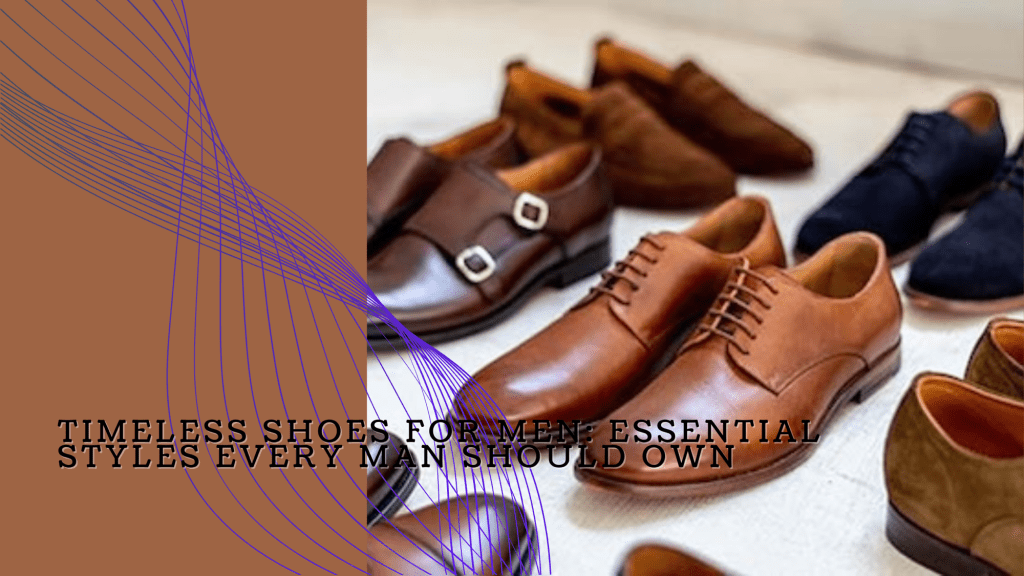
    Timeless Shoes for Men: Essential Styles Every Man Should Own

    When it comes to style, nothing says more about a man than his choice of shoes. Shoes aren’t just about comfort—they define the character of an outfit and can make or break your overall appearance. While fashion trends come and go, certain shoe styles have stood the test of time, offering versatility, elegance, and practicality that transcend fleeting fads.

    In this guide, we’ll explore the must-have shoe styles for every man’s wardrobe and how to wear them effortlessly, whether you’re headed to the boardroom, a wedding, or a weekend brunch.


    1. The Oxford – A Classic for Formal Occasions

    The Oxford shoe is the epitome of formal footwear. Distinguished by its closed-lacing system, which gives it a sleek, streamlined appearance, the Oxford has been the go-to choice for men in formal settings for decades. The design is timeless, making it an essential investment for any man who needs to look sharp in high-stakes situations.

    Key Features:

    • Closed lacing system
    • Leather upper
    • Thin sole for a polished look

    Best Occasions:
    Oxfords are perfect for black-tie events, weddings, job interviews, and other formal gatherings. They pair flawlessly with tuxedos, dark suits, or even a well-tailored navy suit for an important business meeting.

    Classic Outfit Example:

    • Navy or charcoal grey suit
    • Crisp white dress shirt
    • Silk tie in a solid or subtle pattern
    • Black leather Oxfords for maximum formality

    With a pair of black leather Oxfords, you’ll always look impeccably dressed for the most formal occasions, projecting confidence and sophistication effortlessly.


    2. The Derby – Smart and Versatile

    While the Derby shares many similarities with the Oxford, the key difference is its open-lacing system, which gives it a more relaxed and versatile feel. This design feature makes the Derby a great choice for both formal and casual occasions. It’s the kind of shoe that adapts to whatever situation you’re in without ever looking out of place.

    Key Features:

    • Open lacing system for a slightly roomier fit
    • Leather or suede material
    • Can feature broguing (decorative perforations) for added flair

    Best Occasions:
    Derbies work well for business-casual settings, dinner dates, or even upscale casual events. Pair them with chinos, blazers, or slim trousers for a sharp yet relaxed look.

    Classic Outfit Example:

    • Charcoal grey trousers
    • Light blue or patterned dress shirt
    • Navy blazer
    • Brown leather Derby shoes

    A versatile brown Derby can transition from the office to an after-work event with ease, offering both comfort and style.


    3. The Loafer – Effortless Elegance

    Loafers are the definition of easy sophistication. With no laces to tie and a slip-on design, they blend convenience with a touch of refinement. Originating as a casual shoe, loafers have evolved to work seamlessly in semi-formal and smart-casual settings.

    Key Features:

    • Slip-on design
    • Available in leather or suede
    • Options include penny loafers, tassel loafers, and bit loafers

    Best Occasions:
    Loafers are versatile enough to be worn at the office, brunches, or even summer weddings. Their slip-on nature makes them great for travel or casual Fridays when you still want to look put-together.

    Classic Outfit Example:

    • Light grey chinos
    • White button-down shirt with sleeves rolled up
    • Brown leather tassel loafers
    • A lightweight navy blazer

    Tassel loafers offer just enough flair to elevate your look, while still keeping things relaxed and comfortable.


    4. The Brogue – When You Want to Stand Out

    Brogues are instantly recognizable thanks to their unique perforations, which were originally designed to allow water to drain out when walking through wet environments. Today, they’ve become a stylish statement piece that adds character to any outfit. Though they come in various styles, including Oxfords and Derbies, broguing gives them a distinctive look.

    Key Features:

    • Decorative perforations along seams and edges
    • Available in full, half, and quarter brogue styles
    • Typically feature a wingtip design

    Best Occasions:
    Brogues are perfect for semi-formal events, work settings, or even smart-casual evenings out. Their versatility allows them to be paired with suits or dressed down with jeans and a blazer for a night out.

    Classic Outfit Example:

    • Slim-fit navy suit
    • White or light blue dress shirt
    • Burgundy or dark brown leather brogues
    • No tie for a more relaxed yet stylish look

    A dark brown full brogue paired with a slim suit creates a sophisticated yet approachable outfit that’s perfect for after-work social events.


    5. The Chelsea Boot – Sleek, Sophisticated, and Ready for Anything

    A Chelsea boot is a must-have for every man, thanks to its sleek, ankle-length design and convenient pull-on style. Popularized by the British mod scene in the 1960s, Chelsea boots have since become a staple for both casual and formal occasions. Their versatility makes them one of the most reliable options in any wardrobe.

    Key Features:

    • Elastic side panels for easy slip-on functionality
    • Ankle-high design
    • Available in leather or suede

    Best Occasions:
    Chelsea boots can be worn year-round, making them a fantastic choice for the office, date nights, and weekend outings. The leather variety leans more formal, while suede offers a casual, relaxed vibe.

    Classic Outfit Example:

    • Slim black jeans or chinos
    • Crisp white dress shirt or turtleneck sweater
    • Suede Chelsea boots for casual or leather Chelsea boots for formal settings

    Pair black leather Chelsea boots with dark slim-fit jeans and a blazer for a modern, stylish look that works for both day and evening events.


    6. The Sneaker – A Modern Essential

    No longer just for sports, sneakers have evolved into a fashion staple that bridges the gap between casual and smart-casual attire. A minimalist leather sneaker is particularly versatile, allowing you to look stylish and feel comfortable at the same time.

    Key Features:

    • Lightweight construction with a cushioned sole
    • Available in leather, canvas, or suede
    • Wide variety of styles, from minimal to bold

    Best Occasions:
    Sneakers work great for casual outings, weekend events, or even casual work environments. Stick to minimal, clean designs for more formal casual settings, such as meetings or social gatherings.

    Classic Outfit Example:

    • Slim-fit jeans
    • Plain white or grey t-shirt
    • Navy bomber jacket or cardigan
    • White leather sneakers

    A pair of white leather sneakers paired with dark denim and a well-fitted t-shirt creates an effortlessly cool and comfortable outfit.


    7. The Monk Strap – Unique and Stylish

    For men looking to add something different to their shoe rotation, the monk strap shoe offers a unique twist on traditional styles. With its signature buckle closures, the monk strap sits between the formality of an Oxford and the casual ease of a loafer.

    Key Features:

    • Single or double buckle straps instead of laces
    • Leather construction
    • Sleek silhouette

    Best Occasions:
    Monk straps can be worn in formal and semi-formal settings, such as the office, weddings, or dinner events. They offer a modern alternative to Oxfords or Derbies without compromising on sophistication.

    Classic Outfit Example:

    • Charcoal grey suit
    • Light pink or white dress shirt
    • Double monk strap shoes in dark brown leather
    • No tie, for a smart-casual look

    Monk straps strike the perfect balance between formality and style, ideal for when you want to make a subtle statement.


    Conclusion:

    Shoes are more than just an accessory—they’re an essential part of your wardrobe that can elevate your style effortlessly. Investing in these timeless styles ensures that no matter the occasion, you’ll always be prepared and polished. From the classic Oxford to the versatile sneaker, these shoes offer the perfect blend of tradition, elegance, and modern-day convenience.

    By building a collection of these key styles, you’ll be able to make the hard things in life—like dressing well—look completely effortless.


    Call-to-Action:
    Ready to step up your shoe game? Assess your wardrobe and start building a collection of timeless shoes that will carry you through every occasion. Follow my blog for more tips on living effortlessly stylish.

  • The Art of Suiting: Choosing the Perfect Suit for Any Occasion

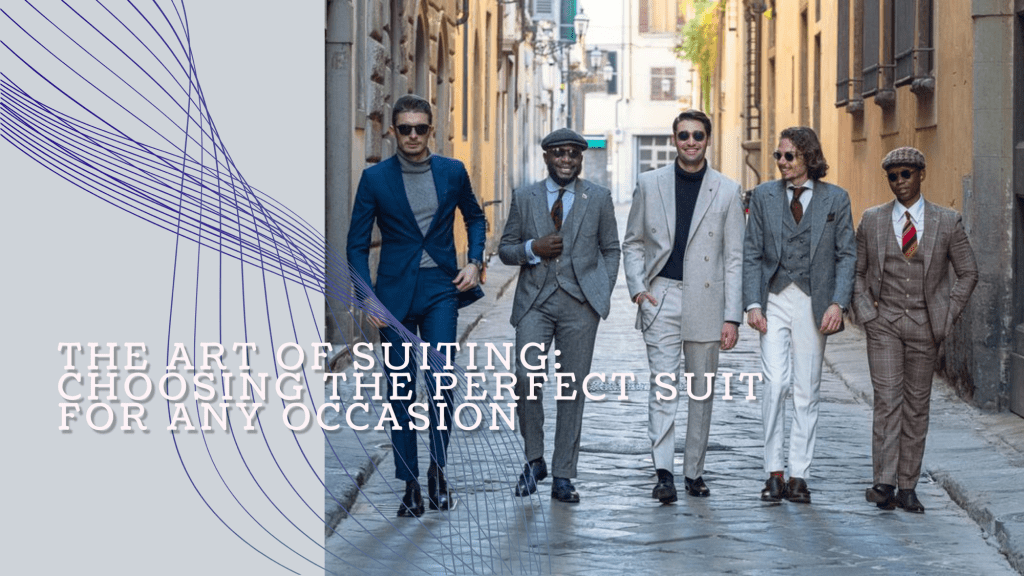
    The Art of Suiting: Choosing the Perfect Suit for Any Occasion

    When it comes to suiting, the choices you make go far beyond simply picking a jacket and trousers. Your suit speaks volumes about your personality, attention to detail, and understanding of style. The right suit can transform your appearance, boosting your confidence and making a lasting impression, whether you’re in a business meeting, attending a wedding, or enjoying a casual gathering. But how do you choose the perfect suit for every occasion? Let’s dive into some basic rules and guidelines that will help you navigate the world of suiting with ease and sophistication.

    Basic Rules & Guidelines for Picking the Right Suit

    Understand the Occasion: The first step in choosing the right suit is understanding the event you’re dressing for. Is it a formal black-tie event, a business meeting, or a casual outing? The level of formality dictates not only the suit type but also the fabric, color, and accessories.

    Choose the Right Fit: No matter how expensive or stylish a suit is, it won’t look good if it doesn’t fit properly. Ensure that the shoulders of the jacket align with your own, the trousers break just above your shoes, and the suit contours your body without being too tight or too loose. A well-fitted suit enhances your physique and gives you a polished appearance.

    Opt for Timeless Colors: For most occasions, you can’t go wrong with classic colors like navy, charcoal, and black. These colors are versatile and suitable for almost any event. For less formal occasions, you can experiment with lighter shades like grey or beige.

    Pay Attention to Fabric: The fabric of your suit should align with the season and the occasion. Wool is a great all-rounder, offering durability and comfort. For summer events, consider lightweight fabrics like linen or cotton. Velvet and tweed can add texture and warmth for winter occasions.

    Consider the Details: The little things matter. Lapels, buttons, pockets, and the type of stitching can all affect the suit’s overall look. Peak lapels, for instance, are more formal, while notched lapels are versatile and classic. Pay attention to these details to ensure your suit fits the occasion.

    Accessorize Thoughtfully: Accessories can elevate your suit to another level. Ties, pocket squares, cufflinks, and watches should complement your suit without overpowering it. For formal events, keep accessories sleek and understated. For more casual settings, you can introduce a bit of flair with bolder patterns or colors.

    Shoes Matter: The right pair of shoes can make or break your outfit. For formal occasions, polished oxfords or derbies in black or brown are ideal. Loafers can be a good choice for business casual or smart casual events. Ensure your shoes are well-maintained, as scuffed or worn shoes can detract from even the best suit.

    Weaving in the Occasions

    Now that we have a solid understanding of the basic rules, let’s explore how to apply them across different occasions through storytelling and practical advice.

    Formal Occasions: The Classic Black-Tie Event

    Imagine you’ve just received an invitation to a black-tie gala. The dress code is strict, and first impressions are crucial. This is the time to reach for a tuxedo, preferably in classic black or midnight blue. Your jacket should feature satin or grosgrain lapels, paired with matching trousers that have a satin stripe down the side. A crisp white dress shirt with a pleated front, a black bow tie, and polished patent leather shoes complete the look. This ensemble exudes sophistication and commands attention, ensuring you’ll fit in perfectly with the evening’s elegant atmosphere.

    Semi-Formal Occasions: The Daytime Wedding

    Daytime weddings offer a bit more flexibility, but they still require a level of formality. A three-piece suit in a light grey or pastel blue is an excellent choice for a summer wedding. The waistcoat adds a layer of formality while still being appropriate for a daytime event. Pair this with a white or light blue shirt, a tie that complements the suit, and brown leather shoes. This outfit strikes the perfect balance between formal and approachable, allowing you to celebrate the occasion with style and grace.

    Business Formal: The Important Client Meeting

    In the corporate world, your appearance can be a silent signal of your professionalism. For an important client meeting, a dark grey or navy two-piece suit is your go-to. These colors project authority and reliability. Pair the suit with a crisp white or light blue shirt and a conservative tie—perhaps in a solid color or subtle pattern. Black oxford shoes should be polished to perfection. As you walk into the room, your attire communicates that you are serious, competent, and ready to deliver results.

    Business Casual: The Office Wear

    On days when the dress code is relaxed but you still want to maintain a professional appearance, an unstructured blazer paired with chinos strikes the right chord. Opt for a navy or light grey blazer with khaki or olive chinos. Skip the tie and choose a casual button-down shirt instead. Loafers or brogues in brown leather keep the look polished but comfortable. This ensemble is perfect for a day at the office when you need to balance professionalism with comfort.

    Casual Occasions: The Weekend Garden Party

    Casual social gatherings, such as a garden party, allow for more relaxed attire. A linen suit in beige or soft blue keeps you cool and stylish in the summer heat. Pair it with a light shirt—consider a pastel or subtle print—and loafers or espadrilles. This outfit is laid-back yet refined, perfect for mingling outdoors while looking effortlessly stylish.

    Bringing It All Together: The Continuous Journey

    Building a wardrobe that covers all these occasions is not a task to be completed overnight. It’s a journey, one that evolves as your personal style and lifestyle change. Start with the basics: a well-fitted dark suit for formal and business occasions, and a versatile blazer for semi-formal and casual events. Over time, add pieces that reflect your personality and cater to specific needs, such as a tuxedo for black-tie events or a linen suit for summer weddings.

    Remember, suiting is not just about looking good—it’s about feeling good too. When you dress well, you carry yourself differently, with more confidence and poise. Each suit you add to your wardrobe should be a reflection of your commitment to presenting the best version of yourself, whether you’re closing a business deal, celebrating a milestone, or simply enjoying a casual outing.

    Conclusion: The Art of Suiting

    The art of suiting lies in the details—the fabric, the fit, the color, and the accessories. By understanding the principles of suiting and applying them to various occasions, you can build a wardrobe that is both functional and stylish. Your suit is more than just clothing; it’s an extension of your identity, a statement of your values, and a key to unlocking opportunities. So, whether you’re donning a tuxedo for a black-tie event or a blazer for a casual outing, wear it with confidence, knowing that you’re dressed for success.

  • Transform Your Look: Simple and Affordable Tailoring Adjustments for Off-the-Rack Suits

    Transform Your Look: Simple and Affordable Tailoring Adjustments for Off-the-Rack Suits

    When it comes to looking your best in a suit, fit is everything. Even the most expensive, stylish suit can look mediocre if it doesn’t fit well. Conversely, a moderately priced off-the-rack suit can look exceptional with a few simple and inexpensive tailoring adjustments. In this article, we’ll explore some key alterations every tailor can make to enhance the fit and appearance of your suit and discuss why these adjustments are crucial for making a lasting impression.

    What to Look for in an Off-the-Rack Suit

    Before even considering alterations, it’s essential to choose an off-the-rack suit that serves as a good starting point. Here are a few key aspects to focus on:

    Shoulder Fit

    The shoulders are the most challenging part of a suit to alter. Ensure that the jacket fits well across your shoulders without any sagging or tightness. The seam should align perfectly with the edge of your shoulder.

    Jacket Length
    Just right – too short – too long

    The bottom of the jacket should cover your buttocks and the top of your thighs. This length is generally flattering and aligns with traditional suit proportions.

    Sleeve Length

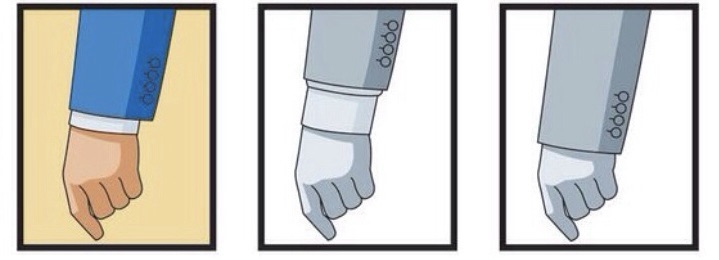
    Look for a jacket with sleeves that end at your wrist bone, allowing a bit of your shirt cuff to show. While sleeves can be adjusted, starting with the right length minimizes alterations.

    Trouser Fit

    Choose trousers that fit well around the waist and hips. Ensure there is enough fabric at the hem and waist to allow for adjustments if necessary. Buying suit separates comes in handy, if you have a strong mismatch in jacket and trousers sizes.

    Fabric Quality

    Opt for high-quality fabric, such as wool or wool blends. Wool suits are categorized by their Super numbers (e.g., Super 120s), which indicate the fineness of the wool fibers. For instance, Super 120s wool is made from finer fibers, making the fabric smooth and soft, yet durable. Higher Super numbers, like Super 150s or Super 180s, are even finer and softer but might be less durable and more expensive. For everyday use, Super 100s to Super 120s wool is a good balance of quality, comfort, and durability.

    Key Adjustments to Consider
    Shortening the Sleeves
    Correct length – too short – too long

    Why It Matters: Sleeve length is one of the most noticeable aspects of a suit’s fit. Ideally, your shirt cuffs should be visible by about half an inch when your arms are at your sides.

    Adjustment: A tailor can easily shorten or lengthen the sleeves to achieve this perfect length, making your suit look much more polished. This adjustment is typically straightforward and cost-effective.

    Taking in the Sides

    Why It Matters: A suit jacket that fits well around the torso flatters your body shape and avoids the boxy look.

    Adjustment: Tailors can take in the sides of the jacket to create a more fitted silhouette. This involves slimming down the jacket around the waist and sides, enhancing your natural shape and making the suit look bespoke. This adjustment is often done in combination with adjusting the back seams for a balanced fit.

    Adjusting the Trouser Length
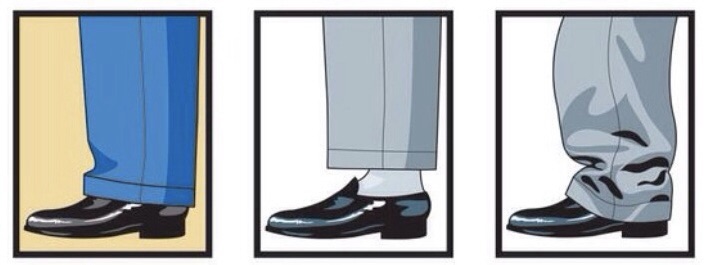
    Correct length – more casual variant – too long

    Why It Matters: Trousers that are too long or too short can ruin the overall look of a suit. The perfect length ensures a clean, sharp appearance.

    Adjustment: Tailors can hem the trousers to the correct length, whether you prefer a slight break or no break at all. Properly hemmed trousers should just graze the top of your shoes, creating a clean line. Additionally, consider tapering the trousers for a more modern and tailored look.

    Nipping the Waist

    Why It Matters: A well-defined waistline can make a significant difference in how the suit drapes on your body, providing a more tailored and sophisticated look.

    Adjustment: Tailors can take in the waist of both the jacket and trousers, ensuring they fit snugly without being too tight. This adjustment helps in highlighting your physique and ensuring the suit looks fitted rather than off-the-rack. It can involve adjusting the darts and side seams for a more contoured fit.

    Shoulder Adjustments

    Why It Matters: The shoulders are the backbone of a suit jacket’s fit. Poorly fitted shoulders can make the entire suit look sloppy.

    Adjustment: While more complex and sometimes pricier, adjusting the shoulders can significantly improve the overall fit. This involves adjusting the padding or the seam, making the jacket sit perfectly on your frame and aligning with your natural shoulder line. This is an adjustment best reserved for experienced tailors due to its complexity.

    Why Tailoring Your Suit is Essential

    Off-the-rack suits are designed to fit a generic body shape, but everyone’s body is unique. Tailoring adjusts the suit to fit your specific measurements, ensuring comfort and enhancing your natural features. A tailored suit communicates that you care about your appearance and are willing to invest in looking your best, which can positively influence how others perceive you in professional and social settings.

    Conclusion

    Investing in a few simple, affordable tailoring adjustments can transform an off-the-rack suit into a perfectly fitted ensemble that enhances your appearance and boosts your confidence. Whether it’s adjusting the sleeves, taking in the sides, or hemming the trousers, these changes make a significant difference in how you look and feel. Remember, the perfect fit is key to making a strong impression, so don’t underestimate the power of tailoring. Next time you purchase an off-the-rack suit, take the extra step to have it tailored to your body—it’s a small investment with a big payoff.

  • What type of suit should you get

    What type of suit should you get

    What different types are there

    There are three different main categories when it comes to suits. The most affordable ones, ready-to-wear or off the rack. This is your typical Hugo Boss, Joop! or MassimoDutti suit. Suitsupply also has ready to wear suits with much nicer fabric than the first two in the list.

    Next price range are the made to measure suits, where most part of the suit is pre-produced and will then be modified to fit your real measurements. Once again an example would be suitsupply.

    The there are bespoke suit, completely custom/ handmade to your stature. Those will be the most expensive ones, made by real experts.

    So let’s give you a in-depth breakdown of the main categories below.

    Ready-to-Wear (RTW)
    Description:
    • Ready-to-wear suits are pre-manufactured in standard sizes and are available for purchase off the rack in retail stores.
    Characteristics:
    • Available in a wide range of styles, fabrics, and sizes.
    • Immediate purchase and wear, with minimal wait time.
    Benefits:
    • Convenience: Easily accessible and can be tried on and purchased the same day.•
    • Trendy: Often follow current fashion trends and are updated regularly.
    • Cost-Effective: Generally more affordable than made-to-measure and bespoke suits.
    Drawbacks:
    • Fit: May not fit as perfectly as tailored options, requiring alterations.
    • Limited Customization: Limited options for fabric, design, and details.
    Made-to-Measure (MTM)
    Description:
    • Made-to-measure suits are created from an existing pattern that is adjusted to the customer’s measurements.
    Characteristics:
    • Semi-custom: Uses pre-existing templates adjusted to fit the individual.
    • Requires a fitting session where measurements are taken, and preferences are discussed
    Benefits:
    • Better Fit: More personalized fit than RTW, as adjustments are made to suit the individual’s body shape.
    • Customization: Offers choices in fabric, color, and some design elements (e.g., lapels, pockets, buttons).
    Drawbacks:
    • Time: Typically takes a few weeks to produce, as adjustments and customizations are made.
    • Cost: More expensive than RTW but usually less costly than bespoke.
    Bespoke
    Description:
    • Bespoke suits are entirely custom-made from scratch, based on the customer’s exact measurements and specifications.
    Characteristics:
    • Fully custom: No pre-existing patterns are used; everything is designed from the ground up for the individual.
    • Multiple fittings are usually required to ensure the perfect fit.
    Benefits:
    • Perfect Fit: The highest level of fit precision and comfort, tailored specifically to the individual.
    • Unlimited Customization: Full control over every aspect of the suit, from fabric and linings to buttons and stitch details.
    • Unique: Each suit is unique and can be designed to reflect personal style and preferences
    Drawbacks:
    • Cost: The most expensive option due to the extensive labor and high-quality materials involved.
    • Time: Takes the longest to produce, often several weeks to a few months, depending on complexity and tailor availability.
    Comparison Summary

    • Ready-to-Wear: Best for those who need a suit quickly, prefer cost-effective options, and are okay with standard fits.

    • Made-to-Measure: Ideal for individuals looking for a better fit and some level of customization without the higher cost of bespoke.

    • Bespoke: Perfect for those who desire the utmost in fit, personalization, and quality, and are willing to invest time and money.

    By understanding these differences, you can make an informed decision on the type of suit that best fits your needs, preferences, and budget.