Tag: menswear

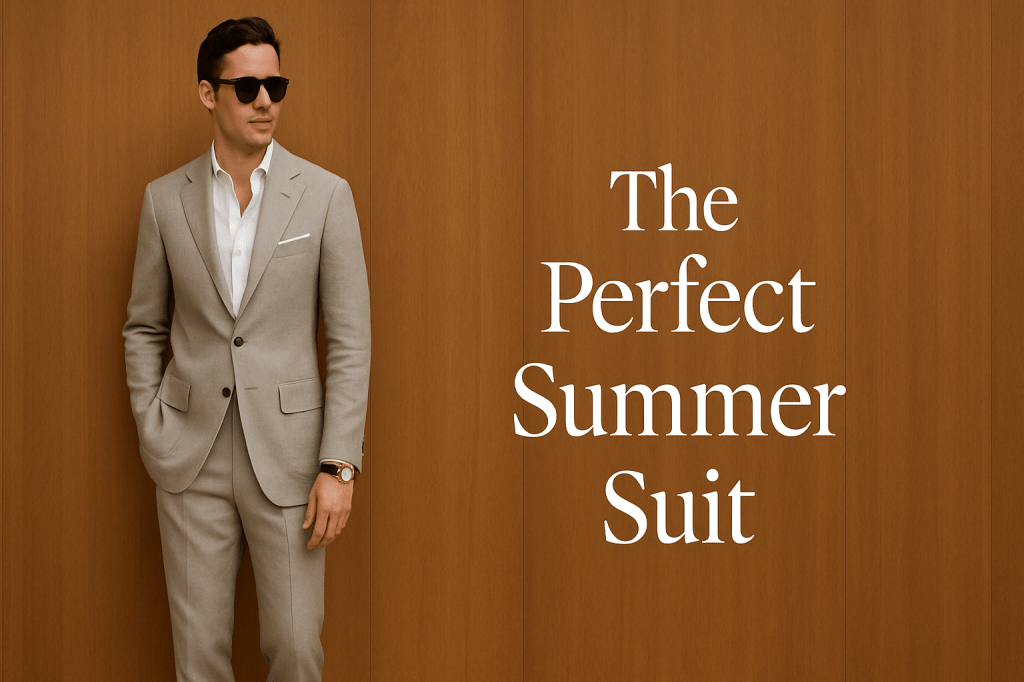
  • The Perfect Summer Suit: A Timeless Essential for Every Capsule Wardrobe

    The Perfect Summer Suit: A Timeless Essential for Every Capsule Wardrobe

    There’s a particular kind of magic to the perfect summer suit. It’s the sartorial equivalent of sprezzatura — effortless elegance that whispers instead of shouts. As a seasoned men’s fashion expert who travels to Pitti Uomo twice a year, I’ve seen everything from the wildest peacocks to the purest expressions of timeless tailoring. And amidst the evolving trends, one truth remains: a well-chosen summer suit, especially in the relaxed yet refined Italian style, belongs in every man’s capsule wardrobe.

    Minimalism doesn’t mean deprivation; it means intentionality. And the summer suit, when chosen well, is the ultimate intentional piece — versatile, lightweight, and able to adapt to the rhythm of modern life. Whether you’re navigating meetings in a sun-drenched office, attending a summer wedding, enjoying a dinner date, or sipping a Negroni at a backyard BBQ, the right summer suit can rise to the occasion.

    Why Every Capsule Wardrobe Needs a Summer Suit

    The idea behind a capsule wardrobe is simple: own less, wear more. Each piece must pull its weight across various settings. A thoughtfully selected summer suit does just that. Unlike its structured, wool-heavy winter counterparts, a summer suit is about fluidity, ease, and breathability. It bridges the space between formality and comfort, offering a polished yet relaxed aesthetic that doesn’t wilt under the sun.

    When you invest in a suit you can wear as separates or as a whole, you’re unlocking a dozen outfits in one go. This is not about fashion. It’s about style — that rare quality that persists when trends fade. And nothing defines timeless style like Italian tailoring adapted for warm weather.

    From Office to Occasion: The Suit That Works Everywhere

    One of the most compelling arguments for the summer suit is its versatility. Here’s how it works for every setting on your calendar:

    Office:

    Pair it with a crisp white poplin shirt and a pair of suede loafers. Skip the tie for a smart-casual take or add a lightweight silk knit tie for meetings that demand presence.

    Summer Wedding:

    Go full sprezzatura. Add a linen pocket square, sleek leather derbies, and a soft chambray shirt. You’ll look dressed up without feeling overdressed.

    Date Night:

    Ditch the dress shirt in favor of a fitted linen or polo shirt in a soft neutral tone. Unbutton the jacket, roll up your sleeves ever so slightly, and let your demeanor do the rest.

    Backyard BBQ or Garden Party:

    Break it up. Throw the jacket over a crewneck tee, and wear the trousers with leather sandals or canvas sneakers. You’ll look pulled together without trying too hard.

    Choosing the Right Suit: Fit, Fabric, Style, and Color

    The success of a summer suit lies in its details. Let’s break down how to choose the right one:

    Fit

    Forget the stiff, hyper-tailored silhouettes of the 2010s. Summer tailoring should follow your body, not cling to it. Look for a jacket with unstructured or lightly padded shoulders, allowing for natural movement. The trousers should be slim but breathable, ideally with side adjusters for a clean waistline. Think of comfort as a form of confidence — when your suit fits well, it feels like a second skin.

    Fabric

    This is non-negotiable. The wrong fabric will sabotage even the best cut. Look for lightweight, breathable materials like:

    Linen: Classic, slightly rumpled charm that screams summer in Tuscany.

    Cotton Twill: Crisp and durable, great for structured-yet-relaxed looks.

    Tropical Wool: Surprisingly breathable and wrinkle-resistant — a smart choice for city wear.

    Blends (Linen-Cotton, Wool-Silk): Offer the best of both worlds — cooling properties and a superior drape.

    Personally, I gravitate toward high-twist tropical wool for its versatility and elegance. It travels well and holds its shape even after a long day.

    Style

    This is where Italian tailoring shines. Go for a single-breasted jacket, ideally with two buttons, double vents, and patch pockets. The double vent helps with airflow and adds a rakish charm from behind. Patch pockets, meanwhile, keep things relaxed — less boardroom, more Riviera.

    Unlined or half-lined construction is crucial. You don’t want to be weighed down. Let the jacket breathe.

    The lapel should be soft and slightly wider than average — think Neapolitan flair, not banker’s boardroom.

    Color

    Here’s where most men make a mistake. Avoid anything too loud or too dark. Summer is about lightness — opt for:

    Stone or Sand: The ultimate warm-weather neutral.

    Light Grey: Clean, modern, and easy to pair with almost anything.

    Olive or Sage: A refined way to stand out without shouting.

    Dusty Blue or Airforce Blue: A softer take on navy that suits all skin tones.

    Skip pinstripes or anything high-contrast. Instead, embrace subtle texture — like a herringbone weave or slubbed linen — for visual interest that doesn’t overpower.

    The Case for Less Formal: Sprezzatura in Action

    Formal suiting has its place, but summer calls for something more lived-in. The beauty of Italian style is that it never tries too hard. Patch pockets, soft shoulders, and natural materials combine to create a look that’s elegant without being fussy.

    The less formal summer suit projects quiet confidence. It says: I know how to dress well, but I don’t need to prove it. That’s sprezzatura. It’s the key to looking polished without appearing stiff — a must for today’s busy professional who moves fluidly between work and life.

    And it’s not just about appearances. This style is functional. You stay cool, you feel unrestricted, and you look great without having to constantly adjust or fuss. That, my friend, is the point.

    Styling Tips: Do More with Less

    Mix & Match: Wear the jacket with white jeans or chinos. Pair the trousers with a navy polo. That’s two extra outfits instantly.

    Keep Accessories Light: A linen pocket square, a simple braided belt, and a pair of tortoiseshell sunglasses are more than enough.

    Footwear: Loafers, espadrilles, or minimalist leather sneakers cover all occasions.

    Grooming & Posture: No summer suit looks good without confidence and self-respect. Keep your grooming clean, stand tall, and let the tailoring do the talking.

    Final Thoughts: The Summer Suit, Simplified

    A well-chosen summer suit is more than just a garment — it’s a mindset. It speaks of a man who values quality over quantity, elegance over extravagance, and function over flash. It proves that minimalism, when executed with taste, doesn’t restrict — it liberates.

    So if your capsule wardrobe is missing this warm-weather essential, consider this your invitation. Invest in one. Wear it often. Let it age with you, adapt with you, and most of all— let it remind you that style, like summer, is best when enjoyed lightly.
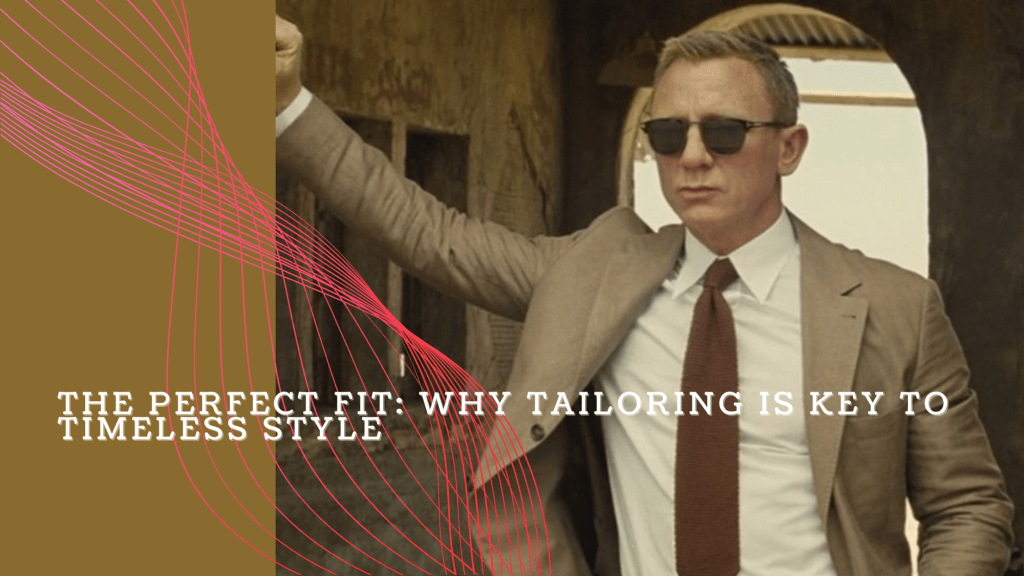
  • The Perfect Fit: Why Tailoring is Key to Timeless Style

    The Perfect Fit: Why Tailoring is Key to Timeless Style

    Picture this: You’re standing in front of the mirror, ready for an important meeting or special occasion. You’ve picked a beautiful blazer or a sharp pair of slacks that seemed perfect in the store, but something feels off. The jacket’s a bit boxy, the sleeves are too long, and your trousers don’t break quite right at the ankle. Despite the effort, it just doesn’t look… right.

    Now, imagine that same outfit, but this time, the jacket hugs your shoulders perfectly, subtly tapering at the waist to create a sleek V-shape. The sleeves end just at the wrist, allowing a hint of shirt cuff to peek out, and your pants fit so well that they look like they were custom-made for you. Suddenly, you’re not just wearing clothes—you’re owning them. This is the magic of tailoring.

    When it comes to achieving timeless style, the perfect fit is everything. It’s not about following trends or wearing the latest labels; it’s about wearing clothes that make you feel confident, comfortable, and undeniably you. And the good news? Tailoring makes that look effortless—without breaking the bank.

    The Power of Fit: Transforming Your Look

    Style is often thought of as a visual statement, but it’s so much more than that. When your clothes fit like they were made for you, they don’t just look better—they make you feel better. A tailored jacket or a perfectly hemmed pair of pants can give you a sense of control, authority, and confidence that radiates into everything you do.

    When I was younger, I used to think that the secret to looking stylish was buying expensive clothes. I’d spend more than I should on designer brands, only to feel underwhelmed when I wore them. Then I discovered tailoring, and everything changed. Suddenly, those same clothes that once felt “meh” made me look polished and put together. I learned that tailoring isn’t just about adjusting fabric—it’s about shaping confidence. And it turns out, when you feel good, you make everything around you look effortless.

    Tailoring vs. Off-the-Rack: Why It Matters

    Off-the-rack clothing is designed to fit as many body types as possible, which means it fits no one perfectly. Whether it’s a shirt that’s too loose in the torso or pants that are too long, the issue is often not the clothing itself, but the fit. This is where tailoring steps in.

    When you tailor a piece, you take something that was made for everyone and transform it into something made for you. It’s a small but powerful change—one that makes a world of difference in how you carry yourself. You’re no longer adjusting your movements to accommodate your clothing; your clothing is working with you, moving with ease, letting you focus on what matters most.

    Cost-Efficient Tailoring Options for Key Wardrobe Pieces

    You might think tailoring is only for bespoke suits or high-end garments, but affordable alterations can take your everyday items—your suit jackets, chinos, and even t-shirts—to the next level. Here’s how you can tailor your off-the-rack pieces to look and feel custom-made, without spending a fortune:

    Suit Jackets and Blazers:
    • Tucking in the sides: By slimming the sides of a jacket, you can create that sharp V-shaped look that immediately makes you appear more athletic and polished. This is a simple alteration that transforms a boxy fit into something much sleeker.
    • Shortening the sleeves: Often, sleeves on off-the-rack jackets are too long. Tailors can shorten them so that just a hint of shirt cuff is visible, a subtle detail that exudes refinement.
    Slacks and Chinos:
    • Hemming the legs: The length of your pants can make or break your look. Hemming them to the right length (whether you prefer no break or a slight break) ensures your trousers fall cleanly and complement your shoes.
    • Tucking in the waist: Adjusting the waist ensures that your pants sit comfortably without sagging or requiring a belt to hold them up.
    • Adding side adjusters: For a sleeker look, especially with dress pants, adding side adjusters eliminates the need for a belt, creating a cleaner silhouette.
    Shirts and T-shirts:

    Tucking in the sides: Whether it’s a dress shirt or even a t-shirt, tailoring the sides can eliminate extra fabric around the waist and torso, giving you a more streamlined, flattering fit.

    Finding the Right Tailor: What to Look For

    Not all tailors are created equal, so it’s important to find one that understands your body type and personal style. A good tailor doesn’t just follow instructions; they should offer advice on what alterations will suit you best. Look for someone who communicates well, offers reasonable prices, and can make minor adjustments quickly. Starting with small alterations (like hemming pants) is a great way to test their skills before moving on to more complex tailoring.

    Building a Wardrobe Around Tailoring

    Once you’ve seen the transformative power of tailoring, you’ll want to start building your wardrobe with this in mind. Invest in classic, versatile pieces that you can tailor to perfection. A well-fitted blazer, a tailored trench coat, or a perfect pair of dress pants can be worn across multiple occasions and seasons, and with proper care, they’ll last you for years. These aren’t just clothes—they’re timeless investments in your personal style.

    Tailoring for Every Body Type

    It’s important to remember that tailoring isn’t just for formal wear or certain body types. Whether you’re tall, short, slim, or curvy, tailoring can make your clothes fit better, feel better, and look better. You don’t need to have a model’s body to look incredible in tailored clothing—because it’s the tailoring itself that makes the body look its best.

    Investing in Timeless Pieces

    In a world full of fast fashion, it’s tempting to chase trends. But true, effortless style comes from investing in timeless, high-quality pieces that can be worn for years. When you combine quality with proper tailoring, you create a wardrobe that transcends fleeting fads, keeping you looking sharp and stylish no matter the occasion.

    The Effortless Impact of Tailoring

    Tailoring is the secret to effortless style. It’s not about buying more clothes or following every trend—it’s about making the clothes you already have fit like they were made just for you. With a few simple, cost-effective alterations, you can take off-the-rack pieces and transform them into a wardrobe of timeless classics that reflect your personal style.

    The next time you look in the mirror and feel something’s missing from your outfit, consider tailoring. Because when your clothes fit perfectly, everything else falls into place—and you’ll find that looking your best feels completely effortless.

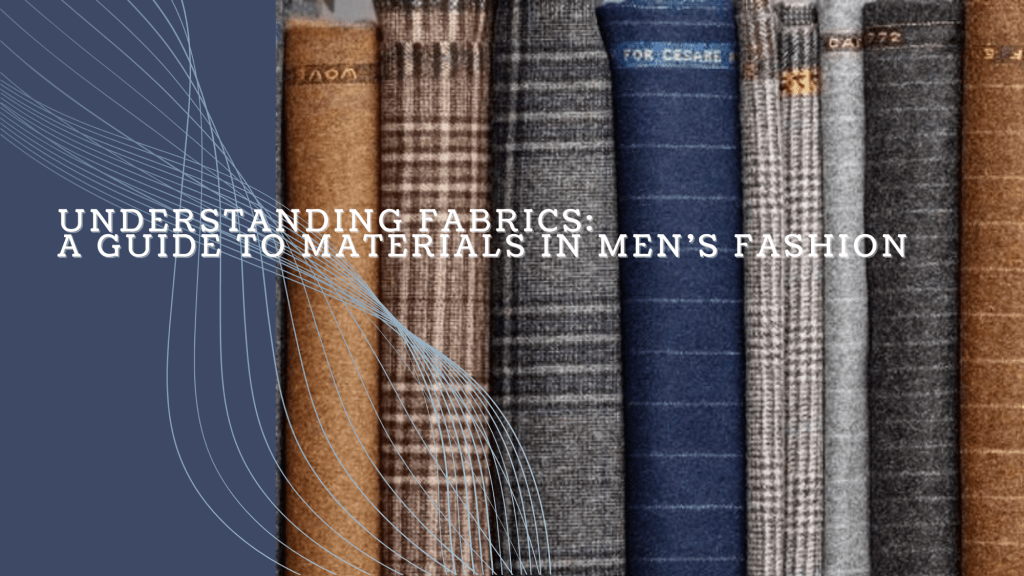
  • Understanding Fabrics: A Guide to Materials in Men’s Fashion

    Understanding Fabrics: A Guide to Materials in Men’s Fashion

    When it comes to men’s fashion, fabric choice is just as important as fit and style. Different materials offer varying levels of comfort, durability, and style. Whether you’re dressing up in a suit or relaxing in chinos, understanding the fabrics you wear will help you choose the best options for different seasons and occasions. This guide covers the most common pieces in a man’s wardrobe—from suits and dress shirts to polo shirts and outerwear—and helps you pick the right fabric for every scenario.

    1. Suits

    The suit is a wardrobe staple for the modern man, and the fabric you choose can make all the difference in how the suit looks and feels. Common fabrics for suits include:

    • Wool: The most popular fabric for suits, wool is a versatile material that can be worn year-round. It’s breathable, durable, and has natural stretch. For summer, look for lightweight wool, while heavier wool is great for winter.
    • Linen: Ideal for summer, linen is a lightweight and breathable fabric that helps keep you cool. It does wrinkle easily, but this adds to its relaxed, casual aesthetic.
    • Seersucker: Another summer favorite, seersucker has a puckered texture that promotes airflow and keeps you cool. Its distinct pattern makes it perfect for warm-weather events.
    • Cotton: Cotton suits are great for a more casual look and offer a middle ground between linen and wool. They’re comfortable and breathable but can wrinkle easily.
    2. Slacks and Chinos

    Slacks and chinos are go-to options for both casual and business casual wear.

    • Wool: Wool slacks are a classic choice for formal occasions or business settings. Worsted wool is a good all-season option, while flannel wool is warmer for winter.
    • Cotton Twill: Chinos are often made from cotton twill, which is a durable and breathable fabric. Heavier cotton is great for colder weather, while lightweight cotton is perfect for summer.
    • Stretch Cotton: Many modern chinos incorporate a small percentage of elastane or spandex for added stretch and comfort.
    3. Blazers & Sports Coats

    Blazers and sports coats come in a variety of fabrics, each suited for different seasons and occasions.

    • Wool & Wool Blends: Wool is a popular fabric for blazers because it’s versatile, breathable, and durable. Wool blends (often mixed with polyester or silk) can offer a more relaxed feel while retaining wool’s elegance.
    • Tweed: A type of wool with a rougher texture, tweed is perfect for colder months. It’s heavier and more insulating, making it great for fall and winter.
    • Houndstooth & Herringbone: These are specific weaving patterns often used in wool or wool blends. They offer a sophisticated texture and are typically worn in cooler months.
    • Linen: For summer blazers, linen is ideal due to its lightweight and breathable nature.
    4. Polo Shirts

    Polo shirts are a casual essential, often seen in warmer months.

    • Pique Cotton: Pique cotton is known for its textured weave and breathability. It’s the most common material used for polo shirts and is perfect for warm weather.
    • Jersey Cotton: Softer and more flexible than pique, jersey cotton offers a smooth finish and is comfortable for casual wear. It’s also more lightweight.
    • Merino Wool: While wool might seem unusual for a polo, merino wool is breathable and temperature-regulating, making it a great option for spring and fall polos.
    5. Dress Shirts & Oxford Button-Downs

    Dress shirts are a must for any professional wardrobe, and fabric plays a huge role in comfort and appearance.

    • Poplin: This tightly woven cotton fabric is smooth and lightweight, making it perfect for dress shirts in the spring and summer. It has a crisp feel and holds its shape well.
    • Oxford Cloth: Oxford cloth has a basketweave structure that makes it thicker and more durable than poplin. It’s often used in button-down shirts and works well in casual or business casual settings.
    • Broadcloth: Similar to poplin but with a more formal appearance, broadcloth is soft and has a subtle sheen, making it a great option for dressier occasions.
    • Flannel: A warmer option for colder months, flannel shirts are made from cotton or wool and have a soft, brushed texture.
    6. Outerwear

    Outerwear is all about balancing style and functionality, and the fabric you choose should depend on the season and your personal style.

    • Wool Coats & Peacoats: Wool is a classic fabric for outerwear because it’s warm, durable, and naturally water-resistant. Peacoats, often made from thick wool, are ideal for winter months.
    • Safari Jackets: Traditionally made from cotton, safari jackets are lightweight and perfect for spring and summer. Modern versions may incorporate linen for extra breathability.
    • Cashmere: Known for its softness and luxurious feel, cashmere is a high-end wool that’s perfect for lightweight but warm coats. It’s ideal for transitional seasons.
    • Nylon & Polyester: Common in technical jackets, these synthetic materials are lightweight, water-resistant, and durable, making them ideal for raincoats and windbreakers.
    Choosing Fabrics for Different Seasons

    When selecting fabrics, it’s important to think about both the material itself and the weaving structure. Here are some seasonal tips:

    • Spring/Summer: Opt for lightweight and breathable fabrics like linen, cotton, and seersucker. Open weaves and lighter colors help keep you cool.
    • Fall/Winter: Look for heavier fabrics like wool, flannel, and tweed to provide warmth and insulation. Tight weaves and darker colors work best in cooler months.
    • All-Season: Fabrics like merino wool, cotton, and lightweight wool can transition well between seasons. These materials regulate temperature effectively and are comfortable in both warm and cool weather.
    Conclusion

    Understanding fabrics can take your wardrobe to the next level. Choosing the right material not only ensures you look sharp but also keeps you comfortable throughout the day. Whether you’re suiting up for a formal event or dressing down for a casual outing, knowing which fabrics work best for each situation will elevate your style game. Keep these tips in mind as you build a versatile, stylish wardrobe suited for every season.

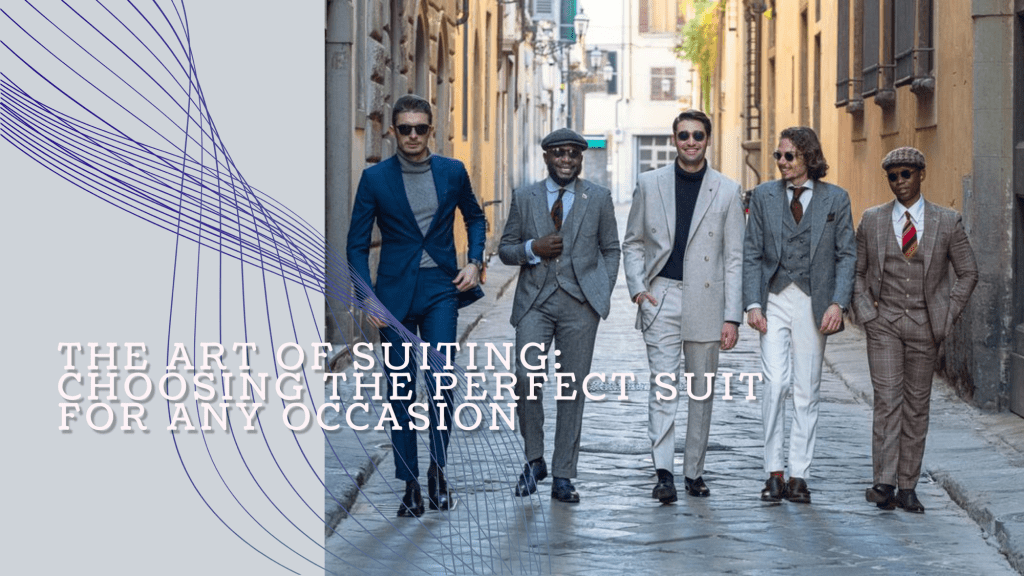
  • The Art of Suiting: Choosing the Perfect Suit for Any Occasion

    The Art of Suiting: Choosing the Perfect Suit for Any Occasion

    When it comes to suiting, the choices you make go far beyond simply picking a jacket and trousers. Your suit speaks volumes about your personality, attention to detail, and understanding of style. The right suit can transform your appearance, boosting your confidence and making a lasting impression, whether you’re in a business meeting, attending a wedding, or enjoying a casual gathering. But how do you choose the perfect suit for every occasion? Let’s dive into some basic rules and guidelines that will help you navigate the world of suiting with ease and sophistication.

    Basic Rules & Guidelines for Picking the Right Suit

    Understand the Occasion: The first step in choosing the right suit is understanding the event you’re dressing for. Is it a formal black-tie event, a business meeting, or a casual outing? The level of formality dictates not only the suit type but also the fabric, color, and accessories.

    Choose the Right Fit: No matter how expensive or stylish a suit is, it won’t look good if it doesn’t fit properly. Ensure that the shoulders of the jacket align with your own, the trousers break just above your shoes, and the suit contours your body without being too tight or too loose. A well-fitted suit enhances your physique and gives you a polished appearance.

    Opt for Timeless Colors: For most occasions, you can’t go wrong with classic colors like navy, charcoal, and black. These colors are versatile and suitable for almost any event. For less formal occasions, you can experiment with lighter shades like grey or beige.

    Pay Attention to Fabric: The fabric of your suit should align with the season and the occasion. Wool is a great all-rounder, offering durability and comfort. For summer events, consider lightweight fabrics like linen or cotton. Velvet and tweed can add texture and warmth for winter occasions.

    Consider the Details: The little things matter. Lapels, buttons, pockets, and the type of stitching can all affect the suit’s overall look. Peak lapels, for instance, are more formal, while notched lapels are versatile and classic. Pay attention to these details to ensure your suit fits the occasion.

    Accessorize Thoughtfully: Accessories can elevate your suit to another level. Ties, pocket squares, cufflinks, and watches should complement your suit without overpowering it. For formal events, keep accessories sleek and understated. For more casual settings, you can introduce a bit of flair with bolder patterns or colors.

    Shoes Matter: The right pair of shoes can make or break your outfit. For formal occasions, polished oxfords or derbies in black or brown are ideal. Loafers can be a good choice for business casual or smart casual events. Ensure your shoes are well-maintained, as scuffed or worn shoes can detract from even the best suit.

    Weaving in the Occasions

    Now that we have a solid understanding of the basic rules, let’s explore how to apply them across different occasions through storytelling and practical advice.

    Formal Occasions: The Classic Black-Tie Event

    Imagine you’ve just received an invitation to a black-tie gala. The dress code is strict, and first impressions are crucial. This is the time to reach for a tuxedo, preferably in classic black or midnight blue. Your jacket should feature satin or grosgrain lapels, paired with matching trousers that have a satin stripe down the side. A crisp white dress shirt with a pleated front, a black bow tie, and polished patent leather shoes complete the look. This ensemble exudes sophistication and commands attention, ensuring you’ll fit in perfectly with the evening’s elegant atmosphere.

    Semi-Formal Occasions: The Daytime Wedding

    Daytime weddings offer a bit more flexibility, but they still require a level of formality. A three-piece suit in a light grey or pastel blue is an excellent choice for a summer wedding. The waistcoat adds a layer of formality while still being appropriate for a daytime event. Pair this with a white or light blue shirt, a tie that complements the suit, and brown leather shoes. This outfit strikes the perfect balance between formal and approachable, allowing you to celebrate the occasion with style and grace.

    Business Formal: The Important Client Meeting

    In the corporate world, your appearance can be a silent signal of your professionalism. For an important client meeting, a dark grey or navy two-piece suit is your go-to. These colors project authority and reliability. Pair the suit with a crisp white or light blue shirt and a conservative tie—perhaps in a solid color or subtle pattern. Black oxford shoes should be polished to perfection. As you walk into the room, your attire communicates that you are serious, competent, and ready to deliver results.

    Business Casual: The Office Wear

    On days when the dress code is relaxed but you still want to maintain a professional appearance, an unstructured blazer paired with chinos strikes the right chord. Opt for a navy or light grey blazer with khaki or olive chinos. Skip the tie and choose a casual button-down shirt instead. Loafers or brogues in brown leather keep the look polished but comfortable. This ensemble is perfect for a day at the office when you need to balance professionalism with comfort.

    Casual Occasions: The Weekend Garden Party

    Casual social gatherings, such as a garden party, allow for more relaxed attire. A linen suit in beige or soft blue keeps you cool and stylish in the summer heat. Pair it with a light shirt—consider a pastel or subtle print—and loafers or espadrilles. This outfit is laid-back yet refined, perfect for mingling outdoors while looking effortlessly stylish.

    Bringing It All Together: The Continuous Journey

    Building a wardrobe that covers all these occasions is not a task to be completed overnight. It’s a journey, one that evolves as your personal style and lifestyle change. Start with the basics: a well-fitted dark suit for formal and business occasions, and a versatile blazer for semi-formal and casual events. Over time, add pieces that reflect your personality and cater to specific needs, such as a tuxedo for black-tie events or a linen suit for summer weddings.

    Remember, suiting is not just about looking good—it’s about feeling good too. When you dress well, you carry yourself differently, with more confidence and poise. Each suit you add to your wardrobe should be a reflection of your commitment to presenting the best version of yourself, whether you’re closing a business deal, celebrating a milestone, or simply enjoying a casual outing.

    Conclusion: The Art of Suiting

    The art of suiting lies in the details—the fabric, the fit, the color, and the accessories. By understanding the principles of suiting and applying them to various occasions, you can build a wardrobe that is both functional and stylish. Your suit is more than just clothing; it’s an extension of your identity, a statement of your values, and a key to unlocking opportunities. So, whether you’re donning a tuxedo for a black-tie event or a blazer for a casual outing, wear it with confidence, knowing that you’re dressed for success.

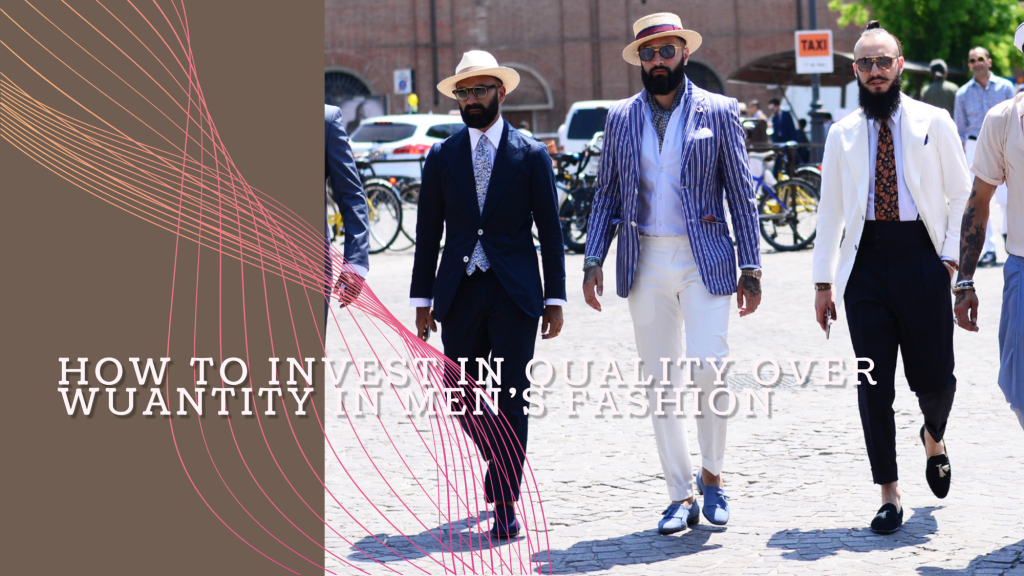
  • How to Invest in Quality over Quantity in Men’s Fashion

    How to Invest in Quality over Quantity in Men’s Fashion

    In today’s fast-paced world, the allure of constantly updating one’s wardrobe with the latest trends is stronger than ever. However, savvy dressers are increasingly recognizing the value of investing in quality pieces that stand the test of time. Prioritizing quality over quantity not only elevates your style but also contributes to a more sustainable and ethical fashion industry. This article delves into the concept of fast fashion, its disadvantages, the misconceptions surrounding well-known brand names, and the benefits of building a minimal, classical, and versatile capsule wardrobe with high-quality pieces from brands like Suitsupply and Pini Parma.

    Understanding Fast Fashion

    Fast fashion refers to a business model that mass-produces inexpensive clothing rapidly to keep up with the latest trends. Brands employing this model prioritize speed and low costs over quality and sustainability, enabling consumers to purchase trendy items at affordable prices.

    Characteristics of Fast Fashion
    • Rapid Production: New designs move quickly from the runway to stores, often within weeks.
    • Low Prices: Affordable pricing makes trendy clothing accessible to a wide audience.
    • Disposable Culture: Emphasis on short-term use, leading consumers to frequently update their wardrobes.
    • Trend-Driven: Focus on current trends rather than timeless styles.
    The Disadvantages of Fast Fashion
    The Disadvantages of Fast Fashion

    While fast fashion offers affordability and trendiness, it comes with significant drawbacks that affect not only consumers but also the environment and society at large.

    Environmental Impact
    • Resource Depletion: Massive water and energy consumption during production.
    • Pollution: Use of harmful chemicals and dyes contaminates water sources.
    • Waste Generation: High turnover rates lead to large amounts of textile waste in landfills.
    • Carbon Emissions: Transportation and production processes contribute significantly to greenhouse gas emissions.
    Ethical Concerns
    • Labor Exploitation: Poor working conditions and low wages in factories, often in developing countries.
    • Child Labor: Instances of underage workers being employed to cut costs.
    • Lack of Transparency: Difficulty in tracing supply chains and ensuring ethical practices.
    Quality Issues
    • Poor Durability: Low-quality materials and construction lead to garments that wear out quickly.
    • Fit and Comfort: Mass production often sacrifices proper fit and comfort.
    • Cost Inefficiency: Frequent replacements result in higher long-term costs compared to investing in quality pieces.
    The Misconception of Well-Known Brand Names

    It’s a common belief that renowned brands automatically guarantee superior quality. However, this is not always the case, as brand reputation doesn’t necessarily reflect the craftsmanship, materials, or ethical standards behind the products.

    Factors Affecting Quality
    • Manufacturing Location: Outsourcing production to countries with lax regulations can compromise quality and ethics.
    • Cost-Cutting Measures: Even luxury brands may use cheaper materials or processes to maximize profits.
    • Marketing Over Substance: Heavy investment in branding and advertising can overshadow product quality.
    • Inconsistent Standards: Variations in production batches and suppliers can lead to inconsistent quality.
    Being a Conscious Consumer
    • Research: Look into the brand’s production practices, material sourcing, and ethical standards.
    • Material Knowledge: Understand different fabrics and constructions to assess quality.
    • Reviews and Recommendations: Seek out customer feedback and expert opinions.
    • Price vs. Value: Evaluate whether the cost reflects genuine quality and durability.
    Exploring High-Quality Alternatives: Suitsupply and Pini Parma

    For those looking to invest in quality menswear, brands like Suitsupply and Pini Parma offer excellent options that combine superior craftsmanship, quality materials, and timeless style.

    Suitsupply
    • Quality Craftsmanship: Offers high-quality suits made with attention to detail and fine tailoring.
    • Premium Materials: Utilizes fabrics from renowned Italian mills, ensuring comfort and durability.
    • Affordability: Provides luxury-level quality at relatively accessible price points.
    • Versatile Styles: Features a range of classic and modern designs suitable for various occasions.
    • Transparency: Maintains transparent production practices and ethical standards.
    Pini Parma
    • Artisanal Excellence: Specializes in handcrafted garments with a focus on traditional Italian tailoring.
    • Exclusive Fabrics: Sources high-end materials that offer exceptional feel and longevity.
    • Timeless Elegance: Emphasizes classic styles that remain fashionable across seasons.
    • Customization: Offers made-to-measure services for perfect fit and personalization.
    • Sustainability: Commits to responsible production methods and sustainable practices.
    Building a Minimal, Classical, and Versatile Capsule Wardrobe

    A capsule wardrobe consists of a curated selection of essential, timeless pieces that can be mixed and matched to create various outfits. Investing in quality items for your capsule wardrobe ensures longevity, style, and versatility.

    Benefits of a Capsule Wardrobe
    • Simplifies Dressing: Reduces decision fatigue by having a cohesive selection of outfits.
    • Saves Money: Long-lasting pieces eliminate the need for frequent replacements.
    • Reduces Clutter: Minimizes wardrobe size, promoting organization and efficiency.
    • Enhances Personal Style: Focuses on pieces that reflect individual taste and suit various occasions.
    • Supports Sustainability: Decreases consumption and waste, contributing to environmental conservation.
    Essential Pieces to Include
    1. Classic Suit: A well-fitted suit in navy or charcoal grey for formal occasions.
    2. Tailored Blazer: Versatile for both formal and casual settings.
    3. Quality Dress Shirts: Neutral colors like white and light blue for maximum versatility.
    4. Dark Denim Jeans: Durable and adaptable for different looks.
    5. Chinos: Comfortable and stylish alternative to jeans.
    6. Cashmere Sweater: Adds sophistication and warmth.
    7. Leather Shoes: Oxfords or loafers in black or brown for various outfits.
    8. Outerwear: A classic trench coat or overcoat for style and functionality.
    9. Accessories: Quality belts, ties, and watches to complete ensembles.
    Tips for Building Your Capsule Wardrobe
    • Prioritize Fit: Ensure all pieces are tailored to your body for the best appearance.
    • Choose Neutral Colors: Allows for easy mixing and matching.
    • Focus on Quality Materials: Invest in fabrics that feel good and last long.
    • Consider Lifestyle Needs: Select items that suit your daily activities and professional requirements.
    • Update Mindfully: Introduce new pieces selectively to enhance and refresh your wardrobe.
    Conclusion

    Investing in quality over quantity in men’s fashion is a prudent choice that pays dividends in style, comfort, and sustainability. By understanding the pitfalls of fast fashion and the misconceptions surrounding brand names, you can make informed decisions that reflect your values and personal style. Brands like Suitsupply and Pini Parma offer excellent options for high-quality, timeless pieces that form the backbone of a versatile capsule wardrobe. Embracing this approach not only elevates your fashion game but also contributes positively to ethical and environmental standards in the industry. Make the smart choice today and build a wardrobe that stands the test of time.