Tag: minimalism

  • ✅ The Rule of Three: Simplifying Your Daily Goals for Maximum Impact

    ✅ The Rule of Three: Simplifying Your Daily Goals for Maximum Impact

    🧠 You start your day with a long to-do list.

    It’s packed with tasks, ideas, emails, and reminders. By noon, you’re “busy”… but not productive.

    Sound familiar?

    Let me offer you something simpler—and far more powerful:

    🎯 The Rule of Three.

    It’s a minimalist productivity method I use daily, and it’s changed how I work, lead, and live.

    🔍 What is the Rule of Three?

    Each morning, ask yourself:

    💬 “What are the 3 most important things I want to accomplish today?”

    Not 10.

    Not everything.

    Just 3.

    These should be high-impact actions—not shallow tasks. Think: finish a proposal, prep for a meeting, finalize a decision.

    🎯 The work that truly moves the needle.

    🧠 Why It Works:

    ✔️ Focus over friction – You eliminate decision fatigue.

    ✔️ Clarity beats chaos – Your day has a compass, not a pile of noise.

    ✔️ Progress feels real – Checking off 3 important wins builds momentum and motivation.

    Studies show that multitasking can reduce productivity by up to 40%. The Rule of Three creates space for deep work instead of distraction.

    ⚙️ How to Use It:

    📅 Every morning, take 2 minutes.

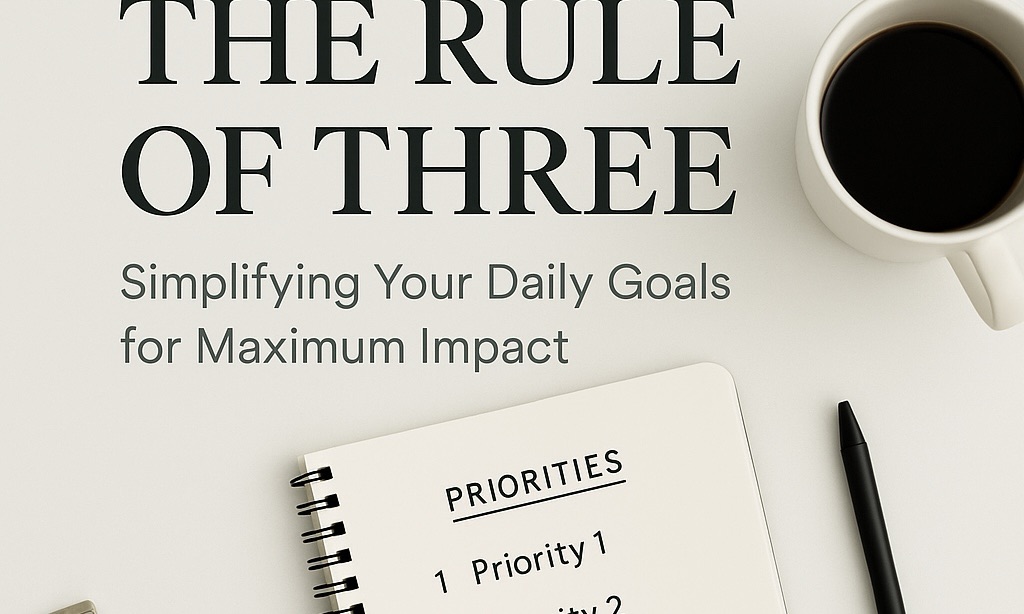
    Write down your 3 priorities—paper, app, mirror—it doesn’t matter.

    Just do it before opening your inbox or calendar.

    🏡 Apply it across life areas:

    Work: finish project draft Health: 20-minute workout Family: tech-free dinner time

    Need more structure? Use this question:

    💡 “What 3 things would make today feel successful—even if I got nothing else done?”

    Stick to 3. If you’re tempted to add more, make it a bonus. 🎁

    🌱 Bonus: The Weekly Rule of Three

    Take 5 minutes every Sunday:

    What’s 1 major work goal? What’s 1 health or personal goal? What’s 1 relationship or family goal?

    Write them down. Keep them visible. Reflect midweek. 🧭

    ✳️ Minimalism in Action

    The Rule of Three isn’t about doing less.

    It’s about doing what matters most—with clarity and consistency.

    “Essentialism isn’t how to get more things done. It’s how to get the right things done.”

    – Greg McKeown

    🎯 When you simplify your focus, you amplify your results.

    🚀 Try This Tomorrow

    ✅ Write down 3 priorities

    ✅ Tackle them before distractions

    ✅ Track how it feels over 1 week

    👇 Drop one of your 3 below if you’re in.

    Let’s make simplicity your new superpower.

  • 💡 Kickstart Your Day, Trim the Fat: The 30/30/30 Rule Explained

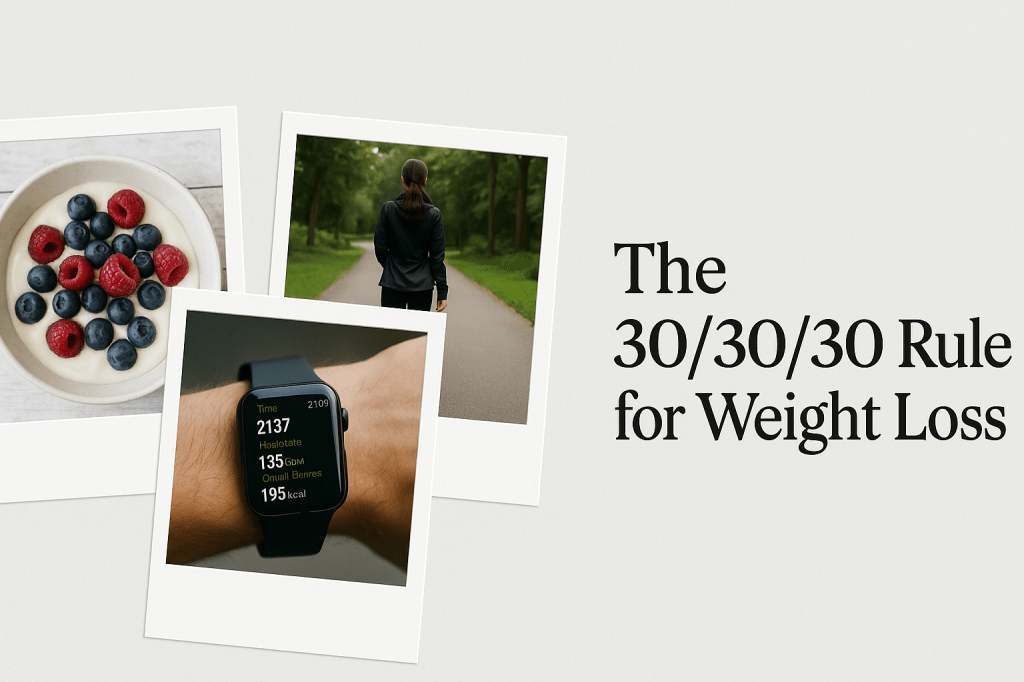
    💡 Kickstart Your Day, Trim the Fat: The 30/30/30 Rule Explained

    In a world flooded with flashy diets and complex fitness programs, simplicity often gets overlooked. But if you’re a busy professional with limited time, simplicity isn’t just a preference—it’s a strategic advantage. 🎯

    That’s why the 30/30/30 Rule, popularized by health coach Gary Brecka, is creating a quiet revolution. It’s a minimalist morning routine that jumpstarts fat burning, balances energy levels, and helps you stay focused throughout your day—all without needing a personal trainer or meal prep marathon.

    🧩 What Is the 30/30/30 Rule?

    ✅ 30 grams of protein

    ✅ Within 30 minutes of waking

    ✅ Followed by 30 minutes of low-intensity movement

    That’s it. A routine that takes under an hour and delivers outsized returns when practiced consistently.

    🔥 Why It Works (Without the Hype)

    💥 Protein builds and protects lean muscle while keeping hunger at bay. It also increases thermogenesis, meaning your body burns more calories digesting it.

    💥 Eating early reduces cortisol spikes, stabilizes your mood, and lowers your chance of energy crashes later in the day.

    💥 Low-intensity cardio taps into fat stores without stressing your body. You’re burning fat, not glycogen—and you stay in control.

    This is not a gimmick. It’s foundational physiology, applied with intention.

    🛠️ A Minimalist’s Guide to 30/30/30

    🎯 Quick Protein Options:

    🥚 Scrambled eggs + olive oil

    🥣 Greek yogurt + seeds or fruit

    🧊 Protein shake with almond milk + oats

    🧀 Cottage cheese with berries or cinnamon

    🚶 Low-Intensity Movement Ideas:

    🌳 Morning walk outdoors

    📞 Take work calls while pacing

    🚲 Light indoor cycling

    🐾 Walk the dog (or with your kids!)

    No gym? No problem. No time? Still doable. This routine meets you where you are.

    💡 What You Can Expect

    ✔️ Reduced cravings throughout the day

    ✔️ More stable energy and mental clarity

    ✔️ A calmer, more focused start to your day

    ✔️ Improved insulin sensitivity over time

    ✔️ Easier fat loss—without extremes

    This isn’t just about physique. It’s about showing up as your best self—at work, at home, and in your own mind.

    🧭 Real-World Tips to Make It Stick

    📅 Schedule your walk like a meeting

    🥣 Prep protein-rich breakfasts the night before

    📲 Use a recurring morning reminder

    📉 Track your streaks—not just your weight

    The goal isn’t perfection. It’s consistency. One intentional morning at a time.

    🧘 Final Thought: Discipline = Freedom

    “Discipline doesn’t mean doing more—it means doing what matters, consistently.”

    The 30/30/30 rule aligns perfectly with minimalist principles: fewer moving parts, greater focus, and real, sustainable results.

    It’s not a hack. It’s a habit. And like all habits that matter, it’s worth repeating.

  • The Perfect Summer Suit: A Timeless Essential for Every Capsule Wardrobe

    The Perfect Summer Suit: A Timeless Essential for Every Capsule Wardrobe

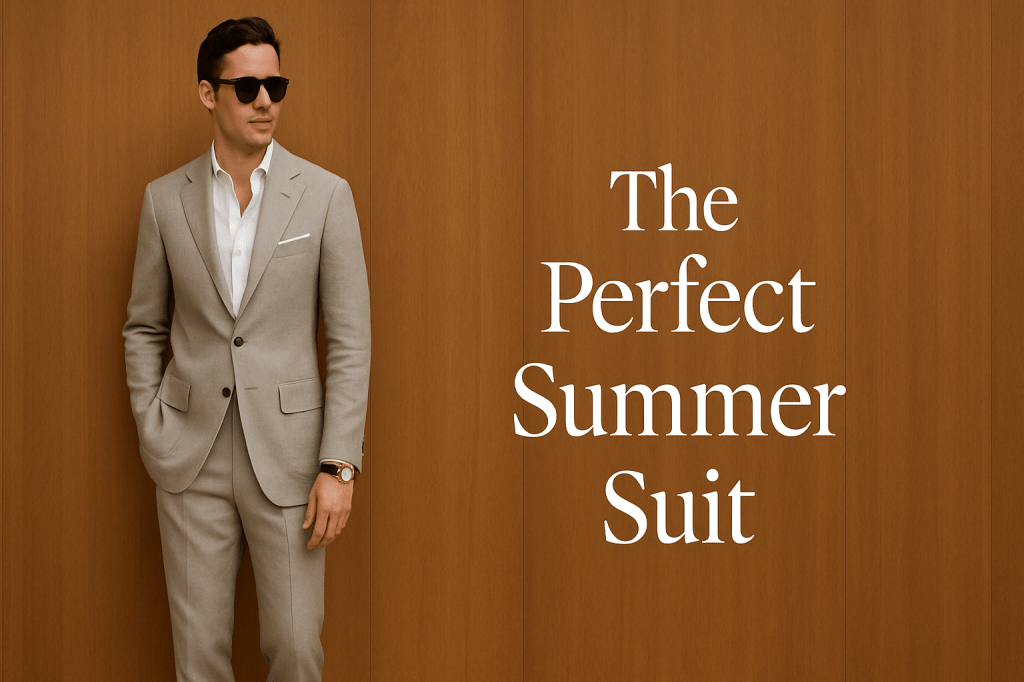
    There’s a particular kind of magic to the perfect summer suit. It’s the sartorial equivalent of sprezzatura — effortless elegance that whispers instead of shouts. As a seasoned men’s fashion expert who travels to Pitti Uomo twice a year, I’ve seen everything from the wildest peacocks to the purest expressions of timeless tailoring. And amidst the evolving trends, one truth remains: a well-chosen summer suit, especially in the relaxed yet refined Italian style, belongs in every man’s capsule wardrobe.

    Minimalism doesn’t mean deprivation; it means intentionality. And the summer suit, when chosen well, is the ultimate intentional piece — versatile, lightweight, and able to adapt to the rhythm of modern life. Whether you’re navigating meetings in a sun-drenched office, attending a summer wedding, enjoying a dinner date, or sipping a Negroni at a backyard BBQ, the right summer suit can rise to the occasion.

    Why Every Capsule Wardrobe Needs a Summer Suit

    The idea behind a capsule wardrobe is simple: own less, wear more. Each piece must pull its weight across various settings. A thoughtfully selected summer suit does just that. Unlike its structured, wool-heavy winter counterparts, a summer suit is about fluidity, ease, and breathability. It bridges the space between formality and comfort, offering a polished yet relaxed aesthetic that doesn’t wilt under the sun.

    When you invest in a suit you can wear as separates or as a whole, you’re unlocking a dozen outfits in one go. This is not about fashion. It’s about style — that rare quality that persists when trends fade. And nothing defines timeless style like Italian tailoring adapted for warm weather.

    From Office to Occasion: The Suit That Works Everywhere

    One of the most compelling arguments for the summer suit is its versatility. Here’s how it works for every setting on your calendar:

    Office:

    Pair it with a crisp white poplin shirt and a pair of suede loafers. Skip the tie for a smart-casual take or add a lightweight silk knit tie for meetings that demand presence.

    Summer Wedding:

    Go full sprezzatura. Add a linen pocket square, sleek leather derbies, and a soft chambray shirt. You’ll look dressed up without feeling overdressed.

    Date Night:

    Ditch the dress shirt in favor of a fitted linen or polo shirt in a soft neutral tone. Unbutton the jacket, roll up your sleeves ever so slightly, and let your demeanor do the rest.

    Backyard BBQ or Garden Party:

    Break it up. Throw the jacket over a crewneck tee, and wear the trousers with leather sandals or canvas sneakers. You’ll look pulled together without trying too hard.

    Choosing the Right Suit: Fit, Fabric, Style, and Color

    The success of a summer suit lies in its details. Let’s break down how to choose the right one:

    Fit

    Forget the stiff, hyper-tailored silhouettes of the 2010s. Summer tailoring should follow your body, not cling to it. Look for a jacket with unstructured or lightly padded shoulders, allowing for natural movement. The trousers should be slim but breathable, ideally with side adjusters for a clean waistline. Think of comfort as a form of confidence — when your suit fits well, it feels like a second skin.

    Fabric

    This is non-negotiable. The wrong fabric will sabotage even the best cut. Look for lightweight, breathable materials like:

    Linen: Classic, slightly rumpled charm that screams summer in Tuscany.

    Cotton Twill: Crisp and durable, great for structured-yet-relaxed looks.

    Tropical Wool: Surprisingly breathable and wrinkle-resistant — a smart choice for city wear.

    Blends (Linen-Cotton, Wool-Silk): Offer the best of both worlds — cooling properties and a superior drape.

    Personally, I gravitate toward high-twist tropical wool for its versatility and elegance. It travels well and holds its shape even after a long day.

    Style

    This is where Italian tailoring shines. Go for a single-breasted jacket, ideally with two buttons, double vents, and patch pockets. The double vent helps with airflow and adds a rakish charm from behind. Patch pockets, meanwhile, keep things relaxed — less boardroom, more Riviera.

    Unlined or half-lined construction is crucial. You don’t want to be weighed down. Let the jacket breathe.

    The lapel should be soft and slightly wider than average — think Neapolitan flair, not banker’s boardroom.

    Color

    Here’s where most men make a mistake. Avoid anything too loud or too dark. Summer is about lightness — opt for:

    Stone or Sand: The ultimate warm-weather neutral.

    Light Grey: Clean, modern, and easy to pair with almost anything.

    Olive or Sage: A refined way to stand out without shouting.

    Dusty Blue or Airforce Blue: A softer take on navy that suits all skin tones.

    Skip pinstripes or anything high-contrast. Instead, embrace subtle texture — like a herringbone weave or slubbed linen — for visual interest that doesn’t overpower.

    The Case for Less Formal: Sprezzatura in Action

    Formal suiting has its place, but summer calls for something more lived-in. The beauty of Italian style is that it never tries too hard. Patch pockets, soft shoulders, and natural materials combine to create a look that’s elegant without being fussy.

    The less formal summer suit projects quiet confidence. It says: I know how to dress well, but I don’t need to prove it. That’s sprezzatura. It’s the key to looking polished without appearing stiff — a must for today’s busy professional who moves fluidly between work and life.

    And it’s not just about appearances. This style is functional. You stay cool, you feel unrestricted, and you look great without having to constantly adjust or fuss. That, my friend, is the point.

    Styling Tips: Do More with Less

    Mix & Match: Wear the jacket with white jeans or chinos. Pair the trousers with a navy polo. That’s two extra outfits instantly.

    Keep Accessories Light: A linen pocket square, a simple braided belt, and a pair of tortoiseshell sunglasses are more than enough.

    Footwear: Loafers, espadrilles, or minimalist leather sneakers cover all occasions.

    Grooming & Posture: No summer suit looks good without confidence and self-respect. Keep your grooming clean, stand tall, and let the tailoring do the talking.

    Final Thoughts: The Summer Suit, Simplified

    A well-chosen summer suit is more than just a garment — it’s a mindset. It speaks of a man who values quality over quantity, elegance over extravagance, and function over flash. It proves that minimalism, when executed with taste, doesn’t restrict — it liberates.

    So if your capsule wardrobe is missing this warm-weather essential, consider this your invitation. Invest in one. Wear it often. Let it age with you, adapt with you, and most of all— let it remind you that style, like summer, is best when enjoyed lightly.

  • The Role of Minimalism in Achieving Work-Life Balance

    The Role of Minimalism in Achieving Work-Life Balance


    🌀 The Chaos We Call Balance

    You wake up, check emails before your feet hit the floor, rush the kids to school, sit through back-to-back Zoom calls, reply to Slack messages over lunch, manage a project milestone, and then, somehow, find yourself answering one last email in bed at 10:47 p.m.

    Sound familiar?

    For many professionals, balance feels more like juggling chainsaws than walking a tightrope. We add productivity hacks, new calendar apps, and time-saving gadgets—yet our schedules get fuller, our energy thinner, and our patience shorter.

    But what if the key to true work-life balance wasn’t more—but less?

    Welcome to the power of minimalism.


    ⚖️ What Work-Life Balance Actually Means

    Let’s clear something up: work-life balance isn’t about perfectly dividing your time between your job and personal life. It’s about intentional living—devoting your energy to what truly matters and filtering out the rest.

    Balance isn’t a 50/50 split.

    It’s:

    • Saying no to unnecessary meetings so you can say yes to dinner with your family.
    • Logging off when your brain needs rest, not just when your inbox is empty.
    • Letting go of “shoulds” in favor of what aligns with your values.

    And that’s where minimalism steps in—not as a trend, but as a compass.


    🔍 Minimalism: The Productivity Power-Up

    Minimalism is often misunderstood. It’s not about owning 10 things or living in a blank white room. It’s about clarity, focus, and removing the excess that clouds your judgment and steals your time.

    In a professional context, minimalism means:

    • Fewer priorities = Better focus
    • Less noise = Better thinking
    • Simpler systems = Smoother execution

    Research shows we make over 35,000 decisions a day. Every item on your desk, app on your phone, or tab in your browser adds to cognitive load. Minimalism reduces decision fatigue—leaving your mental energy for things that matter.


    🧠 Practical Applications at Work

    Here’s how minimalism works its magic at the office (or your kitchen table, if you’re working remotely):

    1. Declutter Your Calendar

    If your calendar looks like a game of Tetris, it’s time for a reset. Cut out recurring meetings that serve no real purpose. Ask: Does this need to happen? Could it be handled asynchronously?

    2. Single-Task Like a Pro

    Multitasking is a myth. Studies show it reduces productivity by up to 40%. Use time-blocking to focus on one task at a time. Tools like Pomodoro timers or apps like Forest can help you stay locked in.

    3. Apply the 80/20 Rule

    Chances are, 20% of your efforts yield 80% of your results. Identify high-impact tasks and ruthlessly prioritize them. Let go of the “busy work.”

    4. Master Email Minimalism

    Inbox zero is overrated. Check email 2-3 times a day—set a timer. Use labels, templates, and filters. Your inbox should work for you, not the other way around.


    🏡 Practical Applications at Home

    Now let’s bring that clarity into your personal life—where it really matters.

    1. Set Tech Boundaries

    Just because your phone is nearby doesn’t mean you need to be on-call. Create work shutdown rituals. For example: no emails after 7 p.m. or no screens in the bedroom.

    2. Simplify Your Space

    Visual clutter leads to mental clutter. Streamline your home setup—less décor, fewer distractions. A clear environment fosters a calm mind.

    3. Schedule Nothing

    Yes, you read that right. Leave blank space in your week. Time for spontaneity, reflection, even boredom. That’s when creativity—and deep connection—flourish.

    4. Be Present, Not Perfect

    You don’t need 5 hours of family time every day. You need 10 minutes of undivided attention. Trade quantity for quality. Put the phone away. Play a board game. Ask meaningful questions.


    🧭 The Minimalist Mindset: A Mental Shift

    Minimalism isn’t just about systems—it’s a philosophy.

    From FOMO to JOMO

    Let go of the Fear of Missing Out. Embrace the Joy of Missing Out. Say no to things that don’t align. Your energy is a finite resource—spend it wisely.

    The Power of “No”

    Every “yes” is a “no” to something else. Learn to say no to last-minute meetings, extra responsibilities, and social obligations that drain you.

    Self-Reflection is the Anchor

    Review your week. What brought you energy? What drained it? Use a minimalist journal to track your focus and adjust course. Minimalism requires regular realignment.


    👨‍👩‍👧‍👦 Real-Life Mini Case Studies

    Let’s make it real:

    • The Project Manager: Trimmed her meeting load by 30%—focused on strategic tasks, and finally had time to coach her team. Result? Less stress, better results.
    • The Young Family: Went screen-free after 7 p.m. for one week. Kids slept better, parents connected more. It became their new norm.
    • The Entrepreneur: Cleared his workspace, removed 70% of unused apps, and started time-blocking. He called it the most productive month of his career.

    These aren’t unicorns. They’re people like you—choosing less, and gaining more.


    🎒 Your Minimalist Work-Life Starter Pack

    Here’s how to start today:

    Declutter Your Digital Life
    — Delete unused apps
    — Unsubscribe from 10 newsletters
    — Use one to-do list app only

    Audit Your Calendar
    — Eliminate one low-value meeting
    — Add a 30-minute “deep work” block daily
    — Schedule a 24-hour window with no social plans

    Simplify Your Habits
    — Create a consistent morning ritual
    — Turn off phone notifications
    — Keep a “done” list to celebrate progress

    Bonus Tools to Try:

    • Notion: For streamlined project and task management
    • Minimalist: A clean, distraction-free to-do app
    • Sunsama: Plan your day with intention
    • Forest: Stay focused by planting virtual trees 🌱

    Final Thoughts: Simplicity Is Sustainable

    Work-life balance isn’t about perfection—it’s about presence. And minimalism helps you get there.

    By cutting the excess, you make space for what matters: deep work, meaningful rest, genuine connection, and peace of mind.

    Start small. Say no once. Clear one drawer. Remove one app. You’ll be amazed how quickly clarity compounds.


    📥 Want a quick win?
    Download your free checklist: “10 Minimalist Habits for a Balanced Work-Life”


    🗨️ What’s one thing you’ll simplify this week? Drop a comment and let’s inspire each other.

  • Authentic Leadership: Why It Matters in the Corporate World

    Authentic Leadership: Why It Matters in the Corporate World

    1. The Myth of the Corporate Mask

    In today’s fast-paced corporate environment, it’s tempting to believe that effective leadership means always being composed, always having the answer, always showing strength. We slip into roles, wear professional masks, and often bury our true selves in the name of performance.

    But here’s the truth: leadership isn’t about playing a role — it’s about showing up as the best version of yourself. The most respected leaders aren’t those who pretend to be perfect. They’re the ones who have the courage to be real.

    Authentic leadership may sound like a luxury in a world of metrics, deadlines, and tight schedules, but it’s actually the foundation of resilient, high-performing teams. And while it may feel uncomfortable at first, it’s the path that makes leadership feel lighter, more effective — even effortless.


    2. What Is Authentic Leadership?

    Authentic leadership means leading with integrity, self-awareness, and purpose. It’s not about being loud, charismatic, or overly transparent — it’s about aligning your words and actions with your values, and showing consistency even under pressure.

    An authentic leader:

    • Knows and accepts their strengths and weaknesses.
    • Makes decisions based on values, not optics.
    • Communicates honestly, without manipulation.
    • Builds trust by being consistent — not flawless.

    In short, authenticity is about being anchored. In a world that pulls in a hundred directions, it’s your internal compass that keeps you grounded — and allows others to find their bearings around you.


    3. Why Authentic Leadership Matters — Especially Today

    In a post-pandemic world marked by remote collaboration, digital overload, and cultural shifts, people are craving connection and clarity more than ever.

    Authenticity cuts through the noise. It builds:

    • Trust, because people can rely on you to be consistent.
    • Loyalty, because people follow leaders who stand for something real.
    • Resilience, because grounded leaders handle chaos without crumbling.

    Consider leaders like Satya Nadella, who transformed Microsoft not with bravado, but by leading with empathy and clarity. Or Patagonia’s Rose Marcario, who built a culture rooted in purpose and environmental responsibility. These leaders didn’t just drive results — they changed culture by being real.


    4. Authenticity Isn’t Effortless — But It Makes Leadership Feel That Way

    At first, being authentic might feel like the harder path. It requires vulnerability, reflection, and the willingness to say, “I don’t know,” or “I made a mistake.”

    But here’s the paradox: once you embrace it, authenticity simplifies everything. You stop second-guessing yourself. You stop rehearsing conversations. You stop managing a persona.

    Instead, you lead from a place of clarity — and that clarity makes hard decisions easier, communication sharper, and your presence more powerful. That’s how authentic leadership makes the hard things feel effortless.


    5. The Hidden Barriers to Authenticity

    So why isn’t every leader authentic? The corporate world isn’t always kind to vulnerability. Many professionals fear being seen as weak or unpolished.

    Common barriers include:

    • Fear of judgment or failure
    • A culture that rewards performance over presence
    • Pressure to conform or “fit the mold”
    • Lack of psychological safety

    But authenticity doesn’t mean overexposing your private life or sharing every doubt. It means having the courage to show up truthfully, even when it’s uncomfortable — especially when it matters most.


    6. How to Practice Authentic Leadership (Even With a Packed Schedule)

    Authenticity isn’t a big event — it’s a series of small, daily decisions. Here are five minimalist habits you can build into your leadership routine:

    1. Start with self-reflection
      Journal regularly. Ask: What do I stand for? Where am I out of alignment?
    2. Lead with your “why”
      When setting direction or making decisions, explain the reasoning. People respect transparency.
    3. Ask for feedback — and listen
      Authenticity grows through openness. Don’t just ask for input; act on it.
    4. Be consistent, not performative
      Don’t change your leadership style depending on who’s watching. Consistency builds trust.
    5. Simplify communication
      Speak clearly and concisely. Say less, mean more. People remember presence more than polish.

    These small acts build momentum. Over time, they form the foundation of a leadership style that feels natural, honest, and impactful.


    7. Authentic Leadership as a Force Multiplier

    When you lead authentically, you unlock authenticity in others. Your team feels safer taking initiative, being honest about challenges, and collaborating with confidence.

    This has compounding effects:

    • Fewer misunderstandings
    • More creative problem-solving
    • Higher engagement and ownership
    • Reduced burnout and turnover

    Authenticity creates alignment — and alignment creates speed. When everyone is pulling in the same direction, guided by shared values, progress accelerates.


    8. Final Thoughts: Be the Leader Who Breathes Instead of Braces

    The world doesn’t need more perfect leaders. It needs more real ones. The ones who pause before reacting, who listen without defensiveness, who admit when they don’t know — and keep showing up with intention.

    In the end, authentic leadership isn’t about impressing others. It’s about having the courage to lead from the inside out. It’s not easy — but it’s lighter. Simpler. More sustainable.

    And when done well, it makes even the hardest parts of leadership look effortless.