Tag: minimalist

  • How to Declutter Your Home: A Step-by-Step Minimalist Approach

    How to Declutter Your Home: A Step-by-Step Minimalist Approach

    In a world overflowing with material possessions and distractions, the concept of minimalism offers a refreshing path to clarity and simplicity. Decluttering your home not only creates a more organized and aesthetically pleasing environment but also fosters mental tranquility and efficiency. This essay explores the minimalist approach to home decluttering and provides an actionable guide to begin the process effectively.

    Understanding Minimalism

    Minimalism is more than just a design style; it is a lifestyle choice that emphasizes simplicity and intentional living. By focusing on what truly matters and letting go of excess, minimalism seeks to reduce clutter, both physical and mental. The core principle is to curate one’s possessions thoughtfully, allowing only those items that bring joy or serve a purpose to remain.

    The Benefits of Decluttering

    Decluttering your home can have profound benefits. Physically, it creates more space and reduces the time spent searching for misplaced items. Mentally, it reduces stress and enhances focus, as a clean environment fosters a sense of calm and control. Emotionally, it can lead to a deeper appreciation of the things you choose to keep and a more meaningful connection to your living space.

    A Step-by-Step Minimalist Approach

    1. Assess and Plan:

    Begin by evaluating the current state of your home. Identify areas that are particularly cluttered or disorganized. Set clear, achievable goals for what you want to accomplish and create a plan outlining which areas to tackle first. Breaking the task into smaller, manageable sections can prevent feelings of overwhelm.

    2. Start Small:

    The key to successful decluttering is starting small. Begin with a single drawer, closet, or room. This incremental approach helps build momentum and establishes a habit of decluttering regularly. As you progress, the process will become more intuitive and less daunting.

    3. Sort and Categorize:

    Use the “four-box method”: label four boxes as “Keep,” “Donate,” “Sell,” and “Discard.” As you go through your items, place each one into the appropriate box. Be honest with yourself about whether each item is truly necessary or brings you joy. This step is crucial in distinguishing between sentimental value and practical use.

    4. Implement the “One In, One Out” Rule:

    To maintain a clutter-free environment, adopt the “One In, One Out” rule. For every new item you bring into your home, ensure that an old one is removed. This habit helps prevent the accumulation of unnecessary possessions and maintains the balance you’ve worked hard to achieve.

    5. Organize What Remains:

    Once you’ve decluttered, focus on organizing the items you’ve decided to keep. Use storage solutions that maximize space and ensure everything has a designated place. Clear labeling and systematic arrangement can make finding and accessing items easier and more efficient.

    6. Regular Maintenance:

       Decluttering is not a one-time task but an ongoing process. Set aside time periodically to reassess your possessions and make adjustments as needed. Regular maintenance helps to prevent clutter from accumulating again and ensures that your home remains an organized sanctuary.

    Actionable Guide to Get Started
    1. Create a Decluttering Schedule:
      Start with a calendar and schedule dedicated decluttering sessions. Allocate specific times each week to focus on different areas of your home. Stick to these appointments as you would any other commitment.
    2. Begin with a Single Drawer:
      Pick a single drawer or small space to begin your decluttering journey. Empty the drawer, sort through the contents using the four-box method, and organize the remaining items. This initial step will provide a quick sense of accomplishment and motivate you to continue.
    3. Set a Time Limit:
      For each decluttering session, set a timer for 30 to 60 minutes. Working within a set timeframe prevents fatigue and keeps you focused. Short, concentrated efforts are often more productive than extended, less focused sessions.
    4. Build the Habit Gradually:
      As you become more comfortable with decluttering, gradually increase the scope of your projects. Move from smaller areas to larger spaces, and eventually tackle entire rooms or closets. This gradual scaling up ensures that you develop sustainable habits without becoming overwhelmed.
    5. Celebrate Your Progress:
      Recognize and celebrate your achievements along the way. Completing a decluttering session or organizing a specific area can be motivating and reinforces the positive changes you’re making.
    Conclusion

    Adopting a minimalist approach to decluttering can transform your home into a more serene and functional space. By starting small, implementing practical strategies, and gradually scaling up your efforts, you can cultivate habits that lead to lasting change. Embrace the process with patience and persistence, and you’ll find that a clutter-free home not only enhances your living environment but also enriches your overall well-being.
  • The Beginner’s Guide to Embracing Minimalism in Everyday Life

    The Beginner’s Guide to Embracing Minimalism in Everyday Life

    Minimalism isn’t just about having fewer things; it’s a mindset that helps you focus on what truly matters by stripping away the excess. Embracing minimalism can lead to a more intentional, stress-free, and fulfilling life. Whether you’re tired of the clutter in your home, overwhelmed by the demands on your time, or just seeking a simpler way to live, this guide will help you take the first steps toward incorporating minimalism into your everyday life.

    What is Minimalism?

    At its core, minimalism is about intentionality—making conscious choices about what you allow into your life and letting go of anything that doesn’t serve your purpose or bring you joy. This can apply to physical possessions, your schedule, relationships, and even your thoughts. The goal is to create space for what’s truly important.

    Why Embrace Minimalism?
    • Less Stress: A cluttered environment often leads to a cluttered mind. By reducing physical and mental clutter, you can reduce stress and anxiety.
    • More Time: When you eliminate unnecessary tasks and distractions, you free up time for activities that truly matter to you.
    • Financial Freedom: Buying less means saving more, which can lead to greater financial stability.
    • Environmental Impact: Consuming less is better for the planet, as it reduces waste and the demand for resources.
    How to Begin Your Minimalist Journey
    1. Start with Your Why

    Before diving into decluttering, it’s essential to understand why you want to embrace minimalism. Are you seeking more peace, time, or financial freedom? Knowing your reasons will keep you motivated throughout the process.

    2. Declutter Your Physical Space

    The most visible aspect of minimalism is reducing physical clutter. Start small—perhaps with a single room or even a drawer. Assess each item and ask yourself:

    • Do I use this regularly?
    • Does this bring me joy?
    • Would I miss this if it were gone?

    If the answer is no, it’s time to let it go. Donate, sell, or recycle items that no longer serve a purpose in your life.

    3. Simplify Your Schedule

    Minimalism isn’t just about physical possessions; it’s also about how you spend your time. Evaluate your daily and weekly activities:

    • Are there commitments that drain your energy without adding value?
    • Can you say no to obligations that don’t align with your priorities?

    Simplify your schedule by focusing on what truly matters and letting go of the rest.

    4. Mind Your Digital Clutter

    In our digital age, it’s easy to accumulate digital clutter—think emails, apps, photos, and files. Regularly clean up your digital spaces by:

    • Unsubscribing from unnecessary email lists.
    • Deleting apps you no longer use.
    • Organizing files and photos into folders, and deleting duplicates or irrelevant items.
    5. Practice Mindful Consumption

    Minimalism also involves being mindful of what you bring into your life. Before making a purchase or committing to a new activity, ask yourself:

    • Do I really need this?
    • Does this align with my values and goals?

    This approach not only reduces future clutter but also helps you save money and time.

    6. Focus on Quality Over Quantity

    When you do choose to buy something, prioritize quality over quantity. Whether it’s clothing, furniture, or tools, investing in well-made items that last longer aligns with minimalist principles and reduces waste.

    7. Cultivate Contentment

    Minimalism is about appreciating what you have rather than always striving for more. Practice gratitude daily by reflecting on what you’re thankful for. This mindset shift helps you focus on the positive aspects of your life and reduces the desire for unnecessary acquisitions.

    8. Build Meaningful Relationships

    Minimalism also extends to your social life. Focus on deepening relationships with people who bring positivity and joy into your life, rather than maintaining a large number of superficial connections. Quality friendships and relationships contribute significantly to your well-being.

    Minimalism in Everyday Life: An Actionable Checklist

    To help you get started on your minimalist journey, here’s a simple checklist you can follow:

    1. Identify Your ‘Why’: Write down the reasons you want to embrace minimalism.
    2. Declutter One Space: Choose one area (e.g., a closet, desk, or drawer) to declutter this week.
    3. Simplify Your Schedule: Eliminate one non-essential commitment or task from your routine.
    4. Clean Up Your Digital Life: Unsubscribe from at least five email lists and delete unused apps.
    5. Mindful Purchase: Before buying anything new this week, ask yourself if it’s truly necessary.
    6. Focus on Gratitude: Write down three things you’re grateful for each day.
    7. Nurture Relationships: Reach out to a close friend or family member and plan quality time together.

    By following this guide and checklist, you’ll begin to experience the benefits of minimalism in your daily life. Over time, these small steps can lead to significant positive changes, allowing you to live more intentionally, with greater clarity and purpose.

  • 40 Simple Ideas to Improve Your Life: A Minimalist Guide to Happiness, Satisfaction, Health, and Productivity

    40 Simple Ideas to Improve Your Life: A Minimalist Guide to Happiness, Satisfaction, Health, and Productivity

    As I approach my 40th birthday next week, I’ve been reflecting on ways to simplify and enhance my life in meaningful ways. Turning 40 feels like a milestone, and I want to enter this new decade with a clear focus on what truly matters. With that in mind, I’ve put together a list of 40 simple ideas to boost happiness, satisfaction, health, and productivity. These are small, actionable steps that anyone can take to improve their life immediately.

    1. Declutter Your Space
      • How: Start with one area, like your desk or a single drawer. Remove anything you don’t use regularly or doesn’t bring you joy.
      • Why: A tidy space promotes a clear mind and reduces stress.
    2. Practice Gratitude Daily
      • How: Each morning or before bed, write down three things you’re grateful for.
      • Why: Gratitude shifts focus from what’s lacking to what’s abundant, fostering a positive mindset.
    3. Set Clear Priorities
      • How: List the top three things you want to accomplish each day.
      • Why: Focusing on fewer tasks increases your chances of completing them, leading to a greater sense of achievement.
    4. Drink More Water
      • How: Carry a reusable water bottle and aim to drink a full bottle by lunchtime and refill for the afternoon.
      • Why: Staying hydrated boosts energy levels and supports overall health.
    5. Take a Walk Outside
      • How: Spend at least 10 minutes walking outside each day, preferably in a green space.
      • Why: Nature exposure reduces stress and increases feelings of well-being.
    6. Limit Screen Time
      • How: Set specific times to check your phone or social media, and avoid screens an hour before bed.
      • Why: Reducing screen time improves sleep and frees up time for more meaningful activities.
    7. Simplify Your Wardrob
      • How: Create a capsule wardrobe with a few versatile pieces that you love wearing.
      • Why: Fewer clothing choices reduce decision fatigue and simplify mornings.
    8. Practice Deep Breathing
      • How: Take a few deep breaths in and out when feeling stressed.
      • Why: Deep breathing calms the mind and reduces stress.
    9. Eat Whole Foods
      • How: Incorporate more fruits, vegetables, and whole grains into your meals.
      • Why: Whole foods provide essential nutrients that boost energy and improve health.
    10. Read Daily
      • How: Spend 15 minutes reading a book or article that interests you.
      • Why: Reading stimulates the mind and offers new perspectives.
    11. Say “No” More Often
      • How: Politely decline commitments that don’t align with your priorities.
      • Why: Saying no preserves time and energy for what truly matters.
    12. Practice Mindful Eating
      • How: Eat without distractions, savoring each bite and noticing flavors and textures.
      • Why: Mindful eating improves digestion and satisfaction with meals.
    13. Create a Morning Routine
      • Design a simple, consistent routine that includes activities that set a positive tone for the day.
      • Why: A morning routine grounds you and prepares you for the day ahead.
    14. Get Enough Sleep
      • How: Establish a consistent bedtime and wake-up time, even on weekends.
      • Why: Adequate sleep is crucial for mental and physical health.
    15. Reduce Possessions
      • How: Regularly assess and donate or discard items you no longer need.
      • Why: Fewer possessions lead to less clutter and more focus on what’s important.
    16. Connect with Loved Ones
      • How: Make time for regular conversations or visits with friends and family.
      • Why: Strong relationships are key to happiness and fulfillment.
    17. Practice Meditation
      • How: Start with just five minutes of sitting quietly, focusing on your breath.
      • Why: Meditation reduces stress and increases mindfulness.
    18. Limit Caffeine Intake
      • How: Gradually reduce coffee or energy drink consumption, especially in the afternoon.
      • Why: Less caffeine can improve sleep quality and reduce anxiety.
    19. Practice Single-tasking
      • How: Focus on completing one task at a time before moving to the next.
      • Why: Single-tasking improves productivity and the quality of your work.
    20. Unsubscribe from Unnecessary Emails
      • How: Take a few minutes to unsubscribe from newsletters or services you no longer read.
      • Why: A cleaner inbox reduces stress and distraction.
    21. Laugh More
      • How: Watch a funny video or spend time with people who make you laugh.
      • Why: Laughter releases endorphins and reduces stress.
    22. Keep a Journal
      • How: Spend a few minutes each day writing down your thoughts, ideas, or experiences.
      • Why: Journaling helps clarify thoughts and track personal growth.
    23. Simplify Your Finances
      • How: Automate bill payments and set up a budget that’s easy to follow.
      • Why: Simplifying finances reduces stress and helps you stay on track with your goals.
    24. Embrace Minimalist Design
      • How: Simplify your home decor by choosing fewer, more meaningful items.
      • Why: A minimalist environment is calming and aesthetically pleasing.
    25. Practice Forgiveness
      • How: Let go of grudges or past grievances, focusing on moving forward.
      • Why: Forgiveness frees you from negative emotions and promotes inner peace.
    26. Volunteer Your Time
      • How: Find a cause you care about and dedicate a few hours a month to helping out.
      • Why: Volunteering fosters connection and provides a sense of purpose.
    27. Use a Planner
      • How: Write down your tasks, appointments, and goals for the week.
      • Why: A planner helps you stay organized and reduces the stress of trying to remember everything.
    28. Cook Simple, Healthy Meals
      • How: Focus on recipes with few ingredients that you can prepare in under 30 minutes.
      • Why: Simple meals save time and support healthy eating habits.
    29. Practice Self-compassion
      • How: Treat yourself with the same kindness you would a friend when you make mistakes.
      • Why: Self-compassion improves mental health and resilience.
    30. Take Short Breaks
      • How: Set a timer to take a 5-minute break every hour during work.
      • Why: Short breaks improve focus and prevent burnout.
    31. Embrace Minimalism in Technology
      • How: Delete apps you rarely use and organize the remaining ones for easy access.
      • Why: A streamlined phone reduces distraction and increases productivity.
    32. Focus on Experiences, Not Things
      • How: Spend money on activities and experiences rather than material possessions.
      • Why: Experiences create lasting memories and happiness.
    33. Stay Present
      • How: When with others, focus fully on the conversation without distractions.
      • Why: Being present improves relationships and life satisfaction.
    34. Limit News Consumption
      • How: Check the news once a day instead of constantly throughout the day.
      • Why: Limiting news reduces anxiety and frees up time for other activities.
    35. Engage in Creative Activities
      • How: Spend time on a hobby like drawing, writing, or playing music.
      • Why: Creativity enhances problem-solving skills and brings joy.
    36. Take Care of Your Posture
      • How: Sit up straight and stretch regularly if you sit for long periods.
      • Why: Good posture prevents back pain and promotes better breathing.
    37. Cultivate a Growth Mindset
      • How: View challenges as opportunities to learn rather than as setbacks.
      • Why: A growth mindset fosters resilience and continuous improvement.
    38. Simplify Your Social Media
      • How: Unfollow accounts that don’t add value to your life or make you feel inadequate.
      • Why: A curated feed reduces comparison and increases positivity.
    39. Create a Bedtime Ritual
      • How: Develop a calming pre-sleep routine, like reading or meditating, to wind down.
      • Why: A bedtime ritual signals to your body that it’s time to sleep, improving sleep quality.
    40. Practice Minimalist Thinking
      • How: When overwhelmed, focus on what truly matters and let go of the rest.
      • Why: Minimalist thinking reduces stress and helps you make better decisions.
    Final Thoughts

    Improving your life doesn’t have to be complicated. By implementing even a few of these minimalist ideas, you can create positive changes that enhance your happiness, satisfaction, health, and productivity. Start small, and remember that simplicity is often the key to lasting success. Less is indeed more.

  • Feels like winter again

    Feels like winter again

    After having plus 30° Celsius in the beginning of the week, we are now back to below 10°, which feels colder than it actually is, since the drop in temperature is pretty massive.

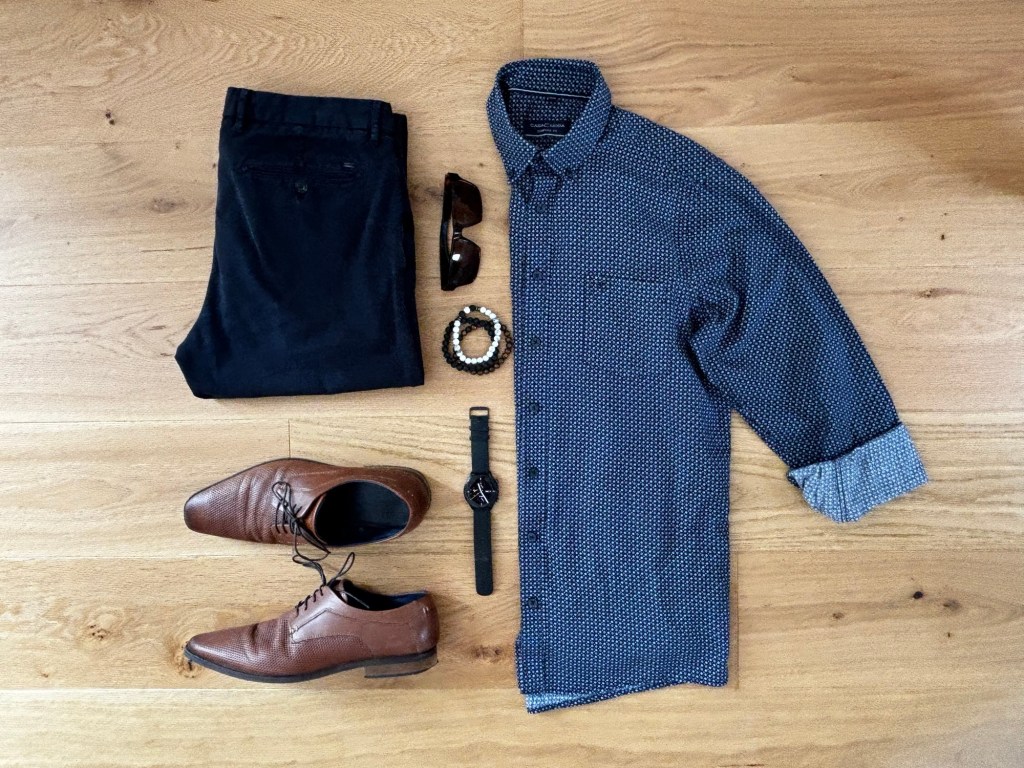
    Decided to go with a cashmere troyer over a black shirt today, since the additional wool layer not only comes in handy while sitting in the office all day, it also prevents you from sweating to easily, while taking the dog for a hourlong midday walk. Wore the same chino with it, I nearly wore all week. If you don’t sweat massively, you can get 3-5 wears out of a good cotton chino before needing to wash it. Less washing, less aging. Shout out to Massimo Dutti here, I have had those chinos for 2 years now and put them in the dryer every time after washing, the didn’t lose any size, shape or color and seem to be massively durable. In their mid season sales, you can get those chinos for less than 20€, which is an outstanding deal for this kind of quality.

    Enjoy your day, don’t take life too seriously, since you won’t make it out alive & have some fun while dressing well.

  • Working from home in the summer

    Working from home in the summer

    Or working from the coffee shop, a cool bar, the beach, the mountains, with good mobile connectivity the opportunities are nearly limit less.

    Nearly as limitless as your options for spots to work from are your choices for attire.

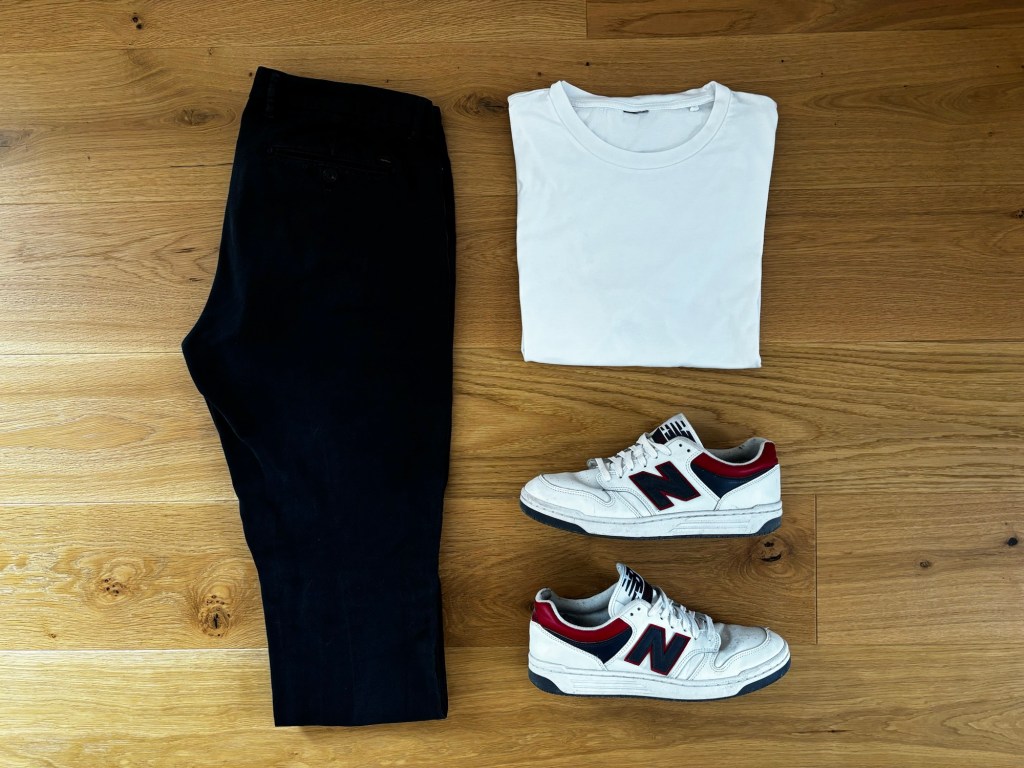
    If you have a lot of meetings you need to have the camera on, I would suggest wearing some kind of shirt (button down or dressier), if you are only producing information/ content remotely and mainly interacting via mail or chat there is nothing wrong with a good fitting, clean t-shirt.

    If you feel like it, you can always throw a blazer on top or switch the chino/ jeans for slacks (light traveler wool or some linen blend).

    In general I tend to get less sweaty/hot in cotton chinos/ wool slacks compared to wearing jeans.

    Enjoy your day! Have a good one.