Tag: musclebuilding

  • Leangains: The Ultimate Guide to Intermittent Fasting and Macro Cycling for Busy Professionals

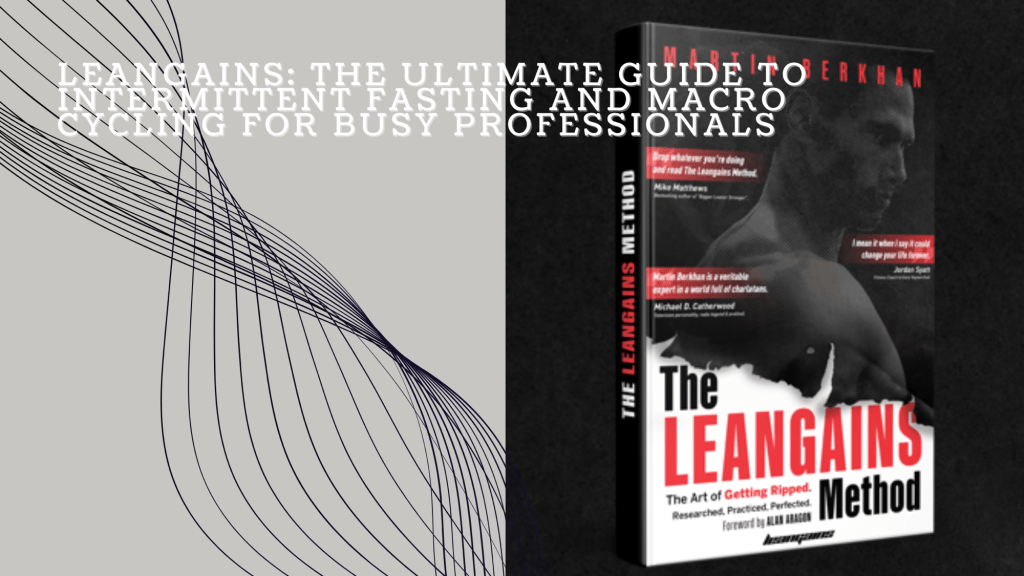
    Leangains: The Ultimate Guide to Intermittent Fasting and Macro Cycling for Busy Professionals

    Introduction

    In today’s fast-paced world, finding time to focus on fitness and nutrition can be challenging, especially for busy professionals. The Leangains method, developed by Martin Berkhan, offers a practical and effective approach to achieving body recomposition—simultaneous fat loss and muscle gain—through intermittent fasting, macro cycling, and strategic meal timing. This method is particularly well-suited for those with limited time, providing a structured yet flexible framework to optimize health and fitness.

    Who is Martin Berkhan?

    Martin Berkhan is a Swedish nutrition consultant, personal trainer, and author known for his pioneering work in the field of intermittent fasting. With a background in nutrition and fitness, Berkhan has helped countless individuals transform their bodies using his Leangains method. His approach is grounded in science and emphasizes simplicity, making it accessible and effective for a wide range of people, including busy professionals.

    Core Components of the Leangains Method
    Intermittent Fasting (IF)

    The cornerstone of the Leangains method is intermittent fasting, specifically the 16:8 protocol. This involves:

    Fasting Period: A 16-hour window during which no calories are consumed. This period can be adjusted based on individual schedules, but a common fasting window is from 8 PM to 12 PM the next day.

    Eating Window: An 8-hour window in which all daily calories and nutrients are consumed. For many, this window falls between 12 PM and 8 PM.

    What is Permitted During Fasting

    During the 16-hour fasting period, it is crucial to avoid any calorie intake. However, certain non-caloric beverages are permitted:

    Water: Staying hydrated is essential, and water is the best choice.

    Black Coffee: Coffee can be consumed without any added sugars or creamers. It can help suppress appetite and increase alertness.

    Tea: Like coffee, tea (especially green or black) can be consumed without added calories. Herbal teas are also a good option.

    Electrolytes: In some cases, adding a small amount of electrolytes to water can help maintain hydration and prevent any imbalance.

    Health Benefits of Fasting

    Intermittent fasting offers a range of health benefits beyond weight management:

    Improved Insulin Sensitivity: Fasting periods can help improve insulin sensitivity, reducing the risk of type 2 diabetes.

    Enhanced Fat Burning: Fasting encourages the body to use stored fat for energy, aiding in fat loss.

    Cellular Repair: Fasting triggers autophagy, a process where cells remove damaged components, promoting cellular health.

    Inflammation Reduction: Regular fasting periods can reduce inflammation markers in the body, lowering the risk of chronic diseases.

    Benefits for Busy Professionals

    Simplicity: By eliminating the need for breakfast, busy professionals can save time in the morning, reducing decision fatigue and simplifying their daily routine.

    Focus: Many people report increased mental clarity and focus during the fasting period, which can enhance productivity at work.

    Flexibility: The fasting and eating windows can be adjusted to fit any schedule, making it easy to maintain even with a hectic lifestyle.

    Caloric Control: Fewer meals and larger portion sizes during the eating window make it easier to stay within calorie targets, reducing the risk of overeating.

    Macronutrient Cycling

    Macro cycling in the Leangains method involves adjusting the intake of macronutrients (proteins, carbohydrates, and fats) based on training and rest days:

    Training Days: Higher intake of carbohydrates and calories to fuel workouts and promote muscle recovery. Protein intake remains high to support muscle synthesis.

    Rest Days: Lower carbohydrate intake and higher fat consumption. Calories are reduced to encourage fat loss while maintaining muscle mass.

    Benefits for Body Recomposition

    Muscle Gain: Higher carbohydrate and calorie intake on training days ensures that muscles receive the necessary nutrients for growth and repair.

    Fat Loss: Lower calorie intake on rest days creates a caloric deficit, promoting fat loss while preserving muscle mass through adequate protein consumption.

    Optimized Performance: Carbohydrate cycling aligns nutrient intake with physical activity, optimizing energy levels and workout performance.

    Hormonal Balance: Alternating macronutrient intake can positively affect hormones related to metabolism and appetite regulation, enhancing overall body composition.

    Meal Timing

    Within the 8-hour eating window, the timing and composition of meals are crucial for optimizing the Leangains method:

    Post-Workout Meal: The largest meal of the day, consumed immediately after training, to maximize muscle protein synthesis and recovery. This meal should be rich in protein and carbohydrates.

    Minimal Snacking: Focus on consuming substantial, nutrient-dense meals rather than frequent snacking to improve satiety and nutrient absorption.

    Balanced Meals: Ensure each meal contains a balance of protein, carbohydrates, and fats to provide sustained energy and support overall health.

    What to Eat to Break the Fast

    When breaking the fast, it is important to consume a meal that provides essential nutrients and supports your fitness goals:

    Protein: Include a high-quality protein source such as lean meat, fish, eggs, or plant-based proteins like tofu and legumes to support muscle synthesis.

    Carbohydrates: Incorporate complex carbohydrates like whole grains, fruits, and vegetables to replenish glycogen stores and provide sustained energy.

    Fats: Add healthy fats from sources like avocados, nuts, seeds, or olive oil to enhance satiety and provide essential fatty acids.

    Micronutrients: Include a variety of colorful vegetables and fruits to ensure adequate intake of vitamins and minerals.

    Benefits for Busy Professionals

    Convenience: By focusing on fewer, larger meals, busy professionals can reduce the time spent on meal preparation and eating.

    Efficiency: Eating strategically around workouts ensures that the body is fueled when it needs it most, enhancing workout performance and recovery.

    Simplicity: A structured meal plan reduces the need for constant decision-making about food, making it easier to stick to dietary goals.

    How the Leangains Method Improves Body Recomposition

    The Leangains method is highly effective for body recomposition due to its strategic combination of fasting, macro cycling, and meal timing:

    Enhanced Fat Loss: The intermittent fasting period promotes fat oxidation and increases insulin sensitivity, making the body more efficient at burning fat.

    Muscle Preservation and Growth: By consuming high-protein meals, especially post-workout, the method supports muscle protein synthesis and prevents muscle loss during fat loss phases.

    Hormonal Benefits: Fasting has been shown to improve the balance of hormones related to metabolism and muscle growth, such as increased growth hormone levels and improved insulin sensitivity.

    Sustained Energy Levels: Balanced meals and strategic carbohydrate intake ensure that energy levels remain stable, reducing fatigue and enhancing overall performance.

    Conclusion

    The Leangains method, developed by Martin Berkhan, offers a practical and scientifically-backed approach to achieving body recomposition. By combining intermittent fasting, macronutrient cycling, and strategic meal timing, this method provides a simple yet effective framework for busy professionals to optimize their health and fitness. Whether your goal is to lose fat, gain muscle, or both, the Leangains method can help you achieve lasting results while fitting seamlessly into a demanding lifestyle.
  • 20 lessons from 20 years of lifting

    20 lessons from 20 years of lifting

    I started lifting weights back in 2004, the year I graduated school and my focus shifted from playing CounterStrike and StarCraft to girls and partying. Originally I started to lose the last bit off fluff around the waist (former fat kid syndrome) so I joined up in the next best gym and did your typical bro-split for the first few weeks and months to follow.

    Lucky me, the owner of the gym I joined was a former bodybuilding competitor and took my friends and me somewhat under his wings and showed us the ropes. 6 months to the future, I was fully immersed in the bodybuilding lifestyle, reading every piece of information I could get my hands on from team team-andro, to t-nation, to the tan tight slacks of dezso ban and a lot of books, from Stuart McRobert to Arnold’s encyclopedia. Bought creating, protein powders L-carnitin, BCAAs and mostly everything else that was marketed to give you an edge.

    That went on throughout my time in university, mainly focusing on bodybuilding, before getting a real life (aka 50+ hour job, a wife, two kids and a dog) when training time took a backseat. Then I started dipping into more of the low volume stuff, powerlifting, what the oldtimers did (e.g. odd lifts) and learned some olympic weightlifting (thanks to Dan John).

    So, if you made it this far into my blogpost. Here are the 20 lessons I learned and try to apply moving forward.

    1. Strength, the skill that compounds

    Being strong will make every other endeavor in life easier. Want to throw your kids around in the pool, be strong. Need to move, or help someone to move, be strong. Want to be able to play with your grandkids and great grandkids, stay strong as long as possible. Want to feel confident, be strong. Want clothes to fit you perfectly get stronger. You get the idea I guess.

    2. 10,000 hours to be truly competent

    No matter if it’s learning how to squat properly, feeling the muscles while training them, autoregulating frequency, intensity and overall volume. It will take time to learn those things, might be close or even over 10,000 hours. With 3 strength training sessions a week and round about 90 minutes per workout mastery will only come after 42 years. This does not mean, that you can only reach your dream appearance or strength level when turning 80.

    3. Start out young and you will get laid

    It will set you apart on the dating market, if you are carrying more muscle and are generally leaner. It might even make it easier to find your soulmate. All fluffy talk aside, attraction is always first and foremost based on outside appearance. You can have the greatest character of all time, if you look like the Hunchback of Notredam you will most likely not get the girl in the end of your personal fairytale.

    4. Motivation is overrated, so is having a plan

    Don’t get me wrong, use 5/3/1 or starting strength or Madcow’s 5by5 or any other linear periodization scheme you discovered in the interwebs. But 20 years down the road, it just will not matter. Consistency is the only thing, that will. So if you go full on CrossFit, but burn out after a year or two and never touch any weights ever again, the bro-split guy that did his thing for 20+ years will be fitter and looking better.

    5. Progress is not linear, at least not for long

    There will be periods of time where you can increase the weight on the bar from workout to workout or week to week and there will be time where you can see your arms growing in the mirror. Followed by a stretch of time where nothing at all happens, but looking back to old images of 2-5 years ago, the difference might be astonishing.

    6. Try the fad diet or fad workout

    If it keeps you going in the long run, try the “how Daniel Craig trained to be James Bond” workout or the 2 weeks pickled cucumber water fast. Try as many things out as you can, as long as you have fun with it and do it for 2 to 4 weeks, to see if it has any impact, be it positive or negative. Adjust from there.

    7. I tend to always come back to the basics

    There is a reason for squat, deadlift and benchpress being the core of any power lifting meeting and any sane training plan as well. Try stuff out, but come back to the tried and true exercises ever so often. Make adjustments dependent on your age, level of fitness or injury history.

    8. Prioritize rest as you get older

    You might not be able to train twice a day, seven days a week, once you have a career and a family and all the stress that goes with it. If your 22, only starting out and still in school, training or university, or if you have rich parents and will never need to work any real job, double down on training and eat like there is no tomorrow.

    9. You are rotting, try to stop or reverse it

    Once turning 40 it will become obvious, how is strength training and how is not. Posture, skin tone, cardiovascular capacity & general immune function will tell. Get strong, be strong, get even stronger, reverse aging & set yourself apart from your peers.

    10. Bodybuilding is 100% lifting and 100% diet

    This statement might be the best version of all the nuances regarding what is more important in the quest for size and strength. But only because the two are equally important does not mean, there is no room for errors or life to happen. 20% of your efforts will be getting you to 80% of outcomes, which is mostly enough. So instead of doing 123 exercises for biceps, do some pull ups, but with real effort. The 80/20 rule is reversible as well, so try to have >80% of your meals composed of the 20% of foods that will give you the protein and fat you need to thrive. Be committed 80% of the time, and life in the other 20%.

    11. No need to track everything all the time

    Track food and workouts for some periods in time and you will be able to eyeball it in periods where training and looking great naked is not the main focus of your time on earth. Don’t feel bad if you haven’t tracked anything and slacked off for quite some while. As long as you are making healthy choices in the kitchen and staying active with your workouts you are way ahead.

    12. Supplements make your wallet lean

    Coming back to 80/20, it’s just not worth it. Instead of mixing a protein shake, buy a ball of mozzarella or a slice of chickenbreast or what ever else will give you roughly 20g of protein. Eat real food, that our ancestors might have identified as food.

    13. Minimize friction as you age & priorities shift

    Homegym anyone? If you are already overcommitted chances are, you will not commute to the gym, get into your workout clothes, train there in the post-work crowdedness, shower and drive all the way home. If you equipment is already at home you can either have additional time training, or additional time for whatever else you enjoy doing. Hang a pull up bar somewhere in the house and do a couple of those every time you pass that door frame.

    14. Training will set you apart from your peers

    The difference might not be as visible in your 20, when everyone has been playing sports for the better part of their childhood, but it will be very noticeable once you are in your fourties and have kids and the difference will be enormous once you reach retirement age.

    15. Not everybody is a fitness model

    Once you start becoming interested in bodybuilding, powerlifting, strongmen or whatever, the algorithm will show you an endless amount of people that look like they were carved from stone. Don’t become discouraged, look around in university, in the office, workshop or on the construction site or wherever you might be reading this (I hope for you it’s a beach), if you train your are already looking better than >90% of the population

    16. Your “looking good naked” will evolve

    While you might be focused on having a sixpack in the beginning, like I was this will shift as you evolve, some will go down the powerbuilding routing trying to look as strong as possible, sacrificing leanness, some will want to look like their favorite Hollywood actor or maybe your are just happy if you have no cellulitis or dumps in your skin and everything is firm.

    17. Don’t buy into the lifestyle niche

    There is more to life than training and carrying Tupperware full of chicken and rice with you everywhere you go. Your time here is gone in the blink of an eye, enjoy the days you have. Have some fun, but try to stop the fun once it is severely impacting your health.

    18. Drink more water, beer also helps

    As Arnold mentioned, milk is for babies, if you want to grown, you have to drink beer. Jokes aside, chances are you need to drink a big glass of water right now, go and drink something.

    19. It’s not a religion, don’t become dogmatic

    Do some HIT, some CrossFit, some powerlifting, some odd object lifting, some bro split. Try everything and adopt what works for you. Don’t become engaged in discussion over the internet, what is the right cadence for what lift. You know, arguing over the internet is like starting in the Paralympics, even if you win, you are still disabled.

    20. Love the process and yourself

    Don’t expect wonders to happen over night, enjoy the huffing and puffing, the sweating the eyeballs pushing out of your skull during some heavy high intensity training. Become addicted to this feeling and to the pump afterwards. Stay training for as long as you are able to move, it will improve every other aspect of your life.

    Cut yourself some slack, not every nanosecond of your day needs to be optimized.