Tag: productivity

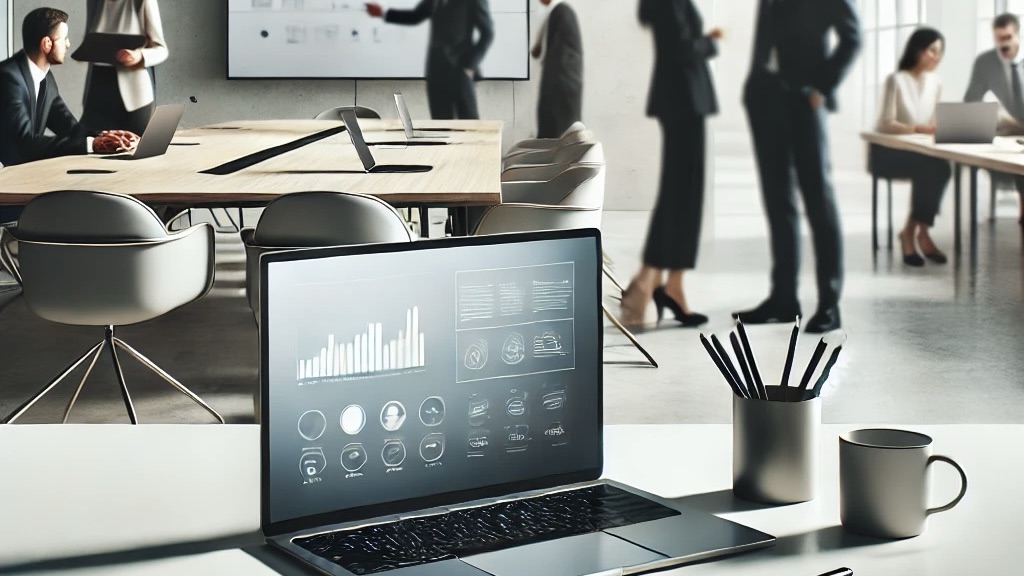
  • How Minimalism Improves Team Productivity and Collaboration

    How Minimalism Improves Team Productivity and Collaboration

    1. Introduction: The Power of Less in Teamwork

    In today’s fast-paced work environment, teams often find themselves drowning in endless meetings, overflowing inboxes, and an overwhelming number of tools. Instead of boosting productivity, these distractions create inefficiencies, miscommunication, and burnout.

    Minimalism, often associated with decluttering personal spaces, is just as powerful in a team setting. By focusing only on what truly adds value, teams can operate more effectively, reduce stress, and collaborate seamlessly. The goal of minimalism in teamwork is to remove unnecessary complexity, eliminate distractions, and emphasize clarity, focus, and efficiency.

    Imagine a team where every meeting has a clear purpose, where communication is concise yet impactful, and where tools serve to enhance rather than hinder workflow. By implementing minimalist principles, teams can transform the way they work, fostering a culture of simplicity, agility, and high performance.


    2. The Key Minimalist Principles for Team Productivity

    Clarity Over Clutter

    A cluttered workspace—whether digital or physical—leads to wasted time and confusion. Minimalist teams focus on clear roles, responsibilities, and workflows, ensuring that everyone understands their priorities and objectives. This eliminates ambiguity and allows for a more streamlined execution of tasks.

    A practical example: Instead of multiple platforms for task management, teams should use a single, well-structured tool with clearly defined action items and deadlines. The less time spent navigating multiple systems, the more time spent on meaningful work.

    Focused Work, Fewer Interruptions

    Constant notifications, last-minute meetings, and unnecessary updates disrupt deep work. Studies show that it can take up to 25 minutes to regain full focus after an interruption. A minimalist approach emphasizes structured time for focused work, reducing context switching and enhancing overall efficiency.

    Encouraging “focus blocks,” where team members dedicate uninterrupted periods to deep work, can drastically improve productivity. Companies like Asana and Basecamp implement this strategy, allowing employees to engage in deep, distraction-free work.

    Essentialism in Communication

    Overcommunication can be just as harmful as under-communication. Teams that practice minimalism prioritize concise, clear, and necessary conversations, avoiding redundant discussions and excessive emails.

    For instance, rather than sending lengthy email threads, teams can adopt quick summary reports or project dashboards that provide essential updates at a glance. This not only saves time but also ensures that communication is purposeful and actionable.

    Streamlined Collaboration

    Instead of juggling multiple collaboration tools, minimalist teams adopt only the most effective ones, ensuring a seamless and efficient workflow. Every tool should serve a clear purpose and integrate smoothly with existing processes.

    For example, rather than using five different communication platforms, teams can consolidate into one or two tools that serve both instant messaging and structured documentation needs. This helps avoid information silos and reduces confusion.


    3. Eliminating the Noise: Practical Ways to Implement Minimalism in Teams

    Meetings: Less but More Effective
    • Reduce meeting frequency: Only schedule meetings when they are essential for decision-making. A well-structured email or a shared document can often replace unnecessary discussions.
    • Set clear objectives and time limits: Use the “15-minute stand-up” format where possible. Stick to a strict agenda to maximize efficiency.
    • Encourage asynchronous updates: Many discussions can be handled via written summaries instead of real-time meetings. Tools like Slack or project management boards allow for updates without disrupting workflow.
    Communication: Cutting Through the Clutter
    • The “No-Reply Culture”: Encourage emails that require minimal back-and-forth communication. Clearly state the objective and action items to avoid unnecessary clarification emails.
    • The 80/20 Rule for Collaboration Tools: Focus on a few high-impact tools rather than using multiple platforms. Using fewer tools with deeper functionality is more effective than juggling too many.
    • Use concise, action-driven messages: Avoid long-winded explanations. Instead, use bullet points, direct instructions, and highlight key takeaways.
    Tools & Processes: Doing More with Less
    • Avoid “App Overload”: Stick to a select few tools that integrate well and cover multiple needs. Too many apps can lead to confusion and inefficiencies.
    • Standardize workflows: Minimize custom processes that complicate decision-making. Having a clear process ensures consistency and predictability in execution.
    • Automate repetitive tasks: Leverage automation to reduce manual work and save time. For example, automated reporting can replace time-consuming manual status updates.

    4. The Minimalist Leadership Mindset: Setting the Tone

    • Leaders must set an example: Encourage a results-driven approach rather than a culture of busyness. Rewarding output rather than input fosters efficiency.
    • Empower teams to say “No”: Employees should feel comfortable pushing back against non-essential tasks. Leaders should encourage a mindset where time is valued and protected.
    • Shift from input-based to outcome-based evaluation: Instead of measuring success by hours worked, focus on measurable outcomes and key performance indicators (KPIs).

    5. Case Study: A Real-World Example

    A great example of minimalist team management is Basecamp, a company that prioritizes simplicity in collaboration. They avoid unnecessary meetings, limit their communication channels, and emphasize asynchronous work. As a result, their teams remain focused, productive, and less stressed.

    Key takeaways:
    • Fewer meetings lead to more productive work time.
    • Simplifying tool usage prevents inefficiencies.
    • Encouraging written updates over real-time interruptions improves clarity and documentation.

    Additionally, tech giants like Google and Apple integrate minimalist principles in their work culture by focusing on essential meetings, limiting email overload, and promoting deep work hours. This allows their teams to stay highly productive while maintaining a healthy work-life balance.


    6. Conclusion: Less is More — The Path to a High-Performing Team

    Minimalism in the workplace is not about doing less work—it’s about eliminating distractions and focusing on what truly matters. By streamlining meetings, improving communication, and reducing tool overload, teams can work more efficiently, reduce stress, and collaborate more effectively.

    Try this today: Identify one unnecessary meeting, tool, or process in your workflow and eliminate it. Watch how this small step improves your team’s productivity and collaboration.

    By adopting a minimalist mindset, teams can achieve higher efficiency, stronger collaboration, and a more enjoyable work experience. Remember, in productivity—less is often more.


  • Effortless Focus: How Digital Minimalism Enhances Mental Clarity and Well-Being

    Effortless Focus: How Digital Minimalism Enhances Mental Clarity and Well-Being

    In today’s world, our phones buzz more than a beehive in peak summer. Emails, notifications, and the infinite scroll of social media have turned our attention spans into something rivaling a goldfish. But what if the key to mental clarity and effortless focus wasn’t about doing more—but about doing less? Welcome to digital minimalism, where you don’t have to quit technology, just use it smarter.

    The Digital Drain on Mental Energy

    Ever found yourself checking emails at a red light? Or grabbing your phone just to check the time, only to emerge 20 minutes later from a TikTok rabbit hole? You’re not alone. Studies show that the average person checks their phone 96 times a day—that’s once every 10 minutes. And each time we get distracted, it takes around 23 minutes to refocus on the task at hand.

    Think of your brain like a web browser. Right now, you’ve got 37 tabs open, and some are playing music you can’t locate. Constant digital engagement clutters our mental space, leading to stress, decision fatigue, and scattered thinking.

    Actionable Insight: Audit Your Digital Habits

    For one day, track how often you check your phone or switch between tasks. If you gasp at the final number, congratulations—you’re human. Step one to digital minimalism is awareness.

    The Art of Intentional Tech Use

    Let’s be clear: Digital minimalism isn’t about tossing your smartphone into a lake (though tempting). It’s about using technology on your terms—not letting it use you.

    Tech should serve your goals, not hijack your attention. That means curating the tools that add value and ditching (or at least limiting) the ones that don’t.

    Actionable Insight: Turn Your Phone into a Tool, Not a Temptation
    • Delete one app today that drains your time (you know the one).
    • Move distracting apps off your home screen—out of sight, out of mind.
    • Use grayscale mode to make social media less enticing.

    Mental Health Benefits of Doing Less

    Imagine your brain like a cluttered desk. Every notification, every open tab, every email ping is another piece of paper thrown on top. Eventually, you can’t find what you’re looking for, and stress levels skyrocket.

    Studies have linked high screen time with increased anxiety, sleep disruption, and decreased emotional well-being. On the flip side, people who practice digital minimalism report feeling calmer, more present, and—ironically—more connected in real life.

    Actionable Insight: Set Digital-Free Zones
    • Keep your phone out of the bedroom to improve sleep quality.
    • Make mealtimes screen-free to strengthen real-life connections.
    • Use “Do Not Disturb” mode for a few hours daily to give your brain breathing space.

    Effortless Focus & Productivity

    The secret to getting more done? Reduce distractions. Less input = more output.

    Neuroscientist Adam Gazzaley found that switching tasks constantly (a.k.a. our normal digital behavior) creates a cognitive bottleneck, slowing us down and making work feel harder than it is. But when we engage in deep work—sustained focus on a single task—we not only perform better but feel more satisfied with our work.

    Actionable Insight: Batch Your Digital Consumption
    • Schedule “tech check-ins”: Set specific times to check emails and messages instead of reacting instantly.
    • Use website blockers like Freedom or Cold Turkey for distraction-free work sessions.
    • Try the Pomodoro technique: 25 minutes of focused work, 5-minute break.

    Simple Shifts for Maximum Impact

    Not sure where to start? Here are three easy, high-impact changes to implement today:

    1. Notifications Off, Focus On – Disable non-essential notifications to reclaim your attention.
    2. One Screen at a Time – No more second-screening (watching Netflix while scrolling Instagram). Be present.
    3. Tech Sabbath – Try a few hours (or a full day) of digital detox every week to reset your mind.
    Final Thoughts: Make Digital Minimalism Work for You

    Digital minimalism isn’t about perfection—it’s about intentionality. By simplifying your digital life, you don’t just reclaim your focus and mental well-being; you make space for the things that truly matter. So, take control of your tech, rather than letting it control you.

    Your brain (and sanity) will thank you.

  • Streamlining Decision-Making with Minimalism – Making Smart Choices Effortlessly

    Streamlining Decision-Making with Minimalism – Making Smart Choices Effortlessly

    Imagine waking up, reaching for the first outfit in your closet, and knowing it looks great without a second thought. Breakfast is already planned, your calendar is set, and the day flows effortlessly. No frantic last-minute choices, no mental fatigue before 9 AM—just clarity, focus, and ease.

    Sounds ideal, right? Yet for many professionals, daily decision-making feels more like running an endless obstacle course. What should I wear? What should I eat? Which email should I respond to first? By noon, decision fatigue creeps in, leaving us mentally drained before tackling the real challenges of the day.

    Minimalism offers a way out. By reducing unnecessary choices, we can free up mental energy, sharpen our focus, and make smarter decisions—effortlessly. Let’s explore how.


    The Weight of Too Many Choices: Why Decision Fatigue is Holding You Back

    Steve Jobs wore the same black turtleneck daily. Barack Obama kept his wardrobe limited to gray or navy suits. Mark Zuckerberg? Hoodies and T-shirts. These high achievers didn’t lack style; they understood that every small decision chips away at our cognitive resources.

    This phenomenon, known as decision fatigue, means that the more choices we make, the less capable we are of making good ones. Studies show that by the afternoon, judges grant fewer paroles, shoppers abandon online carts, and professionals procrastinate on important tasks. The mental bandwidth needed to sift through endless options gets depleted, leaving us vulnerable to impulsive, lazy, or outright bad decisions.

    So how do we avoid this trap? By removing unnecessary decisions altogether.


    Minimalism as a Mental Clarity Tool: Simplify to Amplify

    Minimalism isn’t about owning fewer things—it’s about making room for what truly matters. The same applies to decision-making. By simplifying our routines, commitments, and priorities, we reduce mental clutter and make better choices with ease.

    Think of your mind like a high-powered processor. If too many applications are running in the background, performance slows down. Closing unnecessary tabs—like debating what to wear or what to eat—keeps your mental CPU running smoothly for high-value tasks.

    How to Apply This in Everyday Life:

    • Streamline your morning routine – A pre-set wardrobe, a fixed breakfast menu, and a clear schedule eliminate guesswork.
    • Automate recurring decisions – Use meal planning, auto-bill payments, and pre-scheduled workouts to reduce daily choices.
    • Say “no” more often – Declutter your commitments, focus only on high-impact tasks, and avoid distractions disguised as opportunities.

    The goal? More energy for deep work, strategic thinking, and the decisions that truly move the needle.


    Effortless Strategies for Smarter Decisions

    Once we strip away the nonessential, decision-making becomes smoother, faster, and more intuitive. Here are four minimalist strategies to make smart choices almost automatically:

    1. The Capsule Wardrobe: One Less Choice Every Morning

    A well-curated wardrobe saves time, mental energy, and unnecessary stress. When every item pairs effortlessly with the rest, dressing well becomes instinctive. Invest in versatile, high-quality essentials, and eliminate the daily “What should I wear?” dilemma.

    2. Pre-Planned Meals: Eat Well Without Overthinking

    Every meal you cook from scratch is a decision. Multiply that by three meals a day, seven days a week, and that’s over 1,000 food choices a year. Instead, rotate a handful of simple, nutritious meals. Meal prepping on Sundays? Even better. It’s one less thing to think about.

    3. Structured Workflows: Prioritizing Like a Pro

    Use frameworks like the Eisenhower Matrix to separate urgent tasks from important ones. Eliminate low-value tasks, delegate what you can, and focus only on what truly matters. The result? A workday that feels effortless, not overwhelming.

    4. The Two-Minute Rule: Beat Procrastination Instantly

    If a task takes less than two minutes, do it immediately. No overthinking, no mental buildup. This simple habit eliminates minor decisions that would otherwise pile up and drain your focus.


    The Power of Fewer, Better Choices

    At its core, minimalism is about removing friction. The fewer unnecessary choices we face, the more energy we have for decisions that truly count—whether it’s a career-defining strategy, a life-changing opportunity, or simply being fully present with family.

    By simplifying the mundane, we gain clarity for the meaningful. When our mental space isn’t cluttered with trivial decisions, we can act with confidence, efficiency, and ease.

    So, what’s one unnecessary decision you can eliminate today? Start small, simplify, and watch as effortlessness becomes second nature.

    Less clutter, fewer choices—smarter decisions.

  • Time-Efficient Strength Training for Busy Professionals: Maximum Results in Minimal Time

    Time-Efficient Strength Training for Busy Professionals: Maximum Results in Minimal Time

    The Myth: You Need Hours in the Gym to Get Strong

    Let’s cut through the noise: You don’t need hours in the gym to get strong—you need a smarter approach. If you’re a busy professional, your time is valuable. The last thing you need is an inefficient workout routine packed with unnecessary exercises, excessive volume, and complicated programming.

    The problem?

    • You don’t have time for long workouts.
    • Most fitness advice is too complex to follow.
    • You struggle to stay consistent because life gets in the way.

    The good news? You can get stronger, build muscle, and improve your health with a minimalist, time-efficient approach. Let’s dive in.


    The Minimalist Strength Training Plan: Maximum Results in Minimal Time

    The 80/20 Rule applies to strength training: 80% of your results come from 20% of your efforts. That means focusing on the key compound movements that provide the most bang for your buck.

    1. The Core Exercises (No Fluff, Just Results)

    Forget about endless curls and crunches. Your training should center around these foundational movements:

    • Squats (Goblet Squat, Back Squat, or Front Squat)
    • Deadlifts (Conventional, Trap Bar, or Romanian)
    • Presses (Overhead Press, Bench Press, or Dumbbell Variations)
    • Rows (Barbell Rows, Dumbbell Rows, or Inverted Rows)
    • Carries (Farmer’s Walk, Suitcase Carry)

    These exercises work multiple muscle groups at once, allowing you to train efficiently while maximizing strength and muscle gains.

    2. The Workout Structure for Busy Schedules

    You don’t need to train six days a week. Two to four sessions of 30-45 minutes each is enough.

    Simple Weekly Template:

    • Option 1: Full-Body (2x per week, 45 min per session)
      • Squat (3×5)
      • Bench Press (3×5)
      • Deadlift (2×5)
      • Dumbbell Rows (3×8 per side)
      • Farmer’s Carry (3×30 sec)
    • Option 2: Upper/Lower Split (4x per week, 30 min per session)
      • Day 1 (Upper): Overhead Press, Rows, Core Work
      • Day 2 (Lower): Squats, Deadlifts, Carries
      • Day 3 (Upper): Bench Press, Chin-ups, Core Work
      • Day 4 (Lower): Romanian Deadlifts, Lunges, Sled Push

    3. The Power of Progressive Overload

    The secret to getting stronger isn’t fancy workouts—it’s progressive overload.

    • Lift a little heavier each week.
    • Do an extra rep when possible.
    • Keep challenging yourself.

    No need to chase unnecessary volume. Stick to quality reps over quantity.

    4. Recovery & Consistency: The Real Game Changers

    Strength training is only part of the equation. To truly maximize results in minimal time, you need to focus on:

    • Nutrition: Prioritize protein (lean meats, eggs, fish) and whole foods.
    • Sleep: Aim for 7-9 hours per night to support recovery.
    • Stress Management: Keep cortisol levels in check with mindfulness or simple breathing techniques.

    Consistency beats perfection every time. Two solid sessions per week for a year beats four sessions per week for a month.


    Why Strength Training is a Game-Changer for Professionals

    Beyond muscle and aesthetics, strength training is a force multiplier for success in life and work.

    More Energy & Focus

    Lifting weights boosts dopamine, testosterone, and mental clarity. You’ll feel more alert and productive at work.

    Stronger Body = Stronger Mind

    Overcoming physical resistance builds mental resilience. You’ll handle stress better, make sharper decisions, and feel more confident.

    The “Effortless” Effect

    A well-trained body moves better, recovers faster, and performs at a higher level—making everyday life feel easier. Less fatigue, better posture, and higher stress tolerance.


    Take Action Today: Your Simple Starting Plan

    Ready to start? Here’s the simplest, most effective way:

    • 3 exercises, 3 times a week, 20 minutes per session.
    • Start with: Squats, Presses, and Rows.
    • Gradually increase weight and reps over time.

    No More Excuses

    • No time? Train at home with bodyweight or minimal equipment.
    • No gym? Get adjustable dumbbells or a kettlebell.
    • Not motivated? Commit to just 10 minutes—momentum will take care of the rest.

    Final Thought: Strength is the Foundation of Success

    Your career, your confidence, your energy levels—everything improves when you get stronger. Commit to just 30 minutes twice a week, and watch how effortlessly strength translates into success.

    Now go lift.

  • The Role of Digital Minimalism in Professional Success

    The Role of Digital Minimalism in Professional Success

    In a world where technology is omnipresent, professionals face both immense opportunities and significant challenges. While digital tools enable connectivity and efficiency, they also introduce distractions, stress, and overwhelm. Digital minimalism—a deliberate approach to using technology—offers a solution. By prioritizing purposeful digital habits, professionals can cultivate focus, clarity, and long-term success.

    What is Digital Minimalism?

    Digital minimalism is the practice of curating your digital life to align with your values and goals. It’s about minimizing distractions, decluttering your digital environment, and using technology as a tool rather than a crutch. This philosophy allows professionals to reclaim their time and energy, paving the way for a more intentional and productive work life.


    Why Digital Minimalism Matters for Professional Success
    1. Improved Focus and Productivity

    The modern workplace is plagued by constant notifications, emails, and pings. Each interruption pulls you away from deep work, the kind of focused effort required for meaningful progress.

    • How to apply it:
      • Set specific blocks of time to check emails and respond to messages.
      • Turn off non-essential notifications to maintain uninterrupted focus.
      • Use apps like Freedom or Focus@Will to block distractions and enhance concentration.
    2. Reduced Decision Fatigue

    Every app, tool, and notification competes for your attention, leading to decision fatigue. Digital minimalism reduces this cognitive load by simplifying your digital ecosystem.

    • How to apply it:
      • Limit the number of apps you use daily.
      • Organize your digital workspace for clarity, such as creating clean folder structures or using minimal desktop layouts.
      • Unsubscribe from unnecessary newsletters and unfollow accounts that don’t add value.
    3. Better Time Management

    Professionals often underestimate how much time is spent on unproductive digital activities like scrolling social media or checking notifications. By adopting digital minimalism, you can reallocate that time to high-priority tasks.

    • How to apply it:
      • Conduct a digital audit to identify time-wasting habits.
      • Use time-blocking techniques to structure your day effectively.
      • Leverage minimalist productivity tools like Google Calendar, Notion, or Todoist to stay organized.
    4. Improved Mental Clarity and Well-being

    The constant influx of information can overwhelm your mind, leading to stress and burnout. Digital minimalism allows you to regain mental space, fostering clarity and resilience.

    • How to apply it:
      • Take regular digital detoxes, even if just for a few hours a day.
      • Prioritize offline activities that recharge you, such as reading, exercising, or spending time with loved ones.
      • Create a calming digital environment with fewer apps and muted notifications.

    How to Get Started with Digital Minimalism
    1. Audit Your Digital Usage:
      Analyze how you currently use technology. Identify tools that enhance your productivity and eliminate those that waste your time.
    2. Define Your Priorities:
      Align your digital habits with your professional goals. For example, if networking is a priority, focus on using LinkedIn purposefully instead of spending hours on unrelated platforms.
    3. Embrace the “Less is More” Philosophy:
      Limit your digital tools to essentials. Instead of juggling multiple apps for the same purpose, choose one reliable tool.
    4. Set Boundaries:
      Define when and how you use technology. For instance, designate specific times for checking emails and avoid using your phone during meetings or creative work.
    5. Experiment with Digital Detoxes:
      Start small by disconnecting for a few hours each week. Gradually build up to longer periods to experience the benefits of a tech-free mindset.

    The Path to Sustainable Professional Success

    In the fast-paced professional world, success is no longer about doing more—it’s about doing what matters. Digital minimalism empowers you to focus on high-impact activities, maintain clarity, and reduce stress. By intentionally curating your digital life, you create the mental and physical space needed to achieve your goals while staying aligned with your values.

    Adopting digital minimalism doesn’t mean rejecting technology; it means using it as a tool for intentional success. Start small, stay consistent, and watch as your professional life transforms for the better.