Tag: ProgressiveOverload

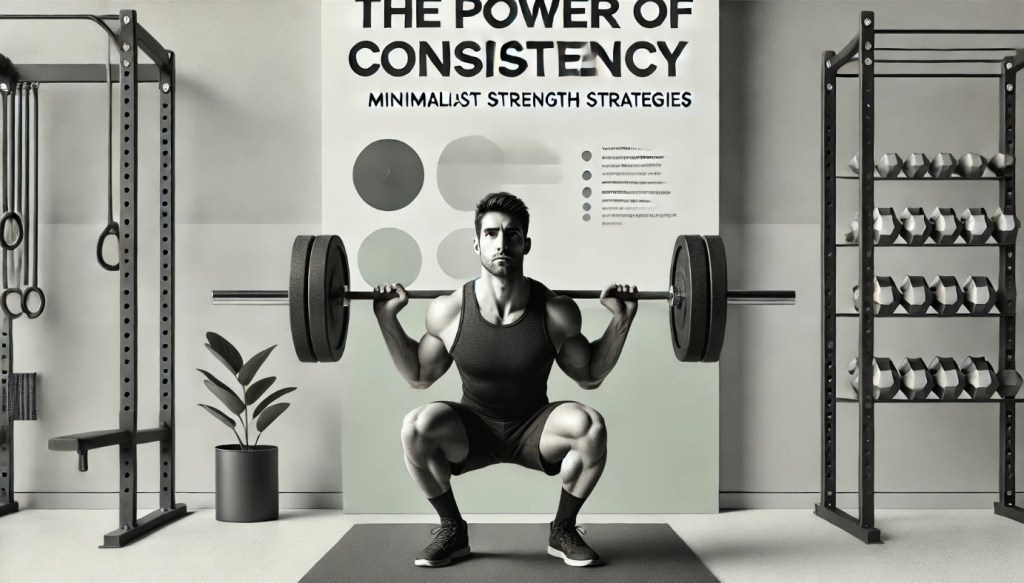
  • The Power of Consistency: Minimalist Strategies for Long-Term Strength Gains

    The Power of Consistency: Minimalist Strategies for Long-Term Strength Gains

    In the world of strength training, flashy routines and overcomplicated systems often steal the spotlight. Yet, anyone who’s spent years under the bar knows: long-term progress isn’t built on novelty. It’s built on consistency.

    As a minimalist strength trainer, I focus on cutting through the noise — offering busy professionals efficient, sustainable strategies that deliver exceptional results without monopolizing their time or mental bandwidth. Here’s how applying minimalist principles can unlock serious strength gains over the long term.

    Why Consistency Beats Complexity

    Your body thrives on repeated signals. Strength and muscle aren’t developed through constantly switching exercises or chasing trends. Instead, they’re the byproduct of progressive overload applied week after week, month after month.

    Minimalism emphasizes doing fewer things — but doing them well and consistently. For strength training, this means focusing on:

    • A small selection of compound lifts (squat, deadlift, bench press, pull-up, overhead press)
    • Simple, progressive programming
    • Unwavering adherence to form and effort
    • Prioritizing recovery and nutrition without micromanagement

    The key takeaway? Mastery through repetition trumps variety without progression.

    Minimalist Strategies for Strength Success

    1. Build Your Core Routine — Then Stick to It

    You don’t need 12 different exercises for biceps. You need a well-rounded plan based on multi-joint, compound movements that engage large muscle groups and allow you to lift heavy.

    Here’s a minimalist weekly template:

    DayFocusKey Exercises
    1Push (Upper Body)Bench Press, Overhead Press
    2Pull (Upper Body)Pull-ups, Barbell Rows
    3LegsSquats, Romanian Deadlifts
    4Full Body (Optional)Deadlifts, Farmer’s Carries

    Optional accessory work is fine, but never the focus.

    2. Apply Progressive Overload—Patiently

    The fastest way to plateau is program hopping. Instead, add small, manageable increments to your lifts over time — whether that’s 2.5 kg more on your squat or one extra rep with perfect form.

    Progress stalls only when you stop tracking. Keep it simple: write down your sets, reps, and weight. Aim for marginal gains every session, no matter how small.

    3. Prioritize Recovery Without Overthinking

    Recovery is often overlooked, especially by driven professionals used to pushing limits. Minimalist recovery principles:

    • Sleep: 7–8 hours minimum.
    • Nutrition: Lean proteins, whole foods, balanced meals. No obsession over exact macros, just consistent intake of quality calories.
    • Mobility: 5-10 minutes of daily joint mobility work.

    No need for expensive supplements or elaborate routines. Simple habits executed consistently outperform complexity every time.

    4. Treat Nutrition as Support, Not Obsession

    You don’t need exotic superfoods or meticulous calorie tracking to build strength and lean muscle.

    The minimalist nutrition rule:

    Each meal = Protein + Vegetable/Fruit + Quality Carb/Fat

    Examples:

    • Grilled chicken, quinoa, roasted vegetables
    • Scrambled eggs, whole grain toast, berries
    • Salmon, rice, steamed broccoli

    Keep portions reasonable. Eat mostly the same 10–12 meals you enjoy. Less decision fatigue = more adherence.

    5. Accept Boring = Effective

    The biggest mental shift busy professionals must make?

    Boring is good. Boring builds.

    You won’t always feel excited. Your workouts might feel repetitive. That’s exactly when progress happens. By embracing simplicity, you remove mental clutter and create space for effort and focus.


    The Minimalist Strength Advantage

    Minimalist strength training isn’t about doing less for the sake of laziness. It’s about ruthless efficiency — removing distractions, focusing energy, and letting consistency compound over time.

    For professionals balancing careers, family, and demanding schedules, the minimalist approach is the only sustainable, scalable path to peak strength and physique.

    Master the basics. Commit long-term. Watch how effortless, yet unstoppable, your progress becomes.

  • How Minimalism Improves Focus and Results in Fitness

    How Minimalism Improves Focus and Results in Fitness

    In a world obsessed with the latest fitness fads, high-tech gadgets, and influencer-endorsed magic formulas, it’s easy to get lost in the noise. But the truth? Fitness success isn’t about complexity. It’s about doing fewer things, better — showing up, lifting with purpose, and mastering the basics. Strength training and overall fitness don’t thrive on chaos; they thrive on focused, relentless consistency. If you’re ready to ditch the fluff and get real results, welcome to the minimalist fitness mindset.

    Strength Training: The Minimalist Approach

    Forget the circus act of balancing on a Bosu ball while curling pink dumbbells. The foundation of any effective strength training program is built on big, battle-tested, multi-joint movements: squats, deadlifts, bench presses, overhead presses, and pull-ups/rows. These exercises aren’t just for show — they recruit multiple muscle groups, enhance coordination, and stimulate serious strength and muscle gains.

    Want results? Progressive overload is king. Instead of aimlessly wandering through the gym trying every machine like a lost tourist, focus on lifting heavier over time. The magic isn’t in how many different exercises you cram into a session — it’s in getting stronger in a handful of fundamental movements. Stick to these, push hard, and you’ll build the kind of real-world strength that actually matters.

    Consistency Over Complexity

    One of the biggest mistakes people make in the gym? Constantly switching routines like they’re swiping through a dating app. Here’s the secret: the best program is the one you stick to. Strength isn’t built in a week — it’s built over years.

    Minimalism in training means cutting out the noise and doubling down on what works. Instead of getting sucked into the latest high-rep, low-rep, pyramid, drop-set, muscle confusion nonsense, just focus on showing up and progressively getting stronger. Train hard. Recover well. Repeat. It’s not rocket science — it’s discipline.

    Cardio: The Overlooked Essential

    For those over 30, maintaining cardiovascular fitness isn’t optional — it’s a non-negotiable investment in your long-term vitality. Strength training is crucial, but your heart needs training too. Luckily, a minimalist approach to cardio makes it effective, sustainable, and downright enjoyable:

    • Walking: The simplest, most underrated form of cardio. A 30-minute brisk walk daily does wonders for heart health, recovery, and mental clarity.
    • Zone 2 Cardio: Low-intensity steady-state cardio (cycling, jogging, rowing) 2-3 times a week improves endurance without torching your strength gains.
    • Short, Intense Sessions: Occasional sprints or high-intensity intervals keep you athletic, explosive, and metabolically efficient.

    Cardio doesn’t have to be a miserable, soul-crushing slog. Find what you enjoy, do it consistently, and reap the benefits.

    Nutrition: The Minimalist Perspective

    Fitness isn’t just built in the gym — it’s built in the kitchen, too. But too many people get caught up in the endless labyrinth of diet trends, expensive supplements, and contradictory nutrition advice. The minimalist approach? Keep it simple, stupid.

    • Whole Foods First: Stick to real, unprocessed foods. Lean proteins, vegetables, healthy fats, and quality carbs should be the backbone of your diet.
    • Protein-Rich, Easy-to-Prepare Meals: Eggs, chicken, beef, fish, legumes, and dairy — simple, effective, and essential for recovery and muscle growth.
    • Everything in Moderation: Forget extreme dieting and unnecessary restrictions. 80% whole, nutrient-dense foods, 20% flexibility. No guilt, no obsession — just sustainable habits.
    • Stick to the Basics: Meal prep simple, balanced meals that you actually enjoy, and stop chasing the latest diet cult.

    Master the fundamentals—eat enough protein, stay within reasonable calorie limits, prioritize real food—and you’ll be in better shape than 90% of people out there. No magic formulas needed.

    Final Thoughts: Less but Better

    Minimalism in fitness isn’t about doing the bare minimum — it’s about doing the essential things with ruthless efficiency. Strength training should revolve around fundamental compound lifts with progressive overload. Your routine should be consistent, not constantly changing. Cardio should be simple yet effective, especially as you age. Nutrition should be focused on whole, protein-rich foods in a way that’s easy to sustain.

    Success in fitness doesn’t come from doing everything; it comes from doing the right things, relentlessly. Master the basics. Stay consistent. Train hard. Eat well. Let the rest take care of itself. Less but better — that’s the minimalist way to real fitness.