Tag: ProjectManagementTips

  • Unlock the Secrets to Transforming Your Team: 7 Proven Leadership Hacks Every Project Manager Needs to Know!

    Unlock the Secrets to Transforming Your Team: 7 Proven Leadership Hacks Every Project Manager Needs to Know!

    Effective leadership in project management goes far beyond delegating tasks and managing deadlines. It’s about inspiring your team, fostering a positive work environment, and driving collective success. One of the most powerful ways to achieve this is by leading by example. When project managers model the behaviors and attitudes they wish to see in their teams, they not only boost morale but also enhance productivity and collaboration. In this article, we’ll explore how project managers can leverage leadership techniques to motivate and engage their teams, and provide practical, actionable steps to elevate your leadership game right away.

    1. Communicate with Clarity and Transparency

    Clear communication is the foundation of good leadership. It ensures that everyone understands their role, responsibilities, and the project’s goals. But more importantly, being transparent builds trust within your team.

    Ho to do it:

    • Regularly share updates on project progress, key decisions, and any roadblocks.
    • Use tools like Slack or Microsoft Teams to maintain open communication lines.
    • Create a culture where team members feel comfortable asking questions or seeking clarification without hesitation.
    2. Empower Your Team to Make Decisions

    Micromanaging stifles creativity and lowers morale. Instead, empower your team to take ownership of their work and make decisions where appropriate. This doesn’t mean handing over complete control, but allowing autonomy where it counts.

    How to do it:

    • Establish clear guidelines and boundaries, so the team knows the scope of their decision-making power.
    • Encourage them to solve problems independently before escalating issues.
    • Celebrate their wins and provide constructive feedback when necessary.
    3. Foster a Culture of Continuous Feedback

    Feedback is essential for growth. But it’s not just about annual performance reviews. Effective leaders integrate feedback into their everyday interactions.

    How to do it:

    • Hold regular one-on-one meetings to discuss performance, challenges, and development opportunities.
    • Provide both positive reinforcement and constructive criticism.
    • Encourage peer feedback within the team to promote a learning culture.
    4. Adapt Your Leadership Style to Each Individual

    Every team member is unique, and as a leader, it’s crucial to recognize and adapt to different working styles and personalities. Some may thrive under close guidance, while others excel with minimal oversight.

    How to do it:

    • Take time to understand each team member’s strengths, weaknesses, and preferences.
    • Tailor your approach when assigning tasks or providing feedback, based on individual needs.
    • Use personality assessments like MBTI or DiSC to gain insights into your team’s dynamics.
    5. Lead by Example: Show Commitment and Accountability

    Leadership is about setting the standard. By modeling the behavior you expect from your team—whether it’s punctuality, accountability, or commitment to quality—you set the tone for the entire project.

    How to do it:

    • Take ownership of your mistakes, and don’t shy away from admitting when things go wrong.
    • Show up for your team by being present, engaged, and approachable.
    • Demonstrate resilience in the face of challenges to inspire the same in your team.
    6. Promote Collaboration Over Competition

    While healthy competition can sometimes drive performance, fostering a collaborative environment leads to better problem-solving, innovation, and team morale. Projects are about teamwork, and collaboration should be at the forefront.

    Ho to do it:

    • Encourage knowledge sharing through regular brainstorming sessions or workshops.
    • Use project management tools like Asana or Trello to keep tasks transparent and assign joint responsibilities.
    • Celebrate team wins over individual achievements, reinforcing the idea that success is a collective effort.
    7. Stay Calm Under Pressure

    High-pressure projects are inevitable, and your response sets the tone for the team. Leaders who maintain calm, rational decision-making inspire confidence in their team members, even during stressful situations.

    How to do it:

    • Practice mindfulness or breathing techniques to manage stress.
    • Take a step back to assess the situation before reacting.
    • Encourage your team to take breaks and maintain work-life balance, even in crunch times.
    Low-Hanging Fruits: Easy Tips to Implement Today
    1. Daily Stand-ups – A quick 15-minute meeting at the start of the day can provide clarity, identify roadblocks, and foster accountability.
    2. Open Office Hours – Set aside a specific time during the week when team members can come to you with questions or concerns. This increases transparency and accessibility.
    3. Celebrate Small Wins – Regularly recognize and celebrate small achievements. Whether it’s completing a task ahead of time or successfully overcoming a challenge, small celebrations boost morale.
    4. Share Responsibility – Next time a decision needs to be made, delegate it to a capable team member. This helps build confidence and ownership.
    5. Peer Feedback – Encourage team members to give feedback to one another in a constructive and supportive way. This strengthens collaboration and helps everyone improve.
    6. Lead a Retrospective – After every project or milestone, hold a short retrospective meeting to discuss what worked, what didn’t, and what can be improved. Use this as an opportunity to gather feedback and implement changes.
    7. Model Work-Life Balance – Encourage breaks and downtime, especially during high-pressure periods, and model this behavior yourself. This helps reduce burnout and keeps the team energized.

    By incorporating these leadership hacks and easy-to-implement tips into your daily routine, you’ll notice an immediate improvement in team dynamics, morale, and productivity. Leadership is an ongoing journey, but small changes today can lead to significant transformations tomorrow.
  • Mastering Time Management: Proven Strategies for Project Managers to Get More Done in Less Time

    Mastering Time Management: Proven Strategies for Project Managers to Get More Done in Less Time

    Time management is one of the most critical skills for a project manager, where juggling multiple tasks, deadlines, and team responsibilities is the norm. This guide will explore key methods like time blocking, prioritization, and other actionable techniques that can help you streamline your workday and boost productivity without adding hours to your schedule.

    Key Concepts for Getting More Done with Less Time
    1. Time Blocking

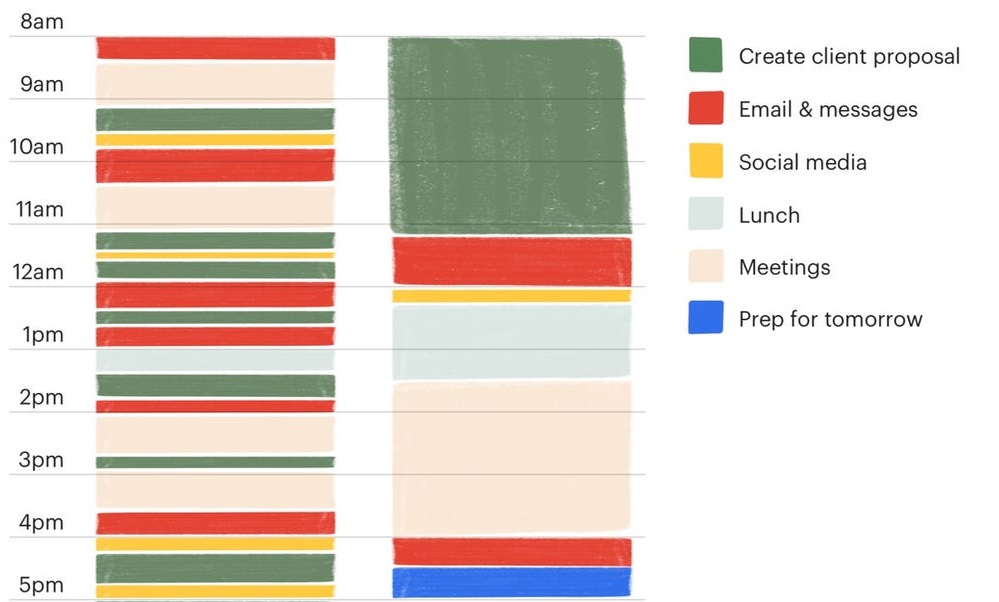
    What It Is: Time blocking involves scheduling dedicated chunks of time for specific tasks or categories of work. Instead of multitasking, you focus intensely on one task during a set period.

    Pros:

    • Reduces context switching, leading to more focus.
    • Helps prevent burnout by scheduling breaks and work boundaries.
    • Gives a clear overview of how your day will unfold.

    Cons:

    • Requires discipline and sticking to the schedule.
    • Unexpected events may force you to rearrange blocks

    How to Implement: Use a digital calendar or a planner to block out chunks of time for key project activities—e.g., team meetings, deep work sessions, and communication with stakeholders.

    2. Prioritization (Eisenhower Matrix)

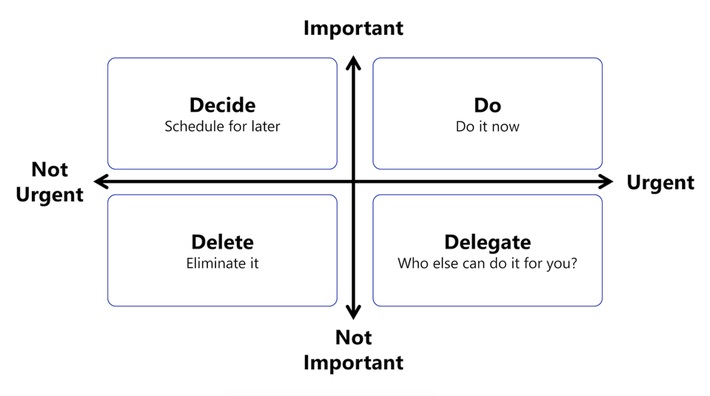
    What It Is: Prioritization frameworks like the Eisenhower Matrix allow you to categorize tasks into four quadrants based on urgency and importance:

    • Urgent and Important (Do first)
    • Important, Not Urgent (Schedule)
    • Urgent, Not Important (Delegate)
    • Not Urgent, Not Important (Eliminate)

    Pros:

    • Ensures you focus on high-impact tasks.
    • Helps you delegate less important tasks.
    • Encourages eliminating unnecessary work.

    Cons:

    • Takes time to categorize tasks correctly.
    • May overlook tasks that could evolve into high-priority issues.

    How to Implement: Review your to-do list daily and categorize each task based on urgency and importance. Focus on high-priority tasks early in the day.

    3. Pomodoro Technique

    What It Is: A time-management method where you work in 25-minute intervals (Pomodoros) with 5-minute breaks in between. After four sessions, take a longer break.

    Pros:

    • Encourages focused work while preventing burnout.
    • Forces regular short breaks to refresh your mind.
    • Can make overwhelming tasks seem more manageable.

    Cons:

    • Not ideal for tasks requiring deep, prolonged concentration.
    • Interruptions can break the flow, making it hard to resume the Pomodoro session.

    How to Implement: Use a timer to break work into Pomodoros. Adjust the work intervals if necessary (e.g., 25 minutes of work followed by a 5-minute break).

    4. The Two-Minute Rule

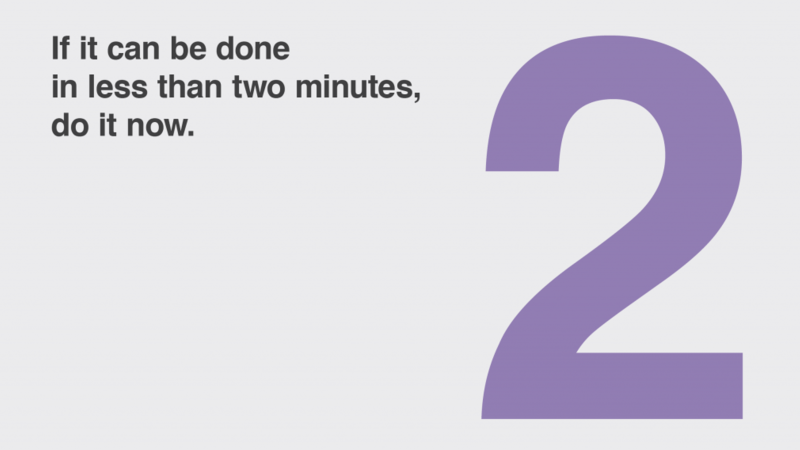
    What It Is: If a task takes less than two minutes, do it immediately. This method is part of the Getting Things Done (GTD) system and helps prevent small tasks from accumulating.

    Pros:

    • Quickly clears low-effort tasks off your list.
    • Keeps your task list leaner and more focused.

    Cons:

    • Overusing this method can distract from larger, more important tasks.
    • Not suitable for complex tasks or deep work sessions.

    How to Implement: Regularly review your task list and immediately handle any tasks that take less than two minutes. For larger tasks, schedule time to complete them.

    5. Batching Tasks

    What It Is: Batching involves grouping similar tasks (like replying to emails, updating project statuses, or doing administrative work) into one block of time, reducing task-switching fatigue.

    Pros:

    • Increases efficiency by handling repetitive tasks together.
    • Minimizes distractions from switching between different types of work.

    Cons:

    • Some tasks may not fit neatly into a batch.
    • Requires careful scheduling to avoid task pile-ups.

    How to Implement: Identify recurring tasks that can be batched and schedule them into specific time blocks (e.g., answering emails twice a day instead of checking constantly).

    Pros and Cons of These Methods:

    Pros:

    • Greater productivity and focus by minimizing multitasking.
    • More structured workdays with dedicated time for priority tasks.
    • Less mental fatigue by grouping similar tasks or using time-based intervals like Pomodoros.

    Cons:

    • These methods require discipline and consistency to maintain.
    • Unexpected events can disrupt carefully planned schedules.
    • Some methods, like time blocking or task batching, can feel restrictive if not implemented flexibly.
    Implementation Plan:

    Step 1: Choose Your Core Method
    Start by picking one method that resonates with your work style. For example, if you struggle with multitasking, begin with time blocking. If decision-making is the challenge, start with prioritization using the Eisenhower Matrix.

    Step 2: Set Up Your Tools
    Utilize digital calendars, task management apps, or even simple spreadsheets to organize your time and tasks. Tools like Asana, Trello, or Google Calendar can make time blocking, task batching, and prioritization easier to manage.

    Step 3: Begin Small, Then Scale
    Start by implementing your chosen technique for just one or two days a week. Once you get comfortable, scale it to more days and integrate additional methods like Pomodoros or task batching.

    Step 4: Review and Adjust
    At the end of each week, review your time management strategy. What worked? What didn’t? Adjust your approach to suit your work style, priorities, and project demands.

    Scaling Time Management for Maximum Efficiency

    Mastering time management takes practice, but the rewards are clear. By implementing a mix of strategies like time blocking, prioritization, and batching, you can significantly enhance your productivity while maintaining a healthy work-life balance. Start small, be consistent, and scale your approach as your comfort grows — soon, you’ll find that you’re getting more done in less time, with less stress.