
Tag: projectmanager

  • Tough Lessons in Project Management: What ‘If You’re Gonna Be Stupid, You Gotta Be Tough’ Teaches Us About Leadership

    Tough Lessons in Project Management: What ‘If You’re Gonna Be Stupid, You Gotta Be Tough’ Teaches Us About Leadership

    It’s a phrase that’s equal parts funny, blunt, and uncomfortably true: “If you’re gonna be stupid, you gotta be tough.” Popularized by author John Grisham, this quote has become a tongue-in-cheek anthem for everyone who’s ever learned something the hard way. While it might sound like the punchline to a bar story, it’s also quietly profound—especially if you’re managing complex projects, tight timelines, and high-stakes outcomes.

    Let’s be honest: in project management, no matter how skilled you are, mistakes happen. Bad calls are made. Sometimes you skip a process to save time, only to watch things go sideways weeks later. In those moments, toughness isn’t a bonus—it’s a survival skill.

    In this article, we’ll explore what this gritty little quote can teach us about leadership, accountability, and how to build teams that get stronger with every challenge.

    What the Quote Really Means

    On the surface, “If you’re gonna be stupid, you gotta be tough” is a jab at people who make reckless choices and then suffer the consequences. But let’s break it down:

    “Stupid” doesn’t necessarily mean intellectually lacking — it often means acting without foresight, rushing decisions, or ignoring best practices. “Tough” means resilient, adaptive, and strong enough to fix the mess you created without giving up.

    It’s not just about enduring pain. It’s about learning fast, bouncing back, and owning your part in what went wrong. In the project management world, that mindset is priceless.

    5 Project Management Lessons Hidden in the Quote
    1. Risk Ignored is Pain Deferred

    We’ve all been tempted to fast-track a project by skipping the risk register or brushing off stakeholder alignment. After all, what’s the worst that could happen?

    Plenty.

    When we ignore potential risks, we’re not eliminating them — we’re simply deferring the pain. A minor oversight in the early stages can balloon into a full-blown crisis in execution. The tough project manager isn’t just a fire-fighter; they’re a risk-spotter who prevents the fire in the first place.

    Pro tip: Build in a “pre-mortem” at project kickoff. Ask your team, “If this project failed six months from now, what went wrong?” Then plan to prevent those scenarios.

    2. Toughness is a Core Competency

    Every project faces bumps: budget overruns, vendor delays, last-minute scope changes. What separates good PMs from great ones is how they handle adversity.

    Toughness doesn’t mean powering through with brute force. It means staying calm under pressure, navigating politics with grace, and keeping the team focused when things go wrong. It’s about emotional resilience, not ego.

    When the pressure’s on, your team will look to you. Be the calm in the storm.

    3. Don’t Confuse Hustle with Strategy

    Too many project managers wear their stress as a badge of honor — working nights, sending emails at 2 a.m., fixing problems caused by bad planning.

    That’s not leadership. That’s burnout.

    Being “tough” shouldn’t be about cleaning up after poor decisions. It should be about preventing them with smart strategy and clear priorities. Hustle is overrated if it’s compensating for a lack of structure.

    Remember: Your job isn’t to suffer through the chaos. It’s to design a system that avoids chaos in the first place.

    4. Own Your Mistakes Publicly and Early

    Project leaders who try to hide or deflect mistakes often create a toxic culture of blame. The best PMs do the opposite: they own their decisions, admit errors early, and invite their teams into the solution.

    This creates trust, accelerates course correction, and models what real accountability looks like.

    Toughness isn’t about pretending to be perfect. It’s about being honest and brave enough to lead through imperfection.

    5. Learn Fast or Repeat Pain

    Pain is a great teacher — if you let it be.

    After every project (especially the messy ones), carve out time for a “lessons learned” session. Not just to document what went wrong, but to implement changes in your process, team culture, or decision-making criteria.

    Every mistake is a tuition payment. Make sure you get your degree.

    Tools to Prevent ‘Stupid’ Decisions

    The good news? We’re not at the mercy of trial and error. Project management offers powerful tools to reduce the “stupid” and strengthen the “tough”:

    1. RAID Logs (Risks, Assumptions, Issues, Dependencies): Keep your threats visible and manageable.
    2. Decision Logs: Track why certain paths were chosen — it helps defend your logic later and improve future calls.
    3. Stakeholder Maps: Identify who needs to be involved before surprises happen.
    4. Psychological Safety: Create a culture where team members can challenge bad decisions before they turn into costly problems.
    5. Retrospectives: Don’t just look back — plan forward with the insights gained.
    The Upside: Why Toughness Builds Legendary PMs

    We tend to remember great project managers not for their smoothest projects, but for how they handled the toughest ones. When the stakes were high, the budget was low, and everything went wrong — they showed up with calm, clarity, and courage.

    Toughness, in this sense, isn’t brute strength. It’s emotional intelligence, proactive leadership, and the refusal to let a bad day become a bad outcome.

    Every crisis you manage well increases your influence and trust capital. Toughness is the seed of leadership growth.

    Closing Thoughts: Embrace the Quote, But Don’t Live By It

    The quote “If you’re gonna be stupid, you gotta be tough” should make you laugh — but also think. Yes, it’s a reminder that toughness is vital. But the real win is minimizing the “stupid” decisions through systems, foresight, and humility.

    Don’t make toughness your only strategy. Make preparation, reflection, and clarity your daily habits — and let toughness be your last line of defense, not your first.

    Call to Action

    Think back to your last project misstep — what would’ve helped you avoid it? A clearer plan? A stronger team conversation? A simple checklist?

    Take one step today to tighten your process — and make life a little less tough down the road.
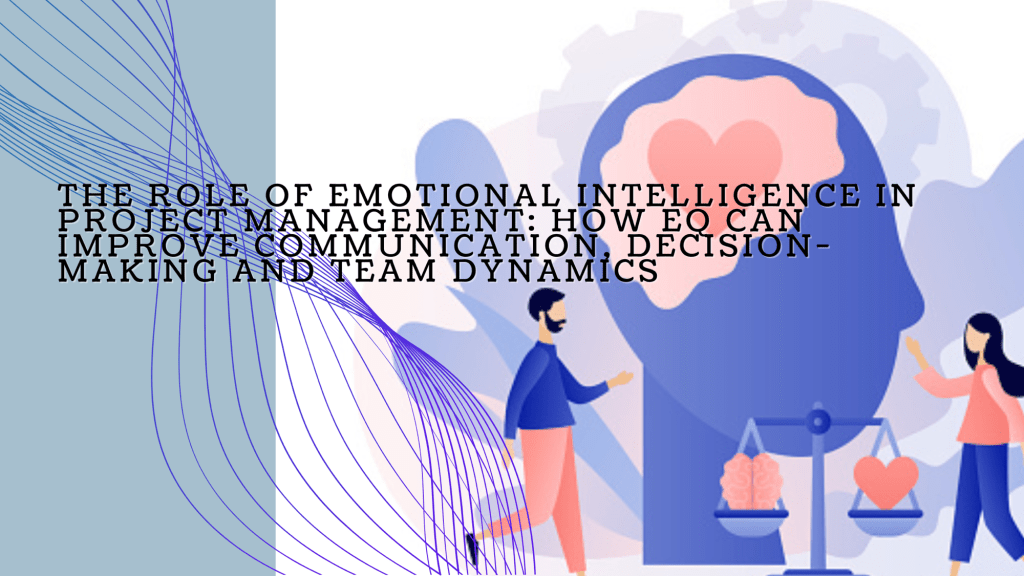
  • The Role of Emotional Intelligence in Project Management: How EQ Can Improve Communication, Decision-Making, and Team Dynamics

    The Role of Emotional Intelligence in Project Management: How EQ Can Improve Communication, Decision-Making, and Team Dynamics

    In today’s fast-paced business environment, project management isn’t just about meeting deadlines, managing budgets, or following methodologies—it’s about managing people. The ability to connect with team members, foster trust, and navigate the complexities of human emotions is critical for success. This is where emotional intelligence (EQ) comes into play.

    What is Emotional Intelligence?

    Emotional intelligence refers to the ability to recognize, understand, and manage our own emotions while being attuned to the emotions of others. It consists of five core components:

    1. Self-awareness: Recognizing one’s emotions and their impact on others.
    2. Self-regulation: Managing emotions in a healthy way and controlling impulses.
    3. Motivation: Staying committed to goals with resilience and a positive attitude.
    4. Empathy: Understanding the feelings and needs of others.
    5. Social skills: Building strong interpersonal relationships, managing conflict, and working effectively within a team.
    Why is EQ Critical in Project Management?

    While technical expertise and organizational skills are important, emotional intelligence can elevate a project manager’s ability to lead. Let’s dive into how EQ influences communication, decision-making, and team dynamics.

    1. Improved Communication

    A project manager with high emotional intelligence excels in active listening, non-verbal communication, and empathy. When you’re attuned to your team’s emotions and individual personalities, you can tailor your communication style to meet their needs. For example, some team members might need detailed instructions, while others work better with creative freedom. EQ helps you discern these needs and communicate in a way that makes everyone feel heard and valued.

    Example: In a high-stress situation, a project manager with high EQ will notice when a team member is overwhelmed, responding with empathy by offering support, adjusting deadlines, or redistributing tasks. This builds trust and keeps communication channels open, preventing small issues from escalating into larger conflicts.

    2. Better Decision-Making

    Decision-making is at the heart of project management, and it often involves managing conflicting priorities, expectations, and personalities. EQ enables project managers to approach decisions holistically, considering both data and human factors.

    Emotionally intelligent managers can distinguish between rational, emotional, and instinctive responses in themselves and others. This helps them make more objective decisions and remain calm under pressure. Moreover, EQ fosters collaborative decision-making, where input from the entire team is valued.

    Example: Suppose there’s a conflict between two departments about resource allocation. A project manager with high EQ would empathize with both sides, facilitating a discussion that acknowledges everyone’s concerns and leads to a solution that balances the project’s needs with team dynamics.

    3. Enhanced Team Dynamics

    High emotional intelligence allows project managers to build stronger, more cohesive teams. When people feel understood and supported, they’re more likely to trust each other and work well together. Empathy and social skills help managers navigate team conflicts and personality clashes, leading to a more harmonious work environment.

    Emotionally intelligent leaders also recognize each team member’s strengths and weaknesses, enabling them to assign tasks that play to individual capabilities. This not only boosts morale but also increases productivity.

    Example: In a situation where tensions arise between a perfectionist and a more pragmatic team member, a project manager with high EQ can mediate by helping both parties understand each other’s perspectives, thus fostering collaboration rather than competition.

    The Benefits of Emotional Intelligence in Project Management
    1. Increased Team Cohesion: Empathy and understanding build trust, reducing misunderstandings and conflicts.
    2. Higher Employee Engagement: A project manager who listens and values emotional input creates a positive atmosphere, increasing motivation and job satisfaction.
    3. Improved Conflict Resolution: Emotional intelligence helps resolve conflicts quickly and effectively, keeping projects on track.
    4. Better Stakeholder Management: EQ allows project managers to navigate stakeholder relationships diplomatically, balancing expectations with realistic project outcomes.
    5. More Resilient Teams: With a focus on emotional well-being, project managers can help their teams stay resilient in the face of challenges, reducing burnout and turnover.
    How to Improve Emotional Intelligence as a Project Manager

    Improving your emotional intelligence isn’t a one-time effort—it’s an ongoing process that involves self-awareness, reflection, and practical application. Here are some steps to help you develop EQ as a project manager:

    1. Practice Self-Awareness: Regularly check in with your emotions and analyze how they affect your decisions and interactions. Mindfulness techniques, such as meditation or journaling, can help you become more attuned to your emotional states.
    2. Develop Empathy: Make a conscious effort to understand your team members’ perspectives. Ask open-ended questions and listen actively, without jumping to conclusions or offering solutions prematurely.
    3. Manage Stress Effectively: Project management comes with high-pressure situations. Practice stress-management techniques like deep breathing, regular exercise, or mindfulness to regulate your emotions during difficult times.
    4. Seek Feedback: Regularly ask for feedback from your team and stakeholders on your leadership style and communication. This will help you identify areas for improvement in your EQ.
    5. Invest in Team-Building: Take time to strengthen relationships within your team. Team-building activities and open discussions can foster a deeper understanding of individual personalities and improve collaboration.
    Implementing Emotional Intelligence in Your Projects

    Once you’ve developed your emotional intelligence, the next step is to implement it in your project management practices:

    • Start with small changes. Pay attention to emotional cues in meetings and adjust your communication style accordingly. Use empathetic language and show that you’re open to feedback.
    • Lead by example. Your team will mirror your behavior. When they see you managing emotions calmly, listening actively, and treating others with respect, they’re more likely to follow suit.
    • Create a safe emotional space. Encourage your team to voice their concerns and emotions without fear of judgment. Open communication will allow you to address issues before they escalate.
    • Promote emotional well-being. Be proactive about managing stress in your team. Regular check-ins, providing mental health resources, and setting realistic deadlines can all contribute to a healthier work environment.
    Conclusion: The Emotional Intelligence Edge

    Emotional intelligence is more than just a soft skill—it’s a crucial leadership asset that enhances communication, decision-making, and team dynamics in project management. By cultivating and applying EQ in your daily interactions, you’ll not only manage projects more effectively but also foster a more collaborative and motivated team environment. Invest in developing your emotional intelligence, and you’ll see the positive effects ripple through your projects, stakeholders, and teams.

  • How AI Might Be Revolutionizing Project Management

    How AI Might Be Revolutionizing Project Management

    We’re living in an age where the buzzwords of yesterday are quickly becoming the business tools of today. Artificial Intelligence (AI) is no longer the realm of sci-fi; it’s rapidly embedding itself into the fabric of how we work, particularly in project management. For project managers, staying ahead of deadlines, managing resources, and navigating unexpected curveballs are all part of the job. But what if AI could turn these challenges into opportunities, offering smarter ways to predict risks, optimize schedules, and enhance decision-making?

    The Rise of AI-Powered Tools in Project Management

    Imagine starting your day, not with an overwhelming task list, but with a smart assistant that has already analyzed your team’s workload, anticipated bottlenecks, and provided optimized solutions. Sounds like magic, right? Well, welcome to the age of AI in project management.

    AI-powered tools are transforming the way projects are planned and executed by automating tedious processes and offering insights that would take a human brain hours, if not days, to generate.

    1. Predicting Risks Before They Become Problems

    One of the most powerful capabilities of AI in project management is risk prediction. Through machine learning algorithms, AI can scan historical data from previous projects, identify patterns, and predict potential risks before they happen. Whether it’s budget overruns, team burnout, or supplier delays, AI tools can flag issues early on and even suggest mitigation strategies. This enables project managers to not only react faster but, in many cases, avoid crises altogether.

    In essence, AI helps project managers move from firefighting mode to a proactive stance, ensuring smoother operations and happier teams.

    2. Optimizing Schedules Like Never Before

    Who hasn’t had the headache of adjusting timelines when a project starts veering off course? Traditional scheduling tools are static and often feel like they’re working against you when changes occur. Enter AI scheduling optimizers—these dynamic tools don’t just plan a project based on input; they continuously learn and adapt.

    AI-powered schedulers factor in every imaginable variable—resource availability, task dependencies, weather conditions (in some cases), and even team member efficiency. These tools dynamically adjust schedules in real time, providing the project manager with the most efficient path forward. You’ll spend less time adjusting timelines and more time focusing on high-impact decisions.

    3. Enhanced Decision-Making With Data-Driven Insights

    AI doesn’t just help automate tasks; it supercharges decision-making by offering data-backed insights that help project managers make smarter choices. Have you ever been stuck choosing between two suppliers or debating which team member is best suited for a task? AI can assess numerous factors—from past performance to project-specific needs—and recommend the best course of action.

    By processing massive amounts of data that no human could possibly analyze on their own, AI helps cut through the noise and provides actionable, informed advice. Think of it as having a project mentor that’s always available, always learning, and always improving.

    The Human Touch: AI as Your Co-Pilot, Not Your Replacement

    Before we start imagining a future where robots run our projects, let’s clear one thing up — AI is not here to replace project managers. Far from it. In fact, AI’s greatest strength lies in enhancing the human element. By automating mundane tasks, predicting problems, and providing data-driven insights, AI frees up project managers to focus on what truly matters: leading, inspiring, and making judgment calls that only a human can make.

    At its core, AI is a co-pilot, guiding you through complex project landscapes, allowing you to work smarter, not harder.

    Practical AI Tools for Project Managers Today

    So, how can you harness this revolution today? Thankfully, you don’t need to be a tech guru to integrate AI into your daily workflow. Here’s a checklist to get started:

    AI Checklist for Project Managers:
    1. Risk Prediction Tools: Start using platforms like Oracle Primavera or RiskLens that leverage AI to predict project risks and suggest mitigation strategies.
    2. AI-Driven Scheduling: Explore tools like Monday.com or ClickUp with AI scheduling assistants that adapt your timelines based on real-time project updates.
    3. Resource Management: Implement tools like Toggl Plan or Resource Guru, which use AI to optimize resource allocation and ensure teams aren’t overburdened.
    4. Automated Reporting: Tools like Wrike or Zoho Projects can generate AI-based reports that highlight key insights and trends, helping you make faster decisions.
    5. Chatbots for Collaboration: Integrate AI chatbots (like Trello Bots or Slack’s Workbot) to manage tasks, set reminders, and facilitate smoother communication within your team.
    6. AI-Enhanced Decision Support: Consider tools like GiniMachine for data-backed decision-making, providing recommendations based on previous project data.
    7. AI-Driven Analytics: Use AI-based analytics platforms like Smartsheet or Microsoft Project to visualize project performance and make data-driven adjustments.
    In Conclusion

    AI is no longer just a futuristic concept — it’s here, and it’s changing the way projects are managed. By embracing AI-powered tools, project managers can predict risks before they happen, optimize their schedules, and make better, faster decisions. Best of all, AI helps you focus on what really matters: leading your team to success.

    The future of project management is bright — and it’s AI-powered.

  • Mastering the Art of a Project Kick-Off: Your Blueprint for Success

    Mastering the Art of a Project Kick-Off: Your Blueprint for Success

    A project kick-off meeting is like the launchpad of a rocket — everything needs to be perfectly aligned for a smooth takeoff. This pivotal moment sets the stage for the entire project, making it crucial to get it right from the start. Whether you’re launching a new product, implementing a software solution, or planning an event, a well-executed kick-off meeting can ignite momentum, foster collaboration, and lay down the foundation for success. Let’s dive into the steps for preparing and conducting an impactful kick-off meeting, explore the skills every project manager needs to shine, and consider how the meeting format — whether in-person, hybrid, or remote — can influence the outcome.

    1. Setting the Stage: How to Prepare Like a Pro
    Get to Know Your Project Inside Out

    Imagine trying to sell a product you barely know. Impossible, right? The same goes for your project. Before the kick-off meeting, immerse yourself in the project’s scope, objectives, deliverables, timeline, and stakeholders. Picture yourself as the project’s ambassador—your job is to articulate the vision so clearly that everyone in the room buys into it.

    Craft a Crystal-Clear Agenda

    A kick-off meeting without an agenda is like a road trip without a map—you might get somewhere, but it won’t be where you intended. Your agenda is your navigation tool. It should be straightforward, covering:

    • Welcome and introductions: Start on a warm note.
    • Project overview: Lay out the mission and the vision.
    • Roles and responsibilities: Who’s doing what?Timeline and milestones: When’s it all happening?
    • Communication plan: How will you stay in touch?
    • Risk management: What could go wrong, and how will you handle it?
    • Q&A session: Time to address any uncertainties.

    Share this agenda with all participants well in advance, so they come prepared.

    Engage Key Stakeholders Early

    Ever heard the saying, “An ounce of prevention is worth a pound of cure”? Engaging stakeholders before the kick-off can save you from potential roadblocks later on. Reach out to understand their expectations, concerns, and any key insights they might have. This will help you tailor the meeting to address their needs and ensure their buy-in from the get-go.

    Set Up for Success: Tools and Materials

    Depending on whether your meeting is in-person, hybrid, or remote, make sure you have all the necessary tools in place. For an in-person meeting, book a comfortable room, prepare any visuals, and ensure technical equipment is ready to go. For hybrid or remote meetings, ensure your video conferencing software is reliable, test the internet connection, and distribute all digital materials ahead of time.

    Communicate the Why

    Don’t just invite people — sell them on the importance of the kick-off. Explain why this meeting matters, what you hope to achieve, and why their participation is critical. This builds anticipation and ensures that everyone comes ready to contribute.

    2. Running the Show: Conducting a Kick-Off Meeting That Energizes Your Team
    Kick Off with Energy and Enthusiasm

    Start your meeting with a positive, welcoming introduction. If you can infuse some excitement, do it—your energy sets the tone for the rest of the session. Think of it like warming up before a big game; it gets everyone in the right mindset.

    Make the Project Overview Engaging

    Don’t just read off a slide—tell a story. Share the project’s background, its importance, and what success will look like. Use visuals, real-world examples, or analogies to make the information relatable and engaging.

    Clarify Roles with Precision

    Avoid the dreaded “it’s not my job” scenario by clearly defining roles and responsibilities. Go around the room (or the virtual room) and make sure everyone knows who’s responsible for what. This clarity helps prevent overlap and ensures that all tasks are covered.

    Timeline and Milestones: The Roadmap to Success

    Present the timeline in a way that’s easy to digest. Break it down into key milestones and emphasize any critical paths or dependencies. This not only helps the team understand the schedule but also underscores the importance of meeting deadlines.

    Nail Down the Communication Plan

    Communication can make or break a project. Explain how you’ll keep everyone in the loop — whether it’s through weekly check-ins, status reports, or a project management tool like Trello or Asana. The goal is to ensure that information flows smoothly and that everyone knows where to go for updates.

    Address Risks Head-On

    No project is without risks, but by addressing them upfront, you can prevent them from derailing your efforts. Encourage the team to voice any concerns and work together to brainstorm solutions. This proactive approach builds confidence and fosters a problem-solving mindset.

    Foster Engagement and Open Dialogue

    Throughout the meeting, encourage participation. Ask questions, invite feedback, and make sure everyone’s voice is heard. This not only builds engagement but also helps surface any issues that need to be addressed before they become bigger problems.

    Wrap Up with a Bang: Summary and Next Steps

    End your meeting with a clear summary of what was discussed and what comes next. Reinforce the key takeaways, and make sure everyone knows what their immediate tasks are. This ensures that the momentum from the meeting carries forward into action.

    3. The Project Manager’s Secret Sauce: Must-Have Skills for a Standout Kick-Off

    To deliver a kick-off meeting that’s both effective and inspiring, you’ll need to bring your A-game in several key areas:

    • Communication: The Glue That Holds It All Together
      Your ability to communicate clearly and persuasively is critical. You need to convey complex information in a way that’s easy to understand, while also inspiring and motivating your team.
    • Organization: Keeping It All Together
      A successful kick-off meeting is a well-organized one. From the agenda to the follow-up, your ability to keep everything on track is crucial. Good organization shows your team that you’re in control and that the project is in capable hands.
    • Leadership: Guiding the Team to Victory
      As the project manager, you’re the captain of the ship. Your leadership skills—how you motivate, manage, and guide your team—are key to setting the project off on the right foot.
    • Emotional Intelligence: The People Factor
      Projects are about people as much as they are about tasks. Understanding and managing emotions, both yours and your team’s, helps in resolving conflicts, building trust, and maintaining a positive work environment.
    • Tech Savvy: Leveraging Tools for Success
      Whether it’s project management software or video conferencing tools, being comfortable with technology is essential. The better you are at using these tools, the smoother your kick-off meeting will run, especially in hybrid or remote settings.
    4. In-Person, Hybrid, or Remote? Tailoring Your Approach for Each Format
    • In-Person Meetings: Leveraging Face-to-Face Interaction
      In-person kick-offs are great for building rapport and trust. They allow for spontaneous interaction and easier collaboration. For these meetings, make sure the environment is conducive to open discussion and that all necessary materials are at hand.
    • Hybrid Meetings: Bridging the Gap
      Hybrid meetings require careful planning to ensure that both in-person and remote participants feel equally included. Invest in good technology—like high-quality microphones and cameras—and make sure everyone has access to the same information. Facilitation skills are particularly important here to maintain balance.
    • Remote Meetings: Keeping the Virtual Energy High
      Remote kick-offs are convenient and flexible but can be challenging in terms of engagement. Use interactive tools like polls or breakout rooms to keep participants involved. Be mindful of time zones, and consider recording the meeting for anyone who can’t attend live.
    5. Your Kick-Off Meeting Checklist

    To help you ace your next project kick-off, here’s a handy checklist:

    1. Understand the Project: Know your project’s ins and outs.
    2. Craft a Clear Agenda: Structure your meeting with a focused agenda.
    3. Engage Stakeholders: Get buy-in before the meeting.
    4. Set Up Tools and Materials: Prepare all necessary tools and materials.
    5. Communicate the Purpose: Make sure everyone knows why the meeting matters.
    6. Start Strong: Begin with a positive, energizing introduction.
    7. Present Clearly: Make the project overview engaging and easy to understand.
    8. Clarify Roles: Ensure everyone knows their responsibilities.
    9. Discuss Timeline: Break down key milestones and deadlines.
    10. Outline Communication: Explain how you’ll keep in touch.
    11. Address Risks: Discuss potential risks and mitigation strategies.
    12. Encourage Participation: Make sure everyone’s voice is heard.
    13. Summarize and Assign Next Steps: End with clear action items.

    With this guide and checklist in hand, you’re well on your way to conducting a project kick-off meeting that not only sets the project up for success but also energizes and aligns your team from the very start. Good luck, and go lead that project to victory!