Tag: self-optimization

  • Tough Lessons in Project Management: What ‘If You’re Gonna Be Stupid, You Gotta Be Tough’ Teaches Us About Leadership

    Tough Lessons in Project Management: What ‘If You’re Gonna Be Stupid, You Gotta Be Tough’ Teaches Us About Leadership

    It’s a phrase that’s equal parts funny, blunt, and uncomfortably true: “If you’re gonna be stupid, you gotta be tough.” Popularized by author John Grisham, this quote has become a tongue-in-cheek anthem for everyone who’s ever learned something the hard way. While it might sound like the punchline to a bar story, it’s also quietly profound—especially if you’re managing complex projects, tight timelines, and high-stakes outcomes.

    Let’s be honest: in project management, no matter how skilled you are, mistakes happen. Bad calls are made. Sometimes you skip a process to save time, only to watch things go sideways weeks later. In those moments, toughness isn’t a bonus—it’s a survival skill.

    In this article, we’ll explore what this gritty little quote can teach us about leadership, accountability, and how to build teams that get stronger with every challenge.

    What the Quote Really Means

    On the surface, “If you’re gonna be stupid, you gotta be tough” is a jab at people who make reckless choices and then suffer the consequences. But let’s break it down:

    “Stupid” doesn’t necessarily mean intellectually lacking — it often means acting without foresight, rushing decisions, or ignoring best practices. “Tough” means resilient, adaptive, and strong enough to fix the mess you created without giving up.

    It’s not just about enduring pain. It’s about learning fast, bouncing back, and owning your part in what went wrong. In the project management world, that mindset is priceless.

    5 Project Management Lessons Hidden in the Quote
    1. Risk Ignored is Pain Deferred

    We’ve all been tempted to fast-track a project by skipping the risk register or brushing off stakeholder alignment. After all, what’s the worst that could happen?

    Plenty.

    When we ignore potential risks, we’re not eliminating them — we’re simply deferring the pain. A minor oversight in the early stages can balloon into a full-blown crisis in execution. The tough project manager isn’t just a fire-fighter; they’re a risk-spotter who prevents the fire in the first place.

    Pro tip: Build in a “pre-mortem” at project kickoff. Ask your team, “If this project failed six months from now, what went wrong?” Then plan to prevent those scenarios.

    2. Toughness is a Core Competency

    Every project faces bumps: budget overruns, vendor delays, last-minute scope changes. What separates good PMs from great ones is how they handle adversity.

    Toughness doesn’t mean powering through with brute force. It means staying calm under pressure, navigating politics with grace, and keeping the team focused when things go wrong. It’s about emotional resilience, not ego.

    When the pressure’s on, your team will look to you. Be the calm in the storm.

    3. Don’t Confuse Hustle with Strategy

    Too many project managers wear their stress as a badge of honor — working nights, sending emails at 2 a.m., fixing problems caused by bad planning.

    That’s not leadership. That’s burnout.

    Being “tough” shouldn’t be about cleaning up after poor decisions. It should be about preventing them with smart strategy and clear priorities. Hustle is overrated if it’s compensating for a lack of structure.

    Remember: Your job isn’t to suffer through the chaos. It’s to design a system that avoids chaos in the first place.

    4. Own Your Mistakes Publicly and Early

    Project leaders who try to hide or deflect mistakes often create a toxic culture of blame. The best PMs do the opposite: they own their decisions, admit errors early, and invite their teams into the solution.

    This creates trust, accelerates course correction, and models what real accountability looks like.

    Toughness isn’t about pretending to be perfect. It’s about being honest and brave enough to lead through imperfection.

    5. Learn Fast or Repeat Pain

    Pain is a great teacher — if you let it be.

    After every project (especially the messy ones), carve out time for a “lessons learned” session. Not just to document what went wrong, but to implement changes in your process, team culture, or decision-making criteria.

    Every mistake is a tuition payment. Make sure you get your degree.

    Tools to Prevent ‘Stupid’ Decisions

    The good news? We’re not at the mercy of trial and error. Project management offers powerful tools to reduce the “stupid” and strengthen the “tough”:

    1. RAID Logs (Risks, Assumptions, Issues, Dependencies): Keep your threats visible and manageable.
    2. Decision Logs: Track why certain paths were chosen — it helps defend your logic later and improve future calls.
    3. Stakeholder Maps: Identify who needs to be involved before surprises happen.
    4. Psychological Safety: Create a culture where team members can challenge bad decisions before they turn into costly problems.
    5. Retrospectives: Don’t just look back — plan forward with the insights gained.
    The Upside: Why Toughness Builds Legendary PMs

    We tend to remember great project managers not for their smoothest projects, but for how they handled the toughest ones. When the stakes were high, the budget was low, and everything went wrong — they showed up with calm, clarity, and courage.

    Toughness, in this sense, isn’t brute strength. It’s emotional intelligence, proactive leadership, and the refusal to let a bad day become a bad outcome.

    Every crisis you manage well increases your influence and trust capital. Toughness is the seed of leadership growth.

    Closing Thoughts: Embrace the Quote, But Don’t Live By It

    The quote “If you’re gonna be stupid, you gotta be tough” should make you laugh — but also think. Yes, it’s a reminder that toughness is vital. But the real win is minimizing the “stupid” decisions through systems, foresight, and humility.

    Don’t make toughness your only strategy. Make preparation, reflection, and clarity your daily habits — and let toughness be your last line of defense, not your first.

    Call to Action

    Think back to your last project misstep — what would’ve helped you avoid it? A clearer plan? A stronger team conversation? A simple checklist?

    Take one step today to tighten your process — and make life a little less tough down the road.
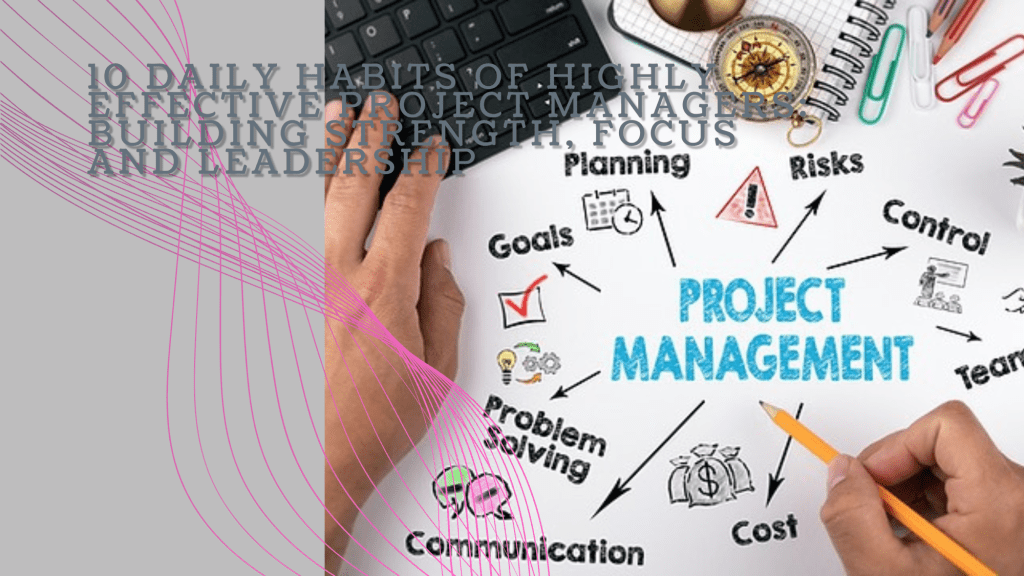
  • 10 Daily Habits of Highly Effective Project Managers: Building Strength, Focus, and Leadership

    10 Daily Habits of Highly Effective Project Managers: Building Strength, Focus, and Leadership

    Imagine this: it’s 5:30 AM, and Mark, a seasoned project manager, is already awake, gearing up for another intense day. His mornings start in the gym—lifting weights, pushing his body to its limits. Mark knows that the mental strength required to manage complex projects starts with physical discipline. Every rep he completes sharpens his focus for the day ahead. But there’s more to Mark’s success than his early morning workout routine. Over time, he’s developed a set of habits that boost his productivity and strengthen his leadership skills.

    Years ago, Sarah, another project manager, found herself constantly overwhelmed. Her days felt like a never-ending scramble, filled with back-to-back meetings and unplanned crises. But like Mark, she discovered the power of daily habits, ones that help her stay organized, calm, and in control. Today, Sarah manages projects with precision, delivering results with confidence. Let’s explore the 10 habits that have helped both Mark and Sarah thrive in their roles.

    1. Start with Physical Strength Training

    Mark’s day begins with physical training. Every morning, he heads to the gym for strength training. This ritual not only keeps him physically fit but also clears his mind. Lifting weights and pushing his body forces him to focus, which translates into sharper decision-making and stress management at work. He knows that a strong body builds a strong mind.

    Sarah, on the other hand, might not lift weights, but she starts her day with yoga and meditation. This calm, mindful practice helps her center herself before diving into the whirlwind of project management. The mental clarity it provides allows her to tackle the day’s challenges with grace and focus. Whether through strength training or yoga, both Mark and Sarah find that starting the day with physical exercise sharpens their mental resilience.

    2. Plan the Night Before

    Sarah’s evenings are just as intentional as her mornings. Before she wraps up her workday, she sets aside time to review her to-do list and plan for tomorrow. By the time she finishes, her mind is clear, and she knows exactly what to tackle first thing in the morning. This habit gives her peace of mind and prevents the morning scramble.

    Similarly, Mark has a habit of laying out his next day’s game plan the night before. He prioritizes key tasks and prepares his workspace, making sure nothing catches him off guard. When he wakes up, he feels in control, knowing that the day’s agenda is set. For both Mark and Sarah, this nightly routine keeps them organized and ready to hit the ground running each day.

    3. Embrace the Two-Minute Rule

    Mark lives by the Two-Minute Rule. If a task can be completed in less than two minutes—whether it’s responding to a quick email or approving a document—he handles it immediately. This habit stops minor tasks from piling up, keeping his workload light and manageable.

    Sarah, too, knows the value of handling quick tasks on the spot. Early in her career, she often felt bogged down by small, unfinished tasks that interrupted her flow. Now, by quickly addressing these minor issues as they arise, she frees up her time and energy for more important, strategic work. Both Mark and Sarah understand that small actions taken immediately prevent future distractions.

    4. Prioritize Deep Work

    Sarah carves out time every day for what she calls her “deep work” sessions. During these hours, she immerses herself in complex tasks that require her full attention—whether it’s strategic planning, reviewing critical reports, or brainstorming solutions. She blocks out distractions, turns off notifications, and focuses entirely on the work that truly matters.

    Mark follows the same principle. His deep work sessions are his most productive times of the day, allowing him to dive into key aspects of his projects without interruptions. He knows that staying in the zone during these moments leads to real progress. For both of them, deep work is where they solve the toughest problems and make the biggest strides.

    5. Leverage the Power of Delegation

    Early in her career, Sarah tried to do everything herself, thinking that being a strong leader meant handling every detail. But as she grew into her role, she learned that effective leadership is about empowering others. Now, she trusts her team to take ownership of their tasks, giving her more time to focus on the bigger picture.

    Mark had a similar realization. Once a hands-on manager who couldn’t let go of control, he now excels at delegating to his team. By trusting them with important responsibilities, he not only lightens his load but also helps his team grow and develop. Both Mark and Sarah have learned that great leaders don’t do it all—they build teams that can.

    6. Communicate with Purpose

    Mark understands the power of clear communication. He’s direct and concise, ensuring that every meeting and conversation serves a purpose. By communicating efficiently, he keeps his team aligned and on track, minimizing misunderstandings and ensuring everyone knows what’s expected.

    Sarah takes a similar approach. Instead of getting bogged down in long, unproductive meetings, she keeps her communication focused and intentional. Whether she’s sending a quick update or leading a strategy session, Sarah makes sure that her words are clear and impactful. Both Mark and Sarah know that effective communication is the key to keeping projects moving smoothly.

    7. Set Aside Time for Reflection

    At the end of each day, Sarah takes a few moments to reflect on her successes and challenges. She asks herself what went well, what could have been done better, and what she learned. This daily reflection helps her continuously improve, making subtle adjustments to her leadership style and project management techniques.

    Mark is no different. He’s made it a habit to end each day by reflecting on his performance. Whether it’s during his drive home or while unwinding after dinner, he considers what worked, where he faced difficulties, and how he can improve tomorrow. For both Sarah and Mark, these moments of reflection provide the self-awareness needed to grow as leaders.

    8. Adopt a Growth Mindset

    Sarah believes that challenges are opportunities to grow. Instead of fearing mistakes, she embraces them as part of the learning process. She’s constantly seeking out new knowledge, attending workshops, reading books, and staying curious. This growth mindset allows her to adapt quickly and stay ahead in a fast-changing environment.

    Mark shares this philosophy. He’s not afraid to push boundaries, experiment with new project management techniques, or ask for feedback. Like Sarah, he understands that continuous learning is the key to staying effective. Both of them know that a growth mindset is essential for long-term success in project management.

    9. Master Time Blocking

    Mark is disciplined about time blocking. He breaks his day into focused chunks—one for meetings, another for deep work, and yet another for handling administrative tasks. This structured approach helps him maximize productivity and prevent his day from being consumed by distractions.

    Sarah also uses time blocking to stay organized. She schedules specific time slots for focused work, meetings, and even personal breaks. By assigning each task its own dedicated block of time, she keeps her day structured and efficient. For both Mark and Sarah, time blocking ensures that their most important work gets the attention it deserves.

    10. End the Day with Gratitude

    At the end of the day, Sarah takes a moment to celebrate her wins. Whether it’s completing a project milestone or simply navigating a challenging conversation, she ends her day by recognizing the progress she and her team have made. This habit keeps her motivated and reminds her of the positive impact she’s having.

    Mark also ends his day on a note of gratitude. He reflects on what went well and appreciates the efforts of his team. Gratitude, he’s found, helps him stay grounded and focused on the bigger picture. Both Mark and Sarah believe that ending the day with appreciation fuels the energy and optimism needed for success.

    Conclusion: A Blueprint for Success

    Mark and Sarah have different approaches, but their success comes from the same core principle: consistent daily habits. These small but powerful routines shape their leadership, boost their productivity, and help them manage projects with confidence and clarity. From physical training to daily reflection, their habits create a strong foundation for growth.

    By adopting these habits, you too can elevate your project management skills and lead with purpose. Success doesn’t happen overnight—it’s built one habit at a time. Like Mark and Sarah, you can create the systems that allow you to thrive, delivering exceptional results in every project you lead.

  • 40 Simple Ideas to Improve Your Life: A Minimalist Guide to Happiness, Satisfaction, Health, and Productivity

    40 Simple Ideas to Improve Your Life: A Minimalist Guide to Happiness, Satisfaction, Health, and Productivity

    As I approach my 40th birthday next week, I’ve been reflecting on ways to simplify and enhance my life in meaningful ways. Turning 40 feels like a milestone, and I want to enter this new decade with a clear focus on what truly matters. With that in mind, I’ve put together a list of 40 simple ideas to boost happiness, satisfaction, health, and productivity. These are small, actionable steps that anyone can take to improve their life immediately.

    1. Declutter Your Space
      • How: Start with one area, like your desk or a single drawer. Remove anything you don’t use regularly or doesn’t bring you joy.
      • Why: A tidy space promotes a clear mind and reduces stress.
    2. Practice Gratitude Daily
      • How: Each morning or before bed, write down three things you’re grateful for.
      • Why: Gratitude shifts focus from what’s lacking to what’s abundant, fostering a positive mindset.
    3. Set Clear Priorities
      • How: List the top three things you want to accomplish each day.
      • Why: Focusing on fewer tasks increases your chances of completing them, leading to a greater sense of achievement.
    4. Drink More Water
      • How: Carry a reusable water bottle and aim to drink a full bottle by lunchtime and refill for the afternoon.
      • Why: Staying hydrated boosts energy levels and supports overall health.
    5. Take a Walk Outside
      • How: Spend at least 10 minutes walking outside each day, preferably in a green space.
      • Why: Nature exposure reduces stress and increases feelings of well-being.
    6. Limit Screen Time
      • How: Set specific times to check your phone or social media, and avoid screens an hour before bed.
      • Why: Reducing screen time improves sleep and frees up time for more meaningful activities.
    7. Simplify Your Wardrob
      • How: Create a capsule wardrobe with a few versatile pieces that you love wearing.
      • Why: Fewer clothing choices reduce decision fatigue and simplify mornings.
    8. Practice Deep Breathing
      • How: Take a few deep breaths in and out when feeling stressed.
      • Why: Deep breathing calms the mind and reduces stress.
    9. Eat Whole Foods
      • How: Incorporate more fruits, vegetables, and whole grains into your meals.
      • Why: Whole foods provide essential nutrients that boost energy and improve health.
    10. Read Daily
      • How: Spend 15 minutes reading a book or article that interests you.
      • Why: Reading stimulates the mind and offers new perspectives.
    11. Say “No” More Often
      • How: Politely decline commitments that don’t align with your priorities.
      • Why: Saying no preserves time and energy for what truly matters.
    12. Practice Mindful Eating
      • How: Eat without distractions, savoring each bite and noticing flavors and textures.
      • Why: Mindful eating improves digestion and satisfaction with meals.
    13. Create a Morning Routine
      • Design a simple, consistent routine that includes activities that set a positive tone for the day.
      • Why: A morning routine grounds you and prepares you for the day ahead.
    14. Get Enough Sleep
      • How: Establish a consistent bedtime and wake-up time, even on weekends.
      • Why: Adequate sleep is crucial for mental and physical health.
    15. Reduce Possessions
      • How: Regularly assess and donate or discard items you no longer need.
      • Why: Fewer possessions lead to less clutter and more focus on what’s important.
    16. Connect with Loved Ones
      • How: Make time for regular conversations or visits with friends and family.
      • Why: Strong relationships are key to happiness and fulfillment.
    17. Practice Meditation
      • How: Start with just five minutes of sitting quietly, focusing on your breath.
      • Why: Meditation reduces stress and increases mindfulness.
    18. Limit Caffeine Intake
      • How: Gradually reduce coffee or energy drink consumption, especially in the afternoon.
      • Why: Less caffeine can improve sleep quality and reduce anxiety.
    19. Practice Single-tasking
      • How: Focus on completing one task at a time before moving to the next.
      • Why: Single-tasking improves productivity and the quality of your work.
    20. Unsubscribe from Unnecessary Emails
      • How: Take a few minutes to unsubscribe from newsletters or services you no longer read.
      • Why: A cleaner inbox reduces stress and distraction.
    21. Laugh More
      • How: Watch a funny video or spend time with people who make you laugh.
      • Why: Laughter releases endorphins and reduces stress.
    22. Keep a Journal
      • How: Spend a few minutes each day writing down your thoughts, ideas, or experiences.
      • Why: Journaling helps clarify thoughts and track personal growth.
    23. Simplify Your Finances
      • How: Automate bill payments and set up a budget that’s easy to follow.
      • Why: Simplifying finances reduces stress and helps you stay on track with your goals.
    24. Embrace Minimalist Design
      • How: Simplify your home decor by choosing fewer, more meaningful items.
      • Why: A minimalist environment is calming and aesthetically pleasing.
    25. Practice Forgiveness
      • How: Let go of grudges or past grievances, focusing on moving forward.
      • Why: Forgiveness frees you from negative emotions and promotes inner peace.
    26. Volunteer Your Time
      • How: Find a cause you care about and dedicate a few hours a month to helping out.
      • Why: Volunteering fosters connection and provides a sense of purpose.
    27. Use a Planner
      • How: Write down your tasks, appointments, and goals for the week.
      • Why: A planner helps you stay organized and reduces the stress of trying to remember everything.
    28. Cook Simple, Healthy Meals
      • How: Focus on recipes with few ingredients that you can prepare in under 30 minutes.
      • Why: Simple meals save time and support healthy eating habits.
    29. Practice Self-compassion
      • How: Treat yourself with the same kindness you would a friend when you make mistakes.
      • Why: Self-compassion improves mental health and resilience.
    30. Take Short Breaks
      • How: Set a timer to take a 5-minute break every hour during work.
      • Why: Short breaks improve focus and prevent burnout.
    31. Embrace Minimalism in Technology
      • How: Delete apps you rarely use and organize the remaining ones for easy access.
      • Why: A streamlined phone reduces distraction and increases productivity.
    32. Focus on Experiences, Not Things
      • How: Spend money on activities and experiences rather than material possessions.
      • Why: Experiences create lasting memories and happiness.
    33. Stay Present
      • How: When with others, focus fully on the conversation without distractions.
      • Why: Being present improves relationships and life satisfaction.
    34. Limit News Consumption
      • How: Check the news once a day instead of constantly throughout the day.
      • Why: Limiting news reduces anxiety and frees up time for other activities.
    35. Engage in Creative Activities
      • How: Spend time on a hobby like drawing, writing, or playing music.
      • Why: Creativity enhances problem-solving skills and brings joy.
    36. Take Care of Your Posture
      • How: Sit up straight and stretch regularly if you sit for long periods.
      • Why: Good posture prevents back pain and promotes better breathing.
    37. Cultivate a Growth Mindset
      • How: View challenges as opportunities to learn rather than as setbacks.
      • Why: A growth mindset fosters resilience and continuous improvement.
    38. Simplify Your Social Media
      • How: Unfollow accounts that don’t add value to your life or make you feel inadequate.
      • Why: A curated feed reduces comparison and increases positivity.
    39. Create a Bedtime Ritual
      • How: Develop a calming pre-sleep routine, like reading or meditating, to wind down.
      • Why: A bedtime ritual signals to your body that it’s time to sleep, improving sleep quality.
    40. Practice Minimalist Thinking
      • How: When overwhelmed, focus on what truly matters and let go of the rest.
      • Why: Minimalist thinking reduces stress and helps you make better decisions.
    Final Thoughts

    Improving your life doesn’t have to be complicated. By implementing even a few of these minimalist ideas, you can create positive changes that enhance your happiness, satisfaction, health, and productivity. Start small, and remember that simplicity is often the key to lasting success. Less is indeed more.

  • The Gamification of Work: Boosting Productivity, Happiness, and Reducing Burnout

    The Gamification of Work: Boosting Productivity, Happiness, and Reducing Burnout

    In the relentless pursuit of high performance, many of us find ourselves trapped in a cycle of stress, burnout, and diminishing returns. The modern work environment, with its ceaseless demands and relentless pace, can often feel more like a marathon without a finish line than a fulfilling journey. But what if we could reframe our daily grind into something more engaging, enjoyable, and ultimately more productive? Enter gamification—a powerful tool that can transform the way we approach our work, increase our productivity, and make our professional lives more rewarding.

    What is Gamification?

    Gamification is the process of integrating game-like elements into non-game contexts to motivate and engage people. This concept is rooted in the psychology of reward systems, where incentives like points, badges, leaderboards, and challenges drive behavior by tapping into our intrinsic desire for achievement, recognition, and mastery.

    In the context of work, gamification can make mundane tasks more engaging, help teams stay motivated, and provide a sense of progress and achievement. It’s not about turning work into a game but rather applying the principles that make games enjoyable — such as clear goals, instant feedback, and a sense of progression—to the workplace.

    Why Gamification Works

    The effectiveness of gamification is underpinned by several psychological principles:

    1. Dopamine Response: Completing a challenge or hitting a milestone triggers a dopamine release, the brain’s “feel-good” neurotransmitter. This response reinforces the behavior, making us more likely to continue the activity.
    2. Progressive Mastery: Games often involve leveling up—incremental steps toward mastering a skill or completing a goal. This concept of progressive mastery can be applied to work tasks, breaking down large projects into smaller, manageable chunks with regular rewards.
    3. Social Connectivity: Leaderboards, team challenges, and shared goals tap into our social instincts. Friendly competition and collaboration can boost motivation and create a sense of camaraderie.
    4. Purpose and Autonomy: Gamification can help individuals find a greater sense of purpose in their work by aligning tasks with personal goals and giving them more control over how they achieve these goals.
    Implementing Gamification Across Different Roles

    Let’s explore how knowledge workers, engineers, salespeople, and managers can apply gamification to their daily tasks to improve productivity, find more meaning in their work, boost happiness, and reduce stress.

    1. Project Managers
      Project managers can utilize gamification to enhance team dynamics, streamline project execution, and drive higher levels of engagement and productivity. Here’s how:
      • Milestone Badges and Progress Bars: Implementing visual indicators like milestone badges and progress bars can transform how a team perceives its progress. These elements break down complex projects into tangible, achievable goals, making large tasks feel less overwhelming. As each milestone is reached, the team experiences a sense of accomplishment, which boosts morale and motivates them to continue pushing toward the next goal. This continuous feedback loop helps maintain momentum, reduces the risk of burnout, and keeps everyone aligned with the project’s overall objectives.
      • Points System for Task Completion: A points system that rewards timely task completion and effective problem-solving can significantly enhance team productivity. By earning points for completing tasks on time or resolving issues efficiently, team members are motivated to stay focused and proactive. This system not only helps in meeting deadlines but also encourages employees to take ownership of their responsibilities. The competitive yet collaborative environment fosters a culture of accountability and continuous improvement, ultimately leading to more efficient project delivery and higher-quality outcomes.
      • Friendly Team Challenges: Introducing friendly challenges between different teams or departments can elevate team spirit and drive performance. For example, setting up a competition to see which team can complete their deliverables ahead of schedule or exceed quality standards can inject energy and enthusiasm into the work environment. These challenges promote healthy competition, which can lead to increased collaboration as team members work together to achieve common goals. The sense of camaraderie that develops from these activities not only strengthens team bonds but also enhances overall job satisfaction and loyalty to the project and the organization.
      • Recognition for Effective Management: Recognizing and rewarding effective management practices within the team can be a powerful motivator. By acknowledging team members who excel in leadership roles—such as successfully coordinating a complex task, resolving conflicts, or leading a productive meeting—project managers can encourage the development of leadership skills across the team. This not only empowers individuals but also builds a stronger, more resilient team capable of handling challenges autonomously. Furthermore, this recognition reinforces positive behavior and sets a standard for others to aspire to, contributing to a culture of excellence and continuous development.
    2. Knowledge Workers
      Knowledge workers, such as writers, analysts, and designers, often face the challenge of staying motivated during long, solitary tasks. Here’s how they can gamify their work:
      • Time-Tracking Challenges: Knowledge work often requires sustained focus, but maintaining that focus can be difficult. By using time-tracking tools like Toggl or Clockify, knowledge workers can create personal challenges—such as earning points for every 30-minute block of uninterrupted deep work. These points can be redeemed for small rewards, providing a clear incentive to maintain focus and manage time effectively. This not only boosts productivity but also helps in avoiding distractions and managing work-related stress.
      • Task Completion Badges: Tools like Trello or Asana can be used to assign badges for completing tasks. For example, completing a report might earn you a “Research Master” badge. These badges serve as tangible recognition of progress and achievement, which can be particularly motivating in roles where the end results of one’s work are not immediately visible. Sharing these achievements with a team can also foster a sense of pride and mutual encouragement.
      • Creative Streaks: For creative professionals like writers or designers, maintaining a consistent output can be challenging. Setting up creative streaks, where points are earned for consecutive days of content creation, can create a sense of urgency and motivation to maintain consistency. This not only boosts output but also fosters a habit of regular creativity, which can lead to higher quality work and greater satisfaction in the creative process.
    3. Engineers
      Engineers, particularly those in software development, often work on complex projects that require sustained focus and problem-solving. Gamification can make this process more engaging:
      • Code Challenges and Hackathons: Engineers thrive on problem-solving, and gamification can make this process even more rewarding. Participating in or creating internal hackathons or code challenges where engineers earn points or badges for solving complex problems, debugging efficiently, or contributing to open-source projects can turn routine tasks into exciting challenges. This not only enhances skills but also fosters a culture of continuous learning and innovation.
      • Leveling Up Skills: Platforms like LeetCode, HackerRank, or Codewars allow engineers to practice coding challenges and earn points that help them “level up” in specific skills. This structured progression mirrors the game-like experience of mastering a skill and provides a clear, rewarding path for professional development. It encourages engineers to continuously improve their abilities, which can lead to higher job satisfaction and better performance.
      • Peer Review Leaderboards: Implementing a leaderboard system for peer reviews can encourage thorough and timely feedback. Engineers can earn points based on the number of reviews they complete and the quality of their feedback. This not only motivates engineers to engage more deeply in the review process but also improves the overall quality of code, leading to more efficient and successful projects.
    4. Salespeople
      Sales roles are inherently competitive, making them ideal for gamification. However, the key is to ensure that gamification doesn’t promote unhealthy competition but rather motivates individuals to achieve their best:
      • Quota Quests: Sales quotas can often feel overwhelming, but turning them into quests with multiple stages can make them more manageable and motivating. For example, reaching 50% of a monthly target could unlock a new level, with rewards at each stage. This approach breaks down large goals into more manageable milestones, reducing stress and making progress more visible and satisfying.
      • Leaderboard Dynamics: While traditional sales leaderboards focus solely on sales figures, incorporating additional metrics like client satisfaction or lead generation can provide a more holistic view of performance. This ensures that the competition isn’t just about closing deals but also about building long-term customer relationships, which are crucial for sustained success in sales.
      • Daily Spin Challenges: Introducing a daily challenge or “spin the wheel” game that salespeople can participate in each morning adds an element of surprise and fun to the workday. This could determine the focus of the day, such as upselling to existing clients or closing a deal with a new prospect. Completing the challenge earns them points or rewards, which can add excitement and variety to their routine, making daily tasks more engaging.
    5. Managers
      Managers can use gamification to improve team performance, boost morale, and streamline processes:
      • Team Achievement Badges: Managers can create badges for team achievements, such as completing a project ahead of schedule or exceeding quarterly goals. Displaying these badges in a public space (physical or digital) boosts team pride and motivation, fostering a positive and high-achieving team culture. This not only recognizes and rewards collective effort but also encourages a sense of shared purpose and commitment.
      • Performance Dashboards: Using dashboards to visualize team performance metrics allows managers to gamify goals and track progress in real-time. Setting targets for the team and rewarding them when they meet or exceed these targets can drive higher performance. The key is to focus on metrics that drive long-term success, not just short-term wins. This approach helps align team efforts with strategic goals, ensuring sustained progress and achievement.
      • Feedback and Recognition Systems: Implementing a system where team members can give each other points or badges for collaboration, innovation, or support fosters a culture of peer recognition. This can be a powerful motivator, as it encourages positive behavior, teamwork, and mutual respect. Over time, this can lead to a more cohesive and supportive work environment, which is essential for long-term team success and individual job satisfaction.
    A Quick-Start Guide to Gamifying Your Work

    Ready to gamify your workday? Here’s a step-by-step guide to get you started:

    1. Identify Key Tasks and Goals
      • List out the tasks that you find most challenging or monotonous.
      • Identify your primary goals—whether they’re related to productivity, skill development, or team collaboration.
    2. Choose the Right Tools
      • Select tools that support gamification elements, such as Trello for task management, Asana for project tracking, or specific platforms like LeetCode for skill-based challenges.
      • Consider tools like Habitica, which turns task management into an RPG-style game.
    3. Set Up Your Reward System
      • Define what rewards matter to you or your team. This could be anything from a coffee break, extra time off, or recognition at a team meeting.
      • Ensure that the rewards are meaningful and aligned with your goals.
    4. Create Challenges and Milestones
      • Break down large projects into smaller tasks or milestones.
      • Set up daily or weekly challenges, such as “complete X number of tasks” or “spend Y hours in deep work.”
    5. Track and Reflect
      • Regularly track your progress and adjust the gamification elements as needed. This might involve tweaking the difficulty of challenges or updating the reward system.
      • Reflect on how gamification is impacting your productivity and happiness. Make adjustments to keep the system engaging and effective.
    6. Scale Up
      • Once you’ve successfully implemented gamification in your personal workflow, consider expanding it to your team or department.
      • Share your experiences and tools with colleagues, and encourage them to gamify their work.
      • Periodically review and evolve your gamification strategies to ensure they remain effective as your goals and work environment change.
    Conclusion

    Gamification offers a powerful way to transform the work experience, making it more engaging, motivating, and enjoyable. By integrating game-like elements into our daily tasks, we can boost productivity, find greater satisfaction in our work, and reduce the risk of burnout. Whether you’re a knowledge worker, engineer, salesperson, or manager, the principles of gamification can be tailored to fit your role and goals, helping you to not only perform at a high level but also to enjoy the journey along the way.

    Start small, experiment with different strategies, and scale up as you find what works best for you. The key is to make work more than just a series of tasks—turn it into a game that you’re excited to play every day.

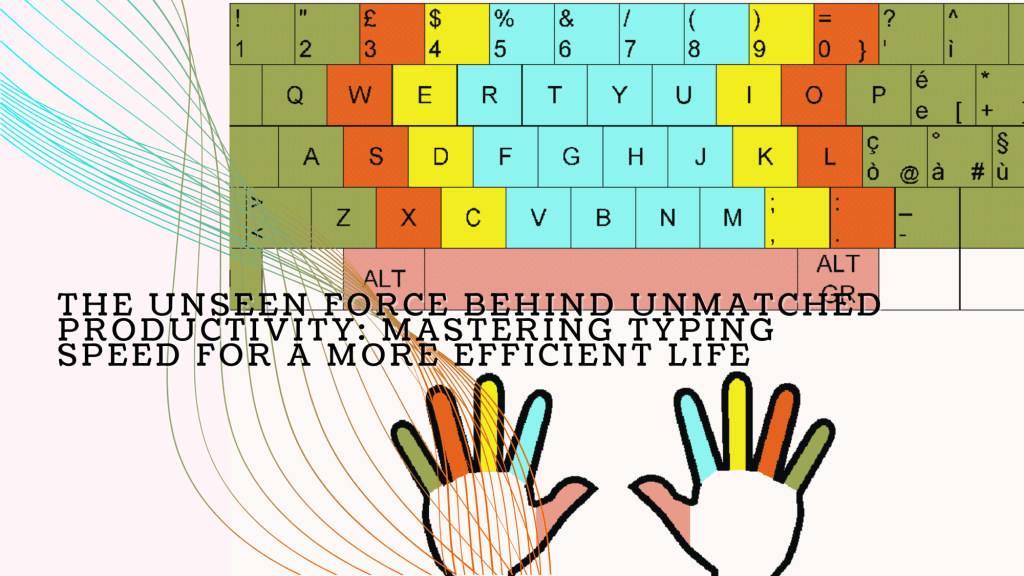
  • The Unseen Force Behind Unmatched Productivity: Mastering Typing Speed for a More Efficient Life

    The Unseen Force Behind Unmatched Productivity: Mastering Typing Speed for a More Efficient Life

    In today’s fast-paced world, where efficiency is the key to success, there exists a skill that often flies under the radar yet holds the power to drastically improve productivity: typing speed. While we devote countless hours to learning new software, mastering time management techniques, and fine-tuning our daily routines, the simple act of typing—something we do nearly every moment we interact with a computer—is frequently overlooked. However, this seemingly mundane skill could be the missing link that takes your productivity from good to exceptional. Not only can improving your typing speed and accuracy streamline your daily tasks, but it can also unlock more time to enjoy the sweeter aspects of life. 

    The Mechanics of Typing: Why It’s Worth Mastering

    Typing, in its simplest form, is the act of pressing keys to input text. Yet, the proficiency with which we perform this action can have a profound impact on our work efficiency. The average person types at about 40 words per minute (WPM), with a typical accuracy rate of around 92%. While this might suffice for basic communication, it falls short when you consider the demands of a fast-paced work environment. For those who have mastered typing, speeds of 80 WPM or more are not uncommon, with accuracy rates nearing perfection. The difference between these two levels of proficiency can equate to hours saved over the course of a week.

    But why does this matter so much? The answer lies in the cumulative effect of small efficiencies. Think about the number of emails you send, the reports you write, or the messages you type each day. Now, consider the time it takes to type each one. The faster and more accurately you can type, the quicker you can complete these tasks, freeing up time for more meaningful work—or even a few extra minutes of relaxation.

    Typing speed is typically measured in words per minute, with each “word” defined as five keystrokes. This standard measure allows for an apples-to-apples comparison of typing skills across different individuals and tasks. However, speed alone isn’t the full picture; accuracy is equally important. Typing rapidly but with frequent mistakes can be counterproductive, as the time saved in speed is often lost in correcting errors. Moreover, accuracy in typing translates to clearer communication, fewer misunderstandings, and a more professional presentation—qualities that are crucial in any field.

    The Unsung Importance of Accuracy in an Automated World

    In an era where autocorrect and predictive text are embedded in nearly every device, it’s easy to assume that accuracy is less critical than it once was. However, this reliance on technology can create a false sense of security. Autocorrect, while helpful, is far from foolproof. It can introduce its own errors, sometimes replacing correctly spelled words with incorrect ones based on context that the software fails to grasp. Moreover, autocorrect tools are often unable to detect the nuances of grammar, punctuation, and tone that a human writer can.

    Relying too heavily on these tools can lead to a decline in typing accuracy, which ultimately affects the quality of your work. For example, in professional communication, a misplaced word or an awkward phrase—introduced by an overzealous autocorrect—can send the wrong message or create confusion. In more technical fields, such as coding or data entry, where precision is paramount, the cost of inaccuracy can be even higher, leading to errors that require significant time to debug or correct.

    Thus, accuracy in typing remains a vital skill, even in the age of digital shortcuts. A typist who can maintain high accuracy at speed not only saves time but also enhances the clarity and professionalism of their work. Whether drafting a crucial email, writing a detailed report, or coding a complex program, the ability to type both quickly and accurately is indispensable.

    Assessing and Elevating Your Typing Skills: The First Steps to Mastery

    Before embarking on the journey to improve your typing speed and accuracy, it’s essential to assess your current abilities. Fortunately, there are a plethora of online tools available that allow you to measure your typing speed and accuracy with ease. Websites such as TypingTest.com, 10FastFingers, and Keybr.com offer free tests that provide an immediate snapshot of your skills. These platforms not only measure your WPM and accuracy but also offer targeted exercises to help you improve over time.

    Once you’ve established a baseline, the path to improvement is clear: practice, practice, practice. But not just any practice—focused, strategic practice that targets both speed and accuracy. Here are some of the most effective methods to boost your typing skills:

    1. Master Touch Typing: Touch typing is the practice of typing without looking at the keyboard, relying instead on muscle memory. This technique is essential for increasing both speed and accuracy, as it allows you to keep your eyes on the screen and your mind on the content, rather than on finding the right keys. Online resources like TypingClub and Ratatype offer structured lessons designed to help you master touch typing at your own pace.
    2. Regular, Focused Practice: As with any skill, regular practice is crucial for improvement. Set aside at least 10-15 minutes a day for typing exercises. Start with simple sentences or familiar phrases to build confidence, then gradually increase the complexity of the text as your skills improve. Over time, you’ll notice a significant increase in both your typing speed and accuracy.
    3. Prioritize Accuracy Over Speed: While speed is important, it should never come at the expense of accuracy. Begin by typing at a comfortable pace, focusing on minimizing errors. As you become more comfortable with the keyboard and build muscle memory, your speed will naturally increase without sacrificing accuracy.
    4. Optimize Your Workspace and Equipment: The tools you use can have a significant impact on your typing performance. Ensure that your keyboard is comfortable and responsive, with keys that suit your typing style. Some people find that mechanical keyboards, which offer tactile feedback, help them type faster, while others prefer the low-profile keys of a laptop keyboard. Additionally, make sure your workspace is ergonomically set up, with your keyboard positioned at a height that allows your wrists to remain straight and your fingers to move freely.
    5. Learn and Utilize Keyboard Shortcuts: Keyboard shortcuts are a powerful way to enhance your typing efficiency. Familiarize yourself with common shortcuts for your operating system and the software you use most frequently. These shortcuts can save you time and reduce the need for mouse navigation, allowing you to keep your hands on the keyboard and maintain your typing rhythm.
    6. Track and Celebrate Your Progress: Improvement in typing, like any skill, is a gradual process. Regularly take typing tests to measure your progress and adjust your practice routine as needed. Celebrate your milestones, whether it’s achieving a new personal best in speed, improving your accuracy rate, or mastering a challenging typing exercise. These small victories will keep you motivated and focused on your long-term goals.
    The Productivity Payoff: How Fast, Accurate Typing Transforms Your Workday

    Imagine the sheer volume of text you produce in a typical workday. From emails to reports, instant messages to presentations, typing is an integral part of virtually every task you perform. Now, consider the time it takes to type all of this content. By improving your typing speed from 40 WPM to 80 WPM, you effectively double your output. Over the course of a day, this increased efficiency can save you hours—time that can be redirected toward more strategic tasks, personal development, or simply taking a well-deserved break.

    But the benefits of faster typing extend beyond mere time savings. When you can type as quickly as you think, your thoughts flow seamlessly onto the screen. This can lead to more coherent, creative, and high-quality work. Whether you’re brainstorming ideas, drafting a proposal, or coding a new feature, the ability to capture your thoughts in real-time can make your work more fluid and less frustrating.

    Moreover, faster typing can reduce cognitive load, allowing you to focus more on the content of what you’re writing rather than the mechanics of typing. This frees up mental bandwidth for higher-level thinking, such as problem-solving, critical analysis, and creative ideation. In this way, mastering typing is not just about working faster—it’s about working smarter.

    Actionable Steps to Skyrocket Your Typing Skills and Productivity

    Improving your typing skills doesn’t require a massive time investment, but it does require consistent effort. Here are some actionable steps you can take to enhance your typing speed and accuracy, and in turn, boost your productivity:

    1. Commit to Learning Touch Typing: If you haven’t already, make touch typing your top priority. It’s the single most effective way to improve your typing speed and accuracy. Start with just a few minutes a day, and gradually increase your practice time as you become more comfortable with the technique.
    2. Set Incremental Goals: Don’t aim to become a typing maestro overnight. Instead, set realistic, incremental goals, such as improving your typing speed by 5-10 WPM over the next month. Track your progress using online typing tests and adjust your practice routine based on your results.
    3. Incorporate Typing Practice into Your Daily Routine: Just as you would with physical exercise, integrate typing practice into your daily routine. Whether it’s in the morning before you start your workday or during a break, a few minutes of focused practice each day will yield significant long-term benefits.
    4. Seek Out Advanced Typing Challenges: Once you’ve mastered the basics, challenge yourself with more advanced typing exercises. This could include typing passages with complex vocabulary, practicing touch typing in different languages, or working on specific typing skills such as data entry or coding.
    5. Leverage Technology to Support Your Goals: Utilize typing software, apps, and online resources to provide structure and feedback on your progress. Many of these tools offer personalized lessons and exercises tailored to your specific needs, whether you’re focusing on increasing speed, improving accuracy, or mastering keyboard shortcuts. Some popular options include Typing.com, Keybr.com, and Ratatype. These platforms often incorporate gamified elements to keep practice engaging and motivating.
    6. Practice in Real-World Contexts: While structured typing exercises are important, practicing in real-world contexts is equally valuable. Try to incorporate conscious typing practice into your daily work tasks. Whether you’re composing emails, drafting reports, or coding, pay attention to your speed and accuracy. Over time, this mindful approach will help you transfer the skills you’ve developed in practice sessions to your everyday tasks.
    7. Stay Consistent and Patient: Like any skill worth mastering, improving your typing speed and accuracy requires consistency and patience. It’s easy to get discouraged if progress seems slow, but remember that even small improvements add up over time. Stick with your practice routine, celebrate your milestones, and keep your end goal in sight. Over time, you’ll find that your typing skills—and your overall productivity—have significantly improved.
    Conclusion: Typing Speed as the Hidden Driver of Success

    In the quest for higher productivity, we often overlook the small, everyday skills that form the foundation of our work. Typing is one such skill—essential, yet often taken for granted. However, as we’ve explored, mastering typing speed and accuracy can have a profound impact on your efficiency, allowing you to complete tasks faster, communicate more clearly, and ultimately free up time for more meaningful activities.

    By investing time in improving your typing skills, you’re not just working faster; you’re enhancing the quality of your work, reducing cognitive load, and creating more space in your day for creativity, strategic thinking, and the simple pleasures of life. In the end, typing speed is more than just a measure of how quickly you can get words onto a page—it’s a key that unlocks the door to a more productive, balanced, and fulfilling life.

    So, whether you’re a busy professional looking to maximize your efficiency or someone who simply wants to spend less time on mundane tasks and more time enjoying life, improving your typing speed and accuracy is a worthy investment. Start today, stay consistent, and watch as this often-overlooked skill transforms your productivity and enhances your daily life.