Tag: SimpleLiving

  • Simplify Your Home: Genius Decluttering Tips Every Busy Parent Needs to Know

    Simplify Your Home: Genius Decluttering Tips Every Busy Parent Needs to Know

    Introduction: Why Decluttering Matters for Families

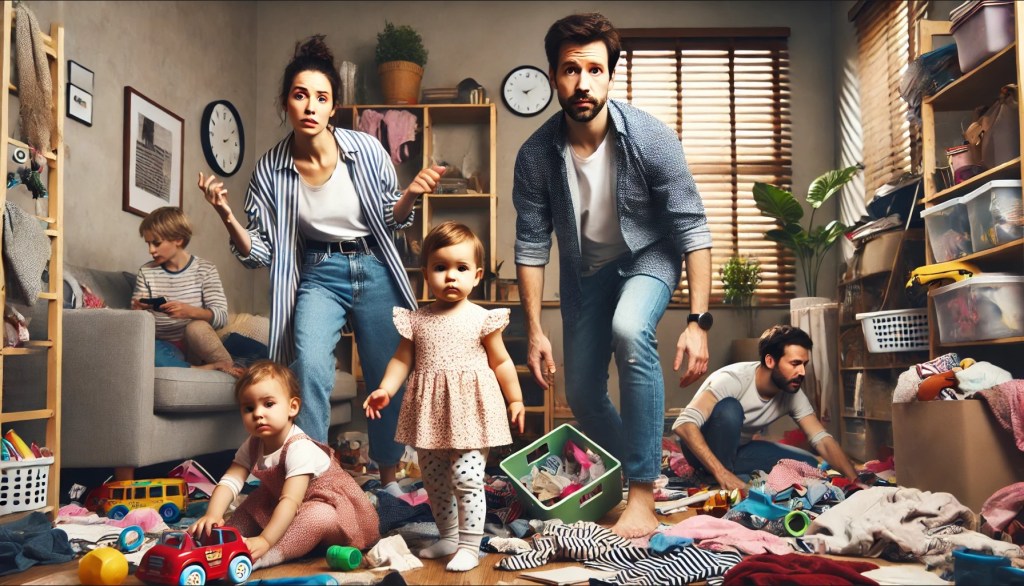
    Picture this: It’s late at night, and you tiptoe through the living room to grab a glass of water. Suddenly, ouch! Your foot finds the sharp edge of a forgotten Lego piece. Sound familiar? Clutter isn’t just about mess—it’s about daily stress, wasted time, and even unnecessary frustration for you and your kids. Studies show that a clutter-free home can lead to reduced anxiety and increased focus, both for children and adults.

    The good news? You don’t have to do it all at once. With the right strategies, decluttering can be manageable—and even fun! Let’s dive into practical, kid-friendly ways to simplify your home.


    1. The “Toy Jail” Method: Making Cleanup Fun

    Ever feel like you’re constantly picking up toys, only for them to reappear in the same spot an hour later? Try the Toy Jail method. Here’s how it works:

    • Any toy left on the floor after a designated cleanup time goes into “toy jail” (a storage bin or basket).
    • To earn it back, your child must complete a small chore.
    • This method teaches responsibility without the need for nagging.

    Turn it into a game by setting a timer—kids love the challenge of “beating the clock” while tidying up!


    2. The One-Touch Rule: Stop Clutter Before It Starts

    Teach kids (and adults!) to follow the One-Touch Rule—when you pick something up, put it where it belongs right away instead of setting it down in a temporary spot.

    How it works:

    • Instead of dropping jackets on the couch, hang them up immediately.
    • Instead of tossing unopened mail on the counter, deal with it on the spot.
    • Instead of leaving dirty dishes in the sink, put them straight into the dishwasher.

    By applying this simple habit, you prevent clutter from accumulating in the first place.


    3. Decluttering the “Kid Zones” Without Tears

    Getting rid of toys and belongings can be emotional for kids, but making decluttering a positive experience helps ease the process. Try these kid-friendly strategies:

    • The Keep, Donate, Toss Method: Have your child pick their favorite toys to keep, then donate the rest to children in need.
    • The Reverse Hanger Trick: Turn all the hangers backward. In six months, donate any clothing that hasn’t been worn.
    • Create “Memory Boxes”: Let kids keep a small box for sentimental items. This keeps clutter manageable while preserving meaningful belongings.

    Involving your child in decision-making makes them more likely to maintain a clutter-free space.


    4. Capsule Wardrobes for Kids: Less Laundry, More Freedom

    Too many clothing options can lead to unnecessary stress (and endless laundry!). A capsule wardrobe simplifies dressing by focusing on mix-and-match essentials.

    How to build a kid’s capsule wardrobe:

    • Stick to neutral basics with a few pops of color.
    • Choose high-quality, durable pieces over trendy fast fashion.
    • Store out-of-season and outgrown clothes elsewhere to keep daily choices simple.

    With fewer choices, kids can get dressed faster, and you’ll spend less time managing laundry.


    5. The Minimalist Family Command Center: A Clutter-Free Hub

    Every family needs a system for organizing schedules, school papers, and daily essentials. A family command center serves as a centralized hub to keep everything in check.

    Essentials for a functional command center:

    • A wall-mounted calendar for appointments and activities.
    • A designated bin for incoming mail and school papers.
    • Hooks or cubbies for backpacks, keys, and shoes.

    With an efficient setup, mornings become smoother, and lost items become a thing of the past.


    6. Decluttering as a Family Habit: Make It Stick

    Decluttering isn’t a one-time event—it’s an ongoing habit. Keep it stress-free by incorporating decluttering into daily routines.

    Ways to make it fun:

    • Turn on music and make it a dance party while tidying up.
    • Set a timer for 10 minutes and see how much clutter you can clear.
    • Reward participation with a fun family outing or extra storytime.

    Try the Monthly Declutter Dash—set aside one day each month where the entire family spends 30 minutes tackling an area of the home together.


    Conclusion: A Home That Works for You, Not Against You

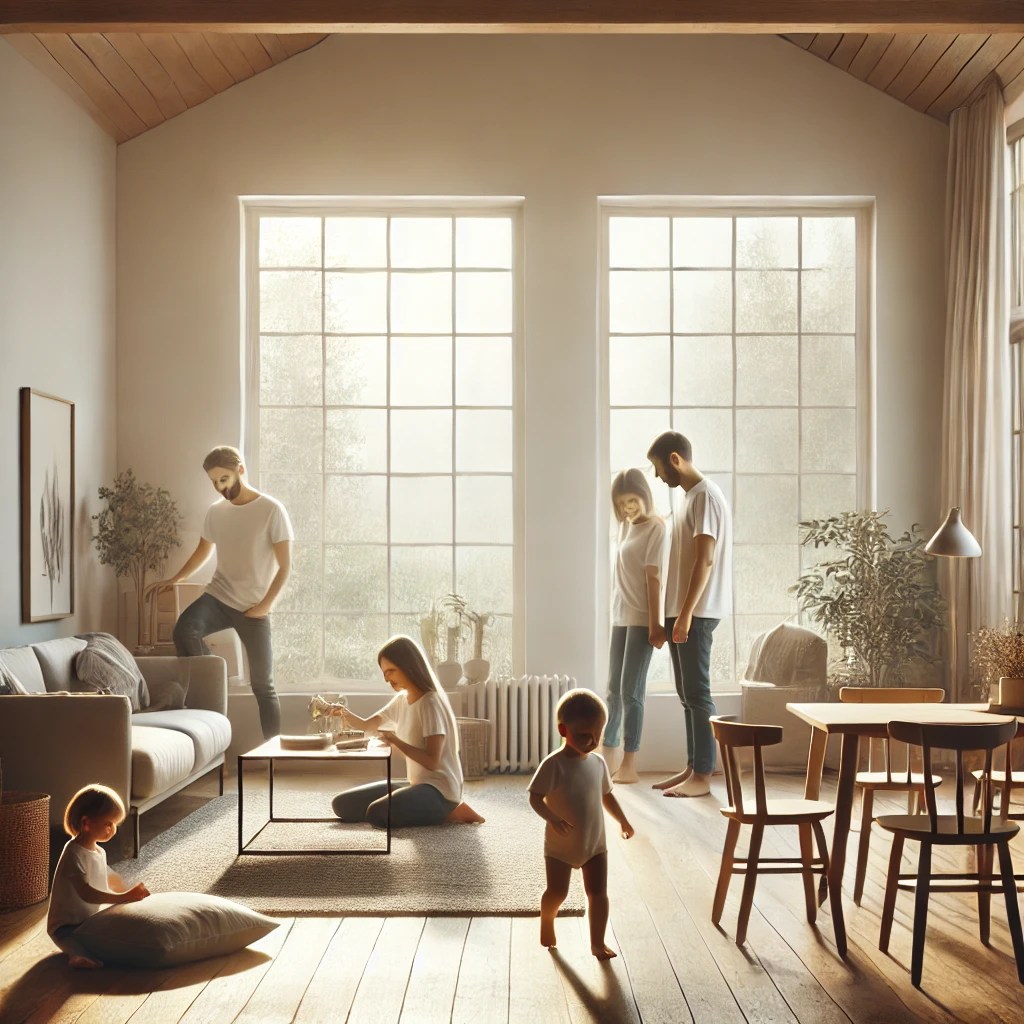
    The goal of decluttering isn’t perfection—it’s creating a home that supports your family’s needs. Small, consistent efforts lead to lasting change. Start with just one strategy today, and watch how your home transforms into a stress-free, functional space.

    Ready to simplify? Choose one tip and start now—you’ve got this!
  • The Sovereign Child: A Minimalist Approach to Parenting and Family Life

    The Sovereign Child: A Minimalist Approach to Parenting and Family Life

    As a minimalist, I am always searching for ways to simplify life — to strip away the unnecessary and focus on what truly matters. Parenting, however, often feels overwhelming, with endless schedules, rules, and responsibilities. Aaron Stupple’s The Sovereign Child: How a Forgotten Philosophy Can Liberate Kids and Their Parents presents a liberating alternative: a parenting philosophy that removes unnecessary complexity, promotes trust, and empowers children to develop independence.

    Minimalism in Parenting: Less Control, More Connection

    Minimalism isn’t just about decluttering our homes — it’s about removing excess in all aspects of life. Parenting today is filled with rigid routines, countless rules, and a belief that children must be controlled to succeed. But what if we let go of unnecessary parenting burdens and focused on fostering trust, autonomy, and natural growth? Stupple’s philosophy encourages parents to simplify their role and embrace a more natural approach to raising children.

    Eliminating the Noise: Letting Go of Unnecessary Rules

    Traditional parenting relies on strict schedules and enforced behaviors — set bedtimes, meal plans, and limited screen time. Stupple challenges these norms by encouraging parents to reconsider whether these rules are necessary or simply inherited habits.

    From a minimalist perspective, excessive rules create mental clutter and stress. By reducing or eliminating rigid control, families experience fewer power struggles and more harmony. Instead of enforcing bedtime, parents can guide children to recognize their own sleep needs. Instead of dictating meals, children can be empowered to listen to their bodies and develop healthy eating habits naturally. This shift reduces conflict and promotes a calm, stress-free environment.

    The Freedom to Choose: A Path to Simplicity

    Minimalists value intentionality and freedom — living by choice rather than obligation. Stupple applies this principle to parenting by advocating for autonomy. Giving children the freedom to make choices about food, sleep, and play fosters responsibility and self-awareness.

    This approach also simplifies parenting. Imagine a home without nightly bedtime battles, food refusals, or constant rule enforcement. By guiding rather than controlling, parents can spend less time managing behavior and more time building meaningful connections with their children.

    Decluttering Emotional Labor: Shifting from Control to Guidance

    A key lesson in The Sovereign Child is the emotional burden that comes with excessive parenting. Many parents feel overwhelmed by the need to manage their child’s every decision, emotion, and behavior. Stupple suggests a simple alternative: let go.

    By stepping back and trusting children to navigate their own experiences, parents reduce stress while fostering independence. Instead of enforcing compliance, they guide with open communication, respect, and problem-solving skills. This creates a more peaceful household and allows both parents and children to thrive.

    Practical Steps to Implement Minimalist Parenting

    For those looking to apply The Sovereign Child philosophy in a practical, minimalist way, here are some actionable steps:

    1. Identify and Reduce Unnecessary Rules – Ask yourself: Does this rule serve a real purpose, or is it just an inherited habit? Start by eliminating rules that cause stress but don’t provide real benefits.
    2. Trust Instead of Control – Give children the freedom to make choices in small, manageable ways. Observe how they naturally develop self-regulation.
    3. Encourage Open Communication – Replace punishments with conversations. Help children understand natural consequences rather than enforcing arbitrary ones.
    4. Simplify Your Role as a Parent – Shift from being an enforcer to a mentor. Offer support and wisdom rather than strict discipline.
    5. Declutter the Family Schedule – Cut back on unnecessary activities and commitments, allowing more unstructured, meaningful time together.
    6. Observe and Adjust – Pay attention to what works for your family. Every child is different, so remain flexible and adapt as needed.

    Final Thoughts: A Simpler, More Meaningful Family Life

    Aaron Stupple’s The Sovereign Child isn’t just a parenting book—it’s a guide to creating a simpler, more intentional family life. By removing excess rules and embracing trust, parents can create a peaceful home where children thrive. Minimalist parenting isn’t about neglecting structure but about letting go of unnecessary control, focusing on what truly matters, and fostering a relationship built on respect and autonomy.

    For parents seeking a simpler, more mindful approach to raising children, The Sovereign Child offers a refreshing perspective. By embracing this philosophy, families can experience greater harmony, less stress, and a more fulfilling way of living together.

  • The Art of Minimalist Wardrobe: Building a Capsule Closet

    The Art of Minimalist Wardrobe: Building a Capsule Closet

    As life gets busier—between family, work, and everything in between—the daily decision of what to wear can feel like just one more thing on a growing to-do list. Enter the concept of a minimalist wardrobe, or what’s often called a capsule closet. For men, especially knowledge workers or office professionals with busy schedules, simplifying clothing choices is not just about style—it’s about reducing stress, saving time, and aligning your wardrobe with a minimalist lifestyle.

    What is a Capsule Wardrobe?

    A capsule wardrobe consists of a carefully curated selection of clothing items that are versatile, timeless, and suited to various occasions. These pieces can be mixed and matched, making outfit selection effortless. For men, this usually means focusing on neutral colors and classic styles, from office attire to casual wear.

    But beyond fashion, a capsule wardrobe aligns with a minimalist philosophy—where every piece of clothing has a purpose and contributes to a more intentional life.

    The Benefits of a Minimalist Wardrobe
    1. Fewer Decisions, More Mental Energy

    Making fewer decisions about what to wear saves valuable mental energy. If you’ve ever stood in front of a closet packed with clothes and still felt like you had “nothing to wear,” you’re not alone. The problem isn’t a lack of options—it’s too many.

    By limiting your wardrobe to a set of functional, interchangeable pieces, you reduce decision fatigue. You’ll start your mornings with less stress and more clarity, able to focus on work, family, and personal goals rather than what tie goes with which shirt.

    2. Save Time, Especially on Busy Mornings

    A streamlined wardrobe means faster mornings. No more scrambling to find the right pair of pants or spending 10 minutes deciding which shirt fits the occasion. With a capsule wardrobe, everything works together, meaning you can throw on an outfit without second-guessing your choices.

    When work responsibilities, kids, and the general hustle of life take up much of your attention, saving time on the little things matters. Every second counts, and a minimalist approach to your wardrobe gives you more of that precious time.

    3. Less Clutter, More Space

    When your wardrobe is overflowing with options, you’re likely using a fraction of your clothes. A capsule wardrobe helps you declutter, giving you back valuable closet space. Less clutter can also lead to less stress. Simplifying your physical space can have a positive mental impact, creating a sense of calm rather than chaos.

    For men with families, this extends beyond just your closet. A minimalist approach can influence your entire household, teaching your kids the value of simplicity and helping reduce the overall clutter in your home.

    4. Quality Over Quantity

    Minimalism emphasizes investing in fewer, higher-quality items that last longer. Instead of buying trendy items that may only be worn a few times, a capsule wardrobe focuses on timeless pieces. You might spend a bit more upfront, but the cost per wear becomes far more economical over time.

    For office professionals, this means focusing on classic staples like well-fitted dress shirts, neutral slacks, blazers, and versatile shoes. These pieces will work across different seasons and occasions, making them worth the investment.

    5. Environmental and Ethical Considerations

    Fast fashion contributes significantly to environmental waste. By adopting a minimalist wardrobe, you’re not only simplifying your life but also reducing your environmental footprint. Fewer purchases mean less waste and fewer resources used in production.

    Additionally, when you prioritize quality over quantity, you often support brands that focus on ethical labor practices and sustainable production methods—further aligning your wardrobe with your values.

    Building Your Capsule Closet: Key Steps
    1. Assess Your Current Wardrobe

    Start by taking an honest look at your current wardrobe. Pull everything out of your closet and evaluate each piece. Does it fit well? Do you wear it regularly? Does it align with your personal style? Donate or sell anything you no longer need or that doesn’t serve your lifestyle.

    2. Choose Versatile, Timeless Pieces

    Think in terms of classic styles and neutral colors that can be worn in multiple settings. For example:

    • Neutral Dress Shirts: White, light blue, or grey can be paired with almost anything.
    • Well-fitted Slacks and Chinos: In colors like navy, grey, or khaki, these work for both formal and casual settings.
    • Blazer or Suit Jacket: Choose a neutral color like navy or charcoal that can be dressed up or down.
    • Versatile Footwear: A pair of dress shoes and casual loafers or sneakers in neutral tones will cover most situations.
    3. Stick to a Limited Color Palette

    By sticking to a simple color palette—think whites, greys, navy, and blacks—everything in your wardrobe becomes easier to pair. This reduces the time spent coordinating outfits and ensures that almost everything works together.

    4. Embrace the Seasonless Wardrobe

    Opt for fabrics and styles that work year-round. Items like a quality sweater, a lightweight jacket, and a basic pair of jeans can transition from season to season with minor adjustments.

    5. Add Personal Touches

    Minimalism doesn’t mean sacrificing personal style. Incorporate accessories or a signature item that reflects your individuality—whether it’s a favorite watch, tie, or pair of sunglasses.

    Final Thoughts: The Freedom in Minimalism

    For busy men balancing work, family, and countless other responsibilities, adopting a minimalist wardrobe is more than just a style choice. It’s a way to streamline life, reduce stress, and focus on what truly matters. You’ll feel more organized, save time, and find that a capsule closet brings a sense of clarity to your daily routine.

    The art of minimalism is about simplifying not just your wardrobe but your life—allowing you to focus on the moments, people, and responsibilities that matter most.

  • Minimalism for Families: Teaching Kids the Value of Simplicity

    Minimalism for Families: Teaching Kids the Value of Simplicity

    In today’s fast-paced, consumer-driven world, raising children with an understanding of minimalism is more important than ever. Teaching kids the value of simplicity not only shapes their relationship with material possessions but also impacts how they perceive time, relationships, and life experiences. Minimalism is not about living with less for the sake of it—it’s about creating space for what truly matters. This mindset can lead to a happier, more connected family life, where people, memories, and meaningful activities are prioritized over material goods. In this essay, we will explore why and how to instill these values in children and discuss how simplicity can enrich family life.

    Why Teach Simplicity?
    1. Instilling Gratitude and Contentment
      Children, when exposed to the principles of minimalism, learn to appreciate the things they have rather than constantly yearning for more. When kids grow up in a culture of consumerism, they can easily fall into the trap of associating happiness with owning the latest toy or gadget. Minimalism, however, teaches them that happiness comes from within—through relationships, experiences, and meaningful engagement with the world around them. This approach fosters gratitude, helping them find contentment in simple joys and experiences.
    2. Building Emotional Resilience
      Teaching children the value of simplicity helps them build resilience. When they understand that their worth is not tied to what they own, they become less vulnerable to peer pressure and societal expectations. This mindset equips them to handle life’s inevitable ups and downs, knowing that their happiness is not dependent on external factors like material possessions.
    3. Teaching the Value of Time
      Minimalism introduces the concept that the things we buy are directly linked to the time spent earning money for them. For example, if a parent works for an hour to buy a toy, that toy represents the time they spent away from their family. Helping children make this connection between material items and time can encourage them to rethink their desires and consider whether certain items are truly worth the time they cost. This concept can empower them to make mindful choices as they grow older.
    How to Teach Kids the Value of Simplicity
    1. Model Minimalist Behavior
      Children learn by watching their parents, so it’s important to model the behavior you want to teach. If you prioritize experiences, relationships, and simple joys over material things, your children will begin to internalize these values. Demonstrate intentional decision-making when it comes to purchasing items or deciding how to spend your time.
    2. Limit Toys and Encourage Creativity
      Fewer toys do not mean less fun. In fact, limiting toys often sparks creativity and encourages kids to use their imaginations more. A child with fewer toys is more likely to invent games, build forts, and interact with their environment in creative ways. Additionally, teaching kids to rotate toys—putting some away and taking them out later—helps them appreciate and engage with each toy more meaningfully.
    3. Encourage Time Outdoors and Non-Material Activities
      One of the most effective ways to teach simplicity is by encouraging time spent outdoors or engaging in non-material activities. Hiking, picnics, gardening, or even just playing in the backyard fosters a connection with nature and the world around them. These activities require little to no money and remind children that fulfillment doesn’t come from possessions but from experiences and human connection.
    4. Teach Financial Literacy Early
      Help kids understand the cost of things not just in terms of money but in terms of time. A great way to do this is to involve them in simple household budgeting. Show them how saving money for a meaningful family vacation might require sacrificing smaller purchases. Explain that every time we buy something, we’re making a trade-off, and it’s important to choose wisely.
    5. Promote Decluttering and Mindful Giving
      Periodically involve kids in decluttering their spaces. Let them decide which toys or clothes they no longer use and encourage them to donate those items to others in need. This teaches them to value what they have and helps them develop a habit of mindful giving, showing that the world is bigger than their immediate desires.
    Time and Possessions: The Modern-Day Trade-Off

    In the modern world, it is easy to overlook the relationship between time and the things we own. We often think of purchases solely in monetary terms, forgetting that money is something we earn by trading our time and energy. When teaching children about simplicity, it’s important to make this connection clear. Every new gadget, toy, or piece of clothing comes at the cost of time — time that could have been spent doing something else.

    This realization can encourage kids to evaluate their desires more critically. Do they really want that new toy if it means less time spent on a family vacation? Would they rather have multiple cheap toys that break easily, or save up for one well-made toy that will last? By understanding this trade-off, children learn to prioritize what’s truly important, choosing experiences and connections over accumulating more things.

    The Positive Impact of Simplicity on Family Life

    Simplicity can enhance family life in profound ways. When families embrace minimalism, they create space—both physical and emotional—for what matters most. Without the constant need to buy and maintain things, families can focus on spending time together, building memories, and deepening their relationships. Prioritizing shared experiences, like family meals, game nights, or outdoor adventures, over the accumulation of material goods fosters stronger bonds.

    Moreover, living simply can reduce stress. When families have fewer possessions, there is less clutter, fewer things to manage, and more time to focus on meaningful activities. Parents feel less pressure to “keep up with the Joneses” or provide the latest and greatest for their kids, and children grow up learning that happiness and fulfillment come from connection, not consumption.

    By teaching kids the value of simplicity, we help them develop into adults who prioritize people, memories, and experiences over material things. In a world that often equates success with how much one owns, raising children with a minimalist mindset can set them up for a life of contentment, gratitude, and deep connections.

    In the end, simplicity enriches family life by allowing us to focus on what truly matters — our time together, the memories we create, and the love we share.