Tag: smartcasual

  • Understanding Fabrics: A Guide to Materials in Men’s Fashion

    Understanding Fabrics: A Guide to Materials in Men’s Fashion

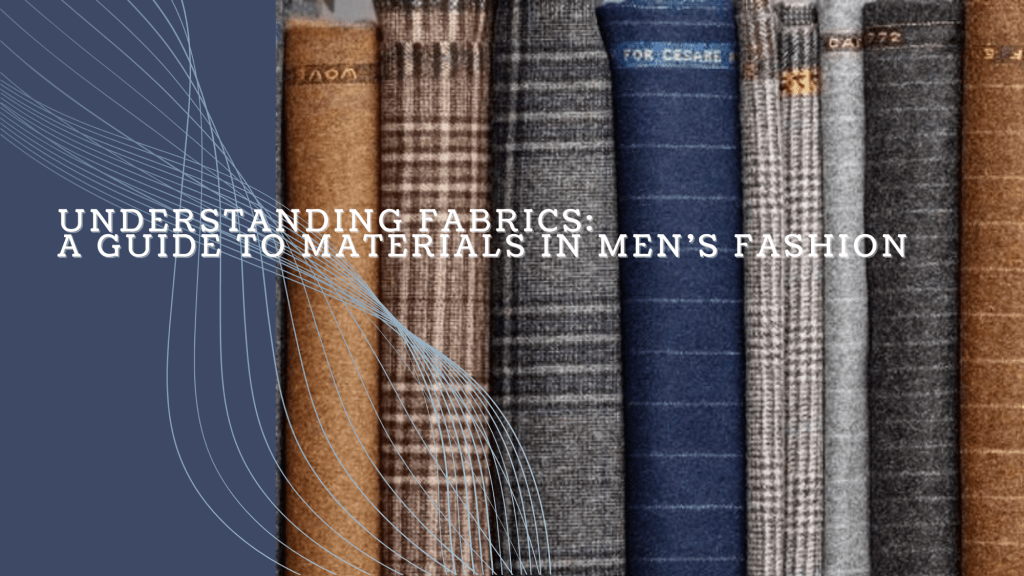
    When it comes to men’s fashion, fabric choice is just as important as fit and style. Different materials offer varying levels of comfort, durability, and style. Whether you’re dressing up in a suit or relaxing in chinos, understanding the fabrics you wear will help you choose the best options for different seasons and occasions. This guide covers the most common pieces in a man’s wardrobe—from suits and dress shirts to polo shirts and outerwear—and helps you pick the right fabric for every scenario.

    1. Suits

    The suit is a wardrobe staple for the modern man, and the fabric you choose can make all the difference in how the suit looks and feels. Common fabrics for suits include:

    • Wool: The most popular fabric for suits, wool is a versatile material that can be worn year-round. It’s breathable, durable, and has natural stretch. For summer, look for lightweight wool, while heavier wool is great for winter.
    • Linen: Ideal for summer, linen is a lightweight and breathable fabric that helps keep you cool. It does wrinkle easily, but this adds to its relaxed, casual aesthetic.
    • Seersucker: Another summer favorite, seersucker has a puckered texture that promotes airflow and keeps you cool. Its distinct pattern makes it perfect for warm-weather events.
    • Cotton: Cotton suits are great for a more casual look and offer a middle ground between linen and wool. They’re comfortable and breathable but can wrinkle easily.
    2. Slacks and Chinos

    Slacks and chinos are go-to options for both casual and business casual wear.

    • Wool: Wool slacks are a classic choice for formal occasions or business settings. Worsted wool is a good all-season option, while flannel wool is warmer for winter.
    • Cotton Twill: Chinos are often made from cotton twill, which is a durable and breathable fabric. Heavier cotton is great for colder weather, while lightweight cotton is perfect for summer.
    • Stretch Cotton: Many modern chinos incorporate a small percentage of elastane or spandex for added stretch and comfort.
    3. Blazers & Sports Coats

    Blazers and sports coats come in a variety of fabrics, each suited for different seasons and occasions.

    • Wool & Wool Blends: Wool is a popular fabric for blazers because it’s versatile, breathable, and durable. Wool blends (often mixed with polyester or silk) can offer a more relaxed feel while retaining wool’s elegance.
    • Tweed: A type of wool with a rougher texture, tweed is perfect for colder months. It’s heavier and more insulating, making it great for fall and winter.
    • Houndstooth & Herringbone: These are specific weaving patterns often used in wool or wool blends. They offer a sophisticated texture and are typically worn in cooler months.
    • Linen: For summer blazers, linen is ideal due to its lightweight and breathable nature.
    4. Polo Shirts

    Polo shirts are a casual essential, often seen in warmer months.

    • Pique Cotton: Pique cotton is known for its textured weave and breathability. It’s the most common material used for polo shirts and is perfect for warm weather.
    • Jersey Cotton: Softer and more flexible than pique, jersey cotton offers a smooth finish and is comfortable for casual wear. It’s also more lightweight.
    • Merino Wool: While wool might seem unusual for a polo, merino wool is breathable and temperature-regulating, making it a great option for spring and fall polos.
    5. Dress Shirts & Oxford Button-Downs

    Dress shirts are a must for any professional wardrobe, and fabric plays a huge role in comfort and appearance.

    • Poplin: This tightly woven cotton fabric is smooth and lightweight, making it perfect for dress shirts in the spring and summer. It has a crisp feel and holds its shape well.
    • Oxford Cloth: Oxford cloth has a basketweave structure that makes it thicker and more durable than poplin. It’s often used in button-down shirts and works well in casual or business casual settings.
    • Broadcloth: Similar to poplin but with a more formal appearance, broadcloth is soft and has a subtle sheen, making it a great option for dressier occasions.
    • Flannel: A warmer option for colder months, flannel shirts are made from cotton or wool and have a soft, brushed texture.
    6. Outerwear

    Outerwear is all about balancing style and functionality, and the fabric you choose should depend on the season and your personal style.

    • Wool Coats & Peacoats: Wool is a classic fabric for outerwear because it’s warm, durable, and naturally water-resistant. Peacoats, often made from thick wool, are ideal for winter months.
    • Safari Jackets: Traditionally made from cotton, safari jackets are lightweight and perfect for spring and summer. Modern versions may incorporate linen for extra breathability.
    • Cashmere: Known for its softness and luxurious feel, cashmere is a high-end wool that’s perfect for lightweight but warm coats. It’s ideal for transitional seasons.
    • Nylon & Polyester: Common in technical jackets, these synthetic materials are lightweight, water-resistant, and durable, making them ideal for raincoats and windbreakers.
    Choosing Fabrics for Different Seasons

    When selecting fabrics, it’s important to think about both the material itself and the weaving structure. Here are some seasonal tips:

    • Spring/Summer: Opt for lightweight and breathable fabrics like linen, cotton, and seersucker. Open weaves and lighter colors help keep you cool.
    • Fall/Winter: Look for heavier fabrics like wool, flannel, and tweed to provide warmth and insulation. Tight weaves and darker colors work best in cooler months.
    • All-Season: Fabrics like merino wool, cotton, and lightweight wool can transition well between seasons. These materials regulate temperature effectively and are comfortable in both warm and cool weather.
    Conclusion

    Understanding fabrics can take your wardrobe to the next level. Choosing the right material not only ensures you look sharp but also keeps you comfortable throughout the day. Whether you’re suiting up for a formal event or dressing down for a casual outing, knowing which fabrics work best for each situation will elevate your style game. Keep these tips in mind as you build a versatile, stylish wardrobe suited for every season.
  • Mastering Business Casual and Smart Casual: The Ultimate Guide to Effortless Style for Any Occasion

    Mastering Business Casual and Smart Casual: The Ultimate Guide to Effortless Style for Any Occasion

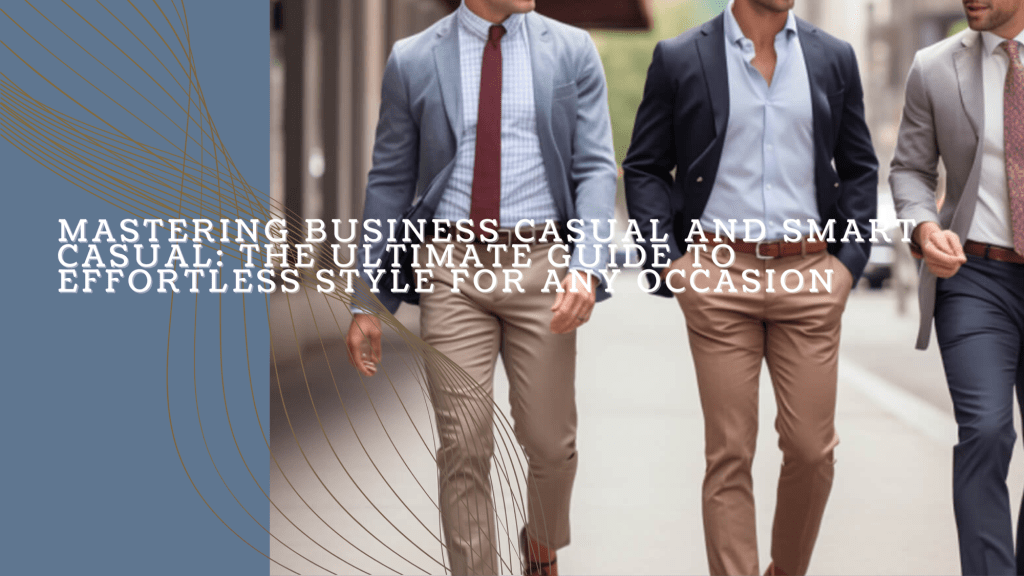
    The term “business casual” has seen an evolution over time, often leaving people uncertain about its precise definition. While some workplaces are clear on what it entails, others have left it open to interpretation, causing confusion between business, business casual, and smart casual. In this guide, we’ll break down these dress codes and help you master both the classic business casual and smart casual looks, providing tips on how to tailor them to your workplace and personal taste.

    Understanding the Difference: Business vs. Business Casual

    The business look is the traditional style of professional attire that usually involves a full suit, tie, dress shoes, and a polished, formal appearance. It’s still prevalent in conservative industries such as finance, law, and certain corporate environments.

    On the other hand, business casual originated as a way to balance professionalism with comfort. It traditionally included a full suit or suit separates, a well-tailored shirt, and leather shoes (usually black Oxfords), but notably without a tie. The idea was to create a relaxed yet professional appearance. Over time, however, business casual has become more flexible and laid-back.

    The Evolution of Business Casual

    Today’s business casual has shifted to include more leisure-inspired pieces, while still maintaining a polished look. You’ll find workers pairing suits with loafers or even chinos with blazers, and dress codes that are less rigid about sticking to classic suit fabrics. This evolution is often due to the rise of creative and tech industries, where individuality and comfort are prioritized over strict formality.

    Smart Casual: The More Relaxed Alternative

    Often confused with business casual, smart casual takes the comfort factor a step further, blending casual wear with upscale elements. While you’ll still look put together, this style allows for more flexibility with items like chinos, jeans, pullover sweaters, and leather sneakers. Smart casual is great for settings that aren’t too formal but still require some effort, such as dinner parties, date nights, or laid-back office environments.

    How to Master Business Casual
    1. Suit Separates
      Opt for a well-fitted blazer and trousers in complementary colors. Pair this with a crisp dress shirt and leather loafers. You can choose to tuck the shirt in for a polished look or keep it untucked for a more relaxed appearance.
      When to wear it: Perfect for client meetings, presentations, or semi-formal events where professionalism is key without the full formal attire.
    2. Blazer and Chinos
      Swap the trousers for tailored chinos in neutral tones like navy or beige, and combine them with a structured blazer. Add a pair of brown brogues or loafers and a belt for a coordinated look.
      When to wear it: Great for casual Fridays, networking events, or even a lunch meeting where you want to appear polished but comfortable.
    3. Polo Shirt and Suit Trousers
      A polo shirt in a high-quality fabric (like wool or cotton blend) paired with suit trousers offers a fresh take on business casual. This keeps things sharp without being overly formal.
      When to wear it: Ideal for casual office days or even a business-casual dinner.
    How to Master Smart Casual

    1. Button-Down Shirt with Chinos
    A lightweight button-down shirt paired with chinos strikes the perfect balance between smart and casual. You can tuck the shirt in for a sharper look or keep it untucked for more ease. Finish it off with leather sneakers or desert boots.
    When to wear it: This outfit works well for Sunday brunch, a casual date night, or even meeting friends after work.

    2. Pullover Sweater and Jeans
    Layer a well-fitted pullover sweater over a casual button-down shirt, and pair it with dark wash jeans. Add Chelsea boots or clean sneakers to keep it on the smarter side.
    When to wear it: Great for meeting the parents, a casual day at the office, or running errands while still looking put together.

    3. Blazer and Jeans
    A structured blazer with dark denim jeans offers a perfect mix of smart and casual. You can pair this look with a turtleneck or crew-neck T-shirt underneath, depending on the season. Add loafers, Chelsea boots, or even stylish leather sneakers.
    When to wear it: This outfit is excellent for date nights, casual weddings, or even after-work drinks.

    Choosing the Right Style for Your Work Setting

    When deciding between business casual and smart casual, the key is to consider your workplace culture and your personal taste. If you work in a more traditional or corporate environment, lean more toward business casual with suit separates and leather shoes. For industries that allow more creativity, such as tech or design, smart casual may be more appropriate, giving you the flexibility to express your personal style while remaining polished.

    Ultimately, it’s about finding a balance between what makes you feel comfortable and what fits the occasion. Having a few versatile outfits for both business casual and smart casual will allow you to easily transition between formal and more relaxed settings.

    Bringing It All Together

    Mastering the classic business casual look is all about understanding its roots and knowing how it has evolved. While business casual leans more on formal pieces like suits and separates, smart casual lets you play around with comfort-driven items like chinos and pullovers. By curating the right wardrobe and understanding the nuances of each style, you can confidently approach any situation—whether it’s a high-stakes meeting or a weekend brunch—with effortless style.

  • Monday fun day

    Monday fun day

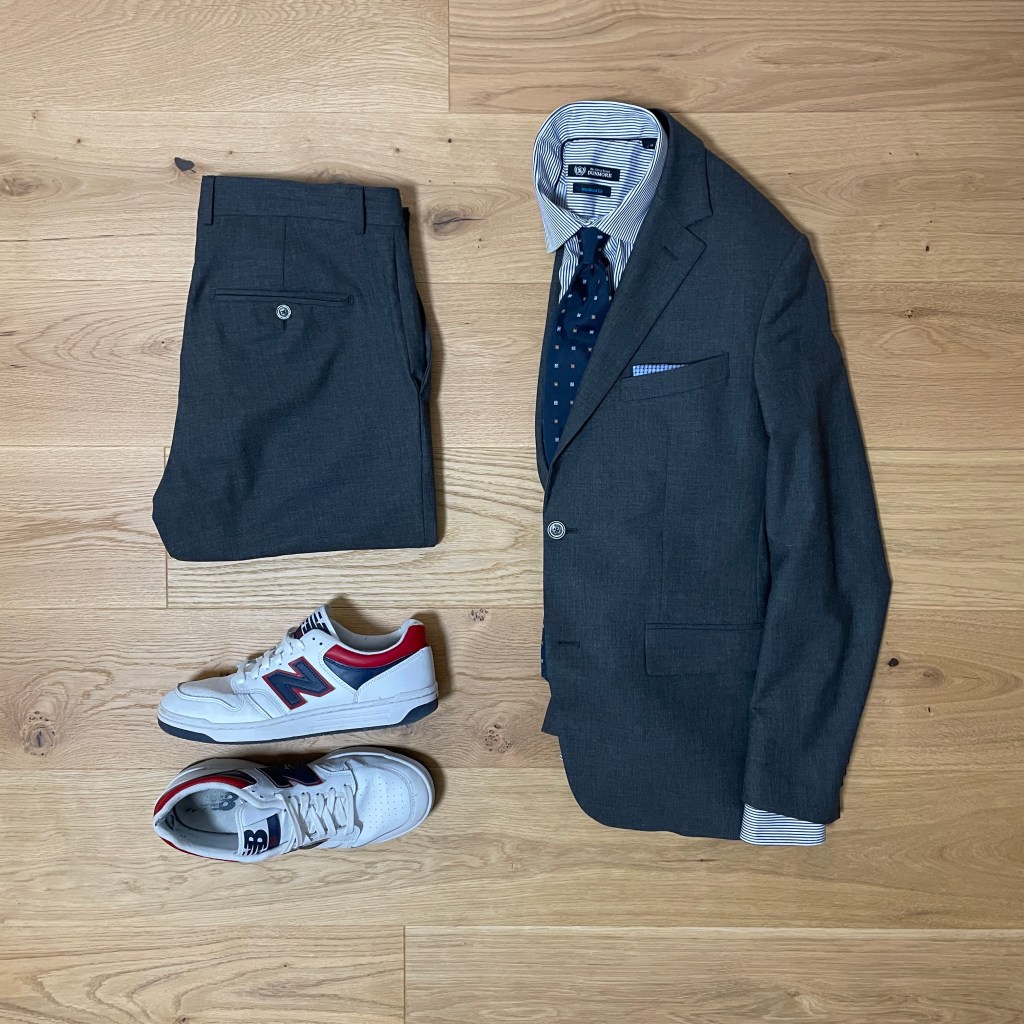
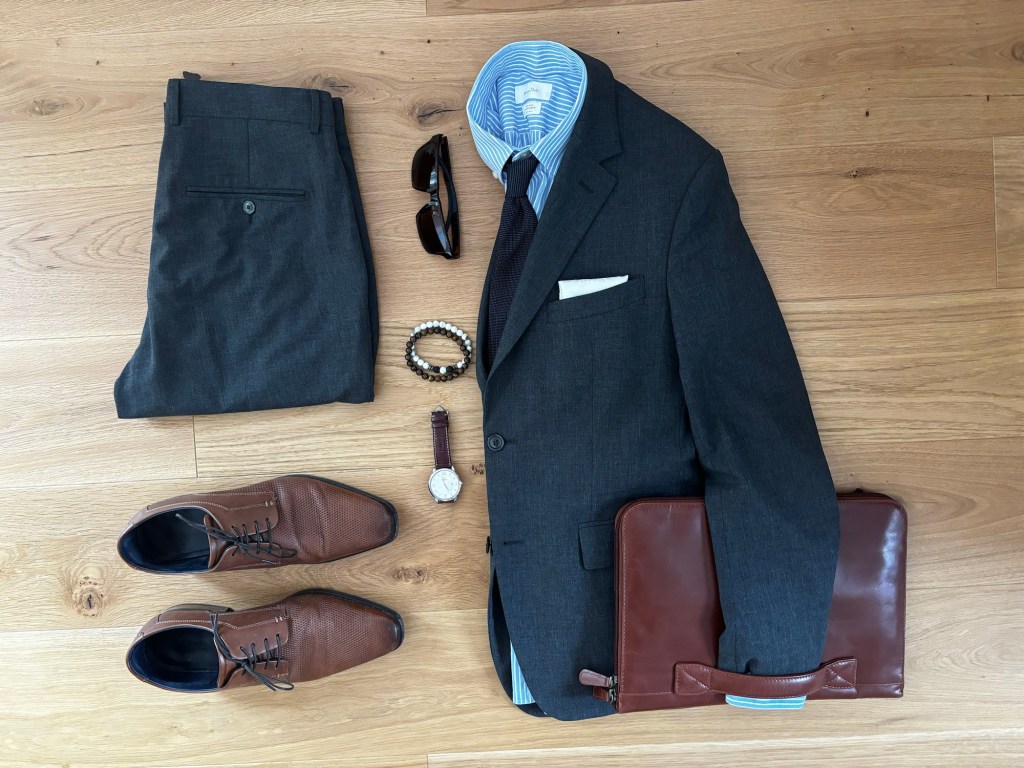
    Grey suit, blue/white striped shirt, navy tie and light brown accessories. Perfectly dressed for any workplace, destined to catch some funny looks from the colleagues showing up in cycling/ functional clothes made from shredded plastic bottles and Birkenstocks.

    To stand out has some pros and cons to it, but if you own your style and have some good story on your why for dressing well the pros outweigh the negative aspects.

    Keep it fun & don‘t take other people’s opinions to seriously!

  • Grey Suit – watched to much John Wick

    Grey Suit – watched to much John Wick

    ..but not enough to go full charcoal. Suit is from Mango Tailored and I was quite stunned by the quality and the fit. Pants are not as narrow as Massimo Dutti or Hugo Boss and I got the suit with a 30% discount. Only the trousers needed length adjustment, length of the jackets arms is quite good, a bit too much padding in the shoulders, but that’s currently en-vogue I guess.

    Maybe next time I will put it with black derbies, a black shirt and a charcoal tie. For the complete John Wick look I’m then only missing the hair.

  • Too hot for real pants

    Too hot for real pants

    Outfit of the day, shorts, white/blue striped shirt and loafers, plus a warm cardigan for the evening. Off to visit the German museum in Munich – Flugwerft and afterwards some good BBQ and maybe a Glas for wine or two..