
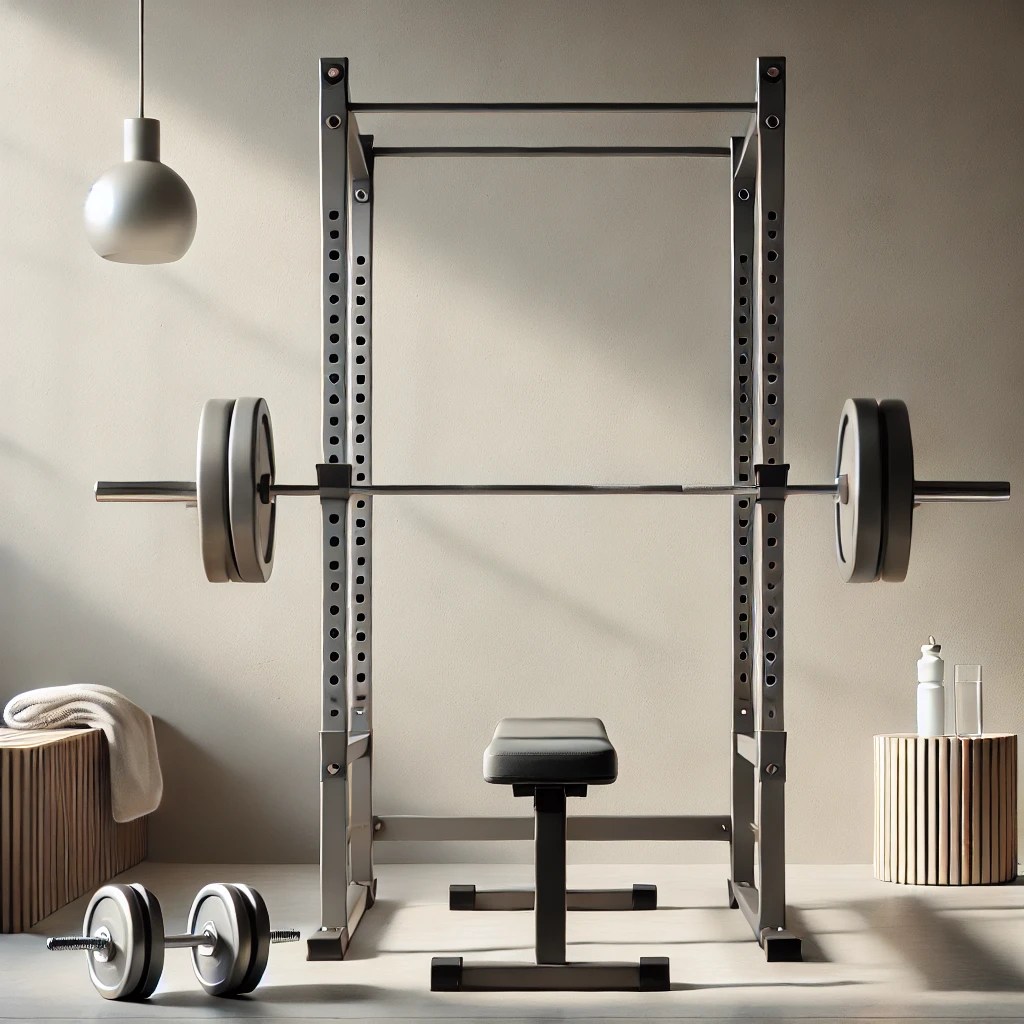
In the age of over-complicated fitness plans and endless diet trends, it’s easy to feel overwhelmed when starting or maintaining a strength training routine. But what if building strength, improving health, and staying consistent didn’t have to be so complex?
With just three foundational exercises—the squat, bench press, and deadlift—and a family-friendly, protein-rich meal plan, you can create a simple, effective, and sustainable fitness lifestyle that works for you and your loved ones. This approach is perfect for busy professionals and parents who want to stay strong without sacrificing precious time with family.
Why Minimalist Strength Training is a Game-Changer
When life is busy, simplicity is key. Minimalist strength training focuses on quality over quantity. By using compound movements like the squat, bench press, and deadlift, you can engage multiple muscle groups, build functional strength, and maximize efficiency in the gym.
Even with just two workouts per week, these exercises deliver full-body results. Forget the clutter of endless accessory movements—you’ll get stronger, fitter, and healthier while keeping your schedule intact.
The Three Power Moves
1. The Squat: The Foundation of Strength
The squat isn’t just a leg exercise—it’s a total-body movement that builds powerful quads, hamstrings, glutes, and a rock-solid core.
Why It Matters:
Whether it’s carrying groceries, playing with your kids, or hiking with family, the squat builds the strength and mobility needed for real-life activities.
How to Perform It Right:
- Stand with feet shoulder-width apart and toes slightly pointed out.
- Rest the barbell on your upper traps (not your neck).
- Keep your chest proud, engage your core, and lower your hips back and down.
- Aim to go deep enough that your thighs are parallel to the ground (or lower).
- Drive up through your heels to return to standing.
Pro Tip: Start light to perfect your form before progressing to heavier weights.
2. The Bench Press: Build an Impressive Upper Body
The bench press is a classic and for good reason. It targets the chest, shoulders, and triceps, helping you build a balanced, strong upper body.
Why It Matters:
Whether pushing your child on a swing or lifting something heavy, the bench press improves upper body strength for both functional and aesthetic benefits.
How to Perform It Right:
- Lie on the bench with your eyes directly under the bar.
- Grip the barbell slightly wider than shoulder-width.
- Lower the bar slowly to your chest, keeping your elbows at about a 75-degree angle.
- Press the bar back up until your arms are fully extended.
Pro Tip: Focus on control — don’t rush. Controlled movements engage more muscle and reduce injury risk.
3. The Deadlift: The Ultimate Strength Builder
The deadlift is a full-body powerhouse exercise. It builds strength in the glutes, hamstrings, lower back, core, and even your grip.
Why It Matters:
The deadlift mimics everyday movements like picking up a child or moving furniture. Training this lift translates directly into your daily life.
How to Perform It Right:
- Stand with your feet hip-width apart and the bar over your midfoot.
- Grip the bar outside your knees, keeping your back straight and chest up.
- Drive through your heels, keeping the bar close to your body as you lift.
- Lock your hips and knees at the top before lowering the bar in a controlled motion.
Pro Tip: For added grip strength, alternate your hand grip (one palm up, one palm down).
The Minimalist Training Plan
Day 1: Squat + Bench Press
- Warm-up: 5–10 minutes of dynamic stretches and mobility work.
- Squat: 4 sets of 5–8 reps.
- Bench Press: 4 sets of 5–8 reps.
- Optional: Plank holds or hanging leg raises for core stability.
Day 2: Deadlift + Bench Press
- Warm-up: Same as Day 1.
- Deadlift: 4 sets of 3–6 reps.
- Bench Press: 4 sets of 5–8 reps.
- Optional: Pull-ups or rows for upper back development.
Rest Days:
Take at least one full day between workouts to recover. Use these days for light activities like walking, yoga, or family-friendly games that keep you moving.
Family-Friendly Protein-Rich Nutrition
The Importance of Protein
To fuel your strength gains, aim for 1.6–2.2 grams of protein per kilogram of body weight daily. A meat-based diet simplifies meal planning and is easy to adapt for the entire family.
Tailored Meal Plan for Families
Breakfast:
- Scrambled eggs with turkey bacon and fresh fruit (e.g., berries).
- Pancakes made with protein powder for kids who love a sweet start.
Lunch:
- Grilled chicken wraps: Use whole-grain tortillas with shredded chicken, lettuce, and cheese.
- For kids, cut the wraps into bite-sized pinwheels for easier handling.
Dinner:
- Baked salmon with roasted potatoes and green beans.
- Cook extra salmon to use for salads or sandwiches the next day.
Snacks:
- Beef jerky or meat sticks for on-the-go fuel.
- Greek yogurt parfaits layered with granola and fruit for a kid-friendly option.
Meal Prep Tips:
- Batch-cook proteins (grill chicken, bake salmon, or roast a beef brisket) to save time.
- Involve your kids in simple prep tasks, like seasoning meat or arranging side dishes.
- Use one-pot recipes like slow-cooked stews or casseroles to feed the whole family with minimal effort.
Keys to Long-Term Success
- Progress Slowly: Track your lifts and focus on adding small increments of weight over time. Progression is the foundation of long-term strength.
- Prioritize Recovery: Sleep, hydration, and rest are just as important as training. Set a family bedtime routine to ensure everyone gets enough rest.
- Stay Consistent: The beauty of this minimalist plan is its sustainability. By keeping workouts and meals simple, you’ll stay on track without feeling overwhelmed.
Conclusion
Minimalist strength training is about more than just efficiency — it’s a sustainable lifestyle that fits into the lives of busy professionals and families alike. With just three exercises and a simple, protein-rich diet, you can build strength, improve health, and set an example of fitness for your loved ones.
Embrace simplicity, train with purpose, and nourish your body with wholesome meals. With this approach, you’ll not only achieve your fitness goals but inspire your family to live healthier, stronger lives as well.
 Sebastian Strobl