Tag: suitup

  • Understanding Fabrics: A Guide to Materials in Men’s Fashion

    Understanding Fabrics: A Guide to Materials in Men’s Fashion

    When it comes to men’s fashion, fabric choice is just as important as fit and style. Different materials offer varying levels of comfort, durability, and style. Whether you’re dressing up in a suit or relaxing in chinos, understanding the fabrics you wear will help you choose the best options for different seasons and occasions. This guide covers the most common pieces in a man’s wardrobe—from suits and dress shirts to polo shirts and outerwear—and helps you pick the right fabric for every scenario.

    1. Suits

    The suit is a wardrobe staple for the modern man, and the fabric you choose can make all the difference in how the suit looks and feels. Common fabrics for suits include:

    • Wool: The most popular fabric for suits, wool is a versatile material that can be worn year-round. It’s breathable, durable, and has natural stretch. For summer, look for lightweight wool, while heavier wool is great for winter.
    • Linen: Ideal for summer, linen is a lightweight and breathable fabric that helps keep you cool. It does wrinkle easily, but this adds to its relaxed, casual aesthetic.
    • Seersucker: Another summer favorite, seersucker has a puckered texture that promotes airflow and keeps you cool. Its distinct pattern makes it perfect for warm-weather events.
    • Cotton: Cotton suits are great for a more casual look and offer a middle ground between linen and wool. They’re comfortable and breathable but can wrinkle easily.
    2. Slacks and Chinos

    Slacks and chinos are go-to options for both casual and business casual wear.

    • Wool: Wool slacks are a classic choice for formal occasions or business settings. Worsted wool is a good all-season option, while flannel wool is warmer for winter.
    • Cotton Twill: Chinos are often made from cotton twill, which is a durable and breathable fabric. Heavier cotton is great for colder weather, while lightweight cotton is perfect for summer.
    • Stretch Cotton: Many modern chinos incorporate a small percentage of elastane or spandex for added stretch and comfort.
    3. Blazers & Sports Coats

    Blazers and sports coats come in a variety of fabrics, each suited for different seasons and occasions.

    • Wool & Wool Blends: Wool is a popular fabric for blazers because it’s versatile, breathable, and durable. Wool blends (often mixed with polyester or silk) can offer a more relaxed feel while retaining wool’s elegance.
    • Tweed: A type of wool with a rougher texture, tweed is perfect for colder months. It’s heavier and more insulating, making it great for fall and winter.
    • Houndstooth & Herringbone: These are specific weaving patterns often used in wool or wool blends. They offer a sophisticated texture and are typically worn in cooler months.
    • Linen: For summer blazers, linen is ideal due to its lightweight and breathable nature.
    4. Polo Shirts

    Polo shirts are a casual essential, often seen in warmer months.

    • Pique Cotton: Pique cotton is known for its textured weave and breathability. It’s the most common material used for polo shirts and is perfect for warm weather.
    • Jersey Cotton: Softer and more flexible than pique, jersey cotton offers a smooth finish and is comfortable for casual wear. It’s also more lightweight.
    • Merino Wool: While wool might seem unusual for a polo, merino wool is breathable and temperature-regulating, making it a great option for spring and fall polos.
    5. Dress Shirts & Oxford Button-Downs

    Dress shirts are a must for any professional wardrobe, and fabric plays a huge role in comfort and appearance.

    • Poplin: This tightly woven cotton fabric is smooth and lightweight, making it perfect for dress shirts in the spring and summer. It has a crisp feel and holds its shape well.
    • Oxford Cloth: Oxford cloth has a basketweave structure that makes it thicker and more durable than poplin. It’s often used in button-down shirts and works well in casual or business casual settings.
    • Broadcloth: Similar to poplin but with a more formal appearance, broadcloth is soft and has a subtle sheen, making it a great option for dressier occasions.
    • Flannel: A warmer option for colder months, flannel shirts are made from cotton or wool and have a soft, brushed texture.
    6. Outerwear

    Outerwear is all about balancing style and functionality, and the fabric you choose should depend on the season and your personal style.

    • Wool Coats & Peacoats: Wool is a classic fabric for outerwear because it’s warm, durable, and naturally water-resistant. Peacoats, often made from thick wool, are ideal for winter months.
    • Safari Jackets: Traditionally made from cotton, safari jackets are lightweight and perfect for spring and summer. Modern versions may incorporate linen for extra breathability.
    • Cashmere: Known for its softness and luxurious feel, cashmere is a high-end wool that’s perfect for lightweight but warm coats. It’s ideal for transitional seasons.
    • Nylon & Polyester: Common in technical jackets, these synthetic materials are lightweight, water-resistant, and durable, making them ideal for raincoats and windbreakers.
    Choosing Fabrics for Different Seasons

    When selecting fabrics, it’s important to think about both the material itself and the weaving structure. Here are some seasonal tips:

    • Spring/Summer: Opt for lightweight and breathable fabrics like linen, cotton, and seersucker. Open weaves and lighter colors help keep you cool.
    • Fall/Winter: Look for heavier fabrics like wool, flannel, and tweed to provide warmth and insulation. Tight weaves and darker colors work best in cooler months.
    • All-Season: Fabrics like merino wool, cotton, and lightweight wool can transition well between seasons. These materials regulate temperature effectively and are comfortable in both warm and cool weather.
    Conclusion

    Understanding fabrics can take your wardrobe to the next level. Choosing the right material not only ensures you look sharp but also keeps you comfortable throughout the day. Whether you’re suiting up for a formal event or dressing down for a casual outing, knowing which fabrics work best for each situation will elevate your style game. Keep these tips in mind as you build a versatile, stylish wardrobe suited for every season.
  • Transform Your Look: Simple and Affordable Tailoring Adjustments for Off-the-Rack Suits

    Transform Your Look: Simple and Affordable Tailoring Adjustments for Off-the-Rack Suits

    When it comes to looking your best in a suit, fit is everything. Even the most expensive, stylish suit can look mediocre if it doesn’t fit well. Conversely, a moderately priced off-the-rack suit can look exceptional with a few simple and inexpensive tailoring adjustments. In this article, we’ll explore some key alterations every tailor can make to enhance the fit and appearance of your suit and discuss why these adjustments are crucial for making a lasting impression.

    What to Look for in an Off-the-Rack Suit

    Before even considering alterations, it’s essential to choose an off-the-rack suit that serves as a good starting point. Here are a few key aspects to focus on:

    Shoulder Fit

    The shoulders are the most challenging part of a suit to alter. Ensure that the jacket fits well across your shoulders without any sagging or tightness. The seam should align perfectly with the edge of your shoulder.

    Jacket Length
    Just right – too short – too long

    The bottom of the jacket should cover your buttocks and the top of your thighs. This length is generally flattering and aligns with traditional suit proportions.

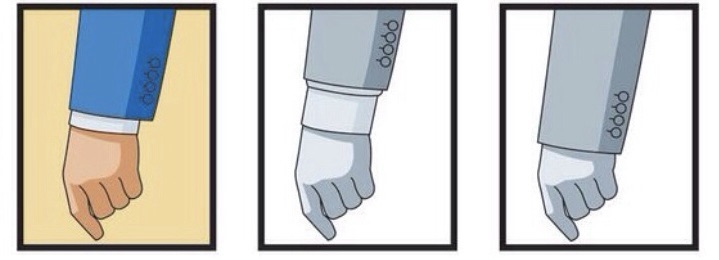
    Sleeve Length

    Look for a jacket with sleeves that end at your wrist bone, allowing a bit of your shirt cuff to show. While sleeves can be adjusted, starting with the right length minimizes alterations.

    Trouser Fit

    Choose trousers that fit well around the waist and hips. Ensure there is enough fabric at the hem and waist to allow for adjustments if necessary. Buying suit separates comes in handy, if you have a strong mismatch in jacket and trousers sizes.

    Fabric Quality

    Opt for high-quality fabric, such as wool or wool blends. Wool suits are categorized by their Super numbers (e.g., Super 120s), which indicate the fineness of the wool fibers. For instance, Super 120s wool is made from finer fibers, making the fabric smooth and soft, yet durable. Higher Super numbers, like Super 150s or Super 180s, are even finer and softer but might be less durable and more expensive. For everyday use, Super 100s to Super 120s wool is a good balance of quality, comfort, and durability.

    Key Adjustments to Consider
    Shortening the Sleeves
    Correct length – too short – too long

    Why It Matters: Sleeve length is one of the most noticeable aspects of a suit’s fit. Ideally, your shirt cuffs should be visible by about half an inch when your arms are at your sides.

    Adjustment: A tailor can easily shorten or lengthen the sleeves to achieve this perfect length, making your suit look much more polished. This adjustment is typically straightforward and cost-effective.

    Taking in the Sides

    Why It Matters: A suit jacket that fits well around the torso flatters your body shape and avoids the boxy look.

    Adjustment: Tailors can take in the sides of the jacket to create a more fitted silhouette. This involves slimming down the jacket around the waist and sides, enhancing your natural shape and making the suit look bespoke. This adjustment is often done in combination with adjusting the back seams for a balanced fit.

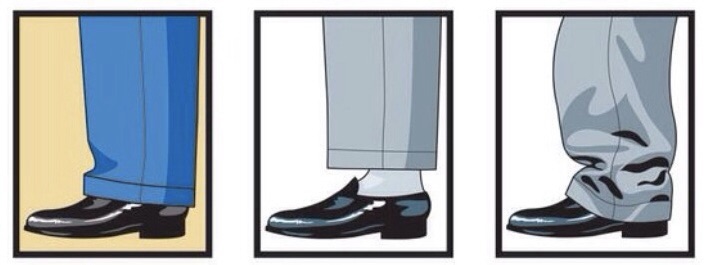
    Adjusting the Trouser Length
    Correct length – more casual variant – too long

    Why It Matters: Trousers that are too long or too short can ruin the overall look of a suit. The perfect length ensures a clean, sharp appearance.

    Adjustment: Tailors can hem the trousers to the correct length, whether you prefer a slight break or no break at all. Properly hemmed trousers should just graze the top of your shoes, creating a clean line. Additionally, consider tapering the trousers for a more modern and tailored look.

    Nipping the Waist

    Why It Matters: A well-defined waistline can make a significant difference in how the suit drapes on your body, providing a more tailored and sophisticated look.

    Adjustment: Tailors can take in the waist of both the jacket and trousers, ensuring they fit snugly without being too tight. This adjustment helps in highlighting your physique and ensuring the suit looks fitted rather than off-the-rack. It can involve adjusting the darts and side seams for a more contoured fit.

    Shoulder Adjustments

    Why It Matters: The shoulders are the backbone of a suit jacket’s fit. Poorly fitted shoulders can make the entire suit look sloppy.

    Adjustment: While more complex and sometimes pricier, adjusting the shoulders can significantly improve the overall fit. This involves adjusting the padding or the seam, making the jacket sit perfectly on your frame and aligning with your natural shoulder line. This is an adjustment best reserved for experienced tailors due to its complexity.

    Why Tailoring Your Suit is Essential

    Off-the-rack suits are designed to fit a generic body shape, but everyone’s body is unique. Tailoring adjusts the suit to fit your specific measurements, ensuring comfort and enhancing your natural features. A tailored suit communicates that you care about your appearance and are willing to invest in looking your best, which can positively influence how others perceive you in professional and social settings.

    Conclusion

    Investing in a few simple, affordable tailoring adjustments can transform an off-the-rack suit into a perfectly fitted ensemble that enhances your appearance and boosts your confidence. Whether it’s adjusting the sleeves, taking in the sides, or hemming the trousers, these changes make a significant difference in how you look and feel. Remember, the perfect fit is key to making a strong impression, so don’t underestimate the power of tailoring. Next time you purchase an off-the-rack suit, take the extra step to have it tailored to your body—it’s a small investment with a big payoff.

  • The Power of Dressing Up: Why Men Should Always Aim to Be Slightly Overdressed

    The Power of Dressing Up: Why Men Should Always Aim to Be Slightly Overdressed

    In today’s casual world, the idea of wearing a suit or maintaining business casual attire might seem old-fashioned. However, choosing to be slightly overdressed can make a significant difference in various aspects of your life. Here’s why men should consider dressing up, even when it’s not required.

    1. First Impressions Count

    First impressions happen in seconds. Your attire can communicate professionalism, attention to detail, and respect. A well-dressed man immediately exudes competence and reliability, setting a positive tone for any interaction. As Mark Twain once said, “Clothes make the man. Naked people have little or no influence on society.”

    2. Boost Your Confidence

    How you dress impacts how you feel about yourself. Dressing well can significantly boost your confidence and self-esteem, translating into how you carry yourself and interact with others. This confidence is particularly advantageous in professional settings. Yves Saint Laurent believed that “Dressing is a way of life,” emphasizing the power of good attire on one’s mindset.

    3. Show Respect and Commitment

    Dressing slightly better than required shows respect for your colleagues, clients, and workplace. It signals that you take your role seriously and are committed to presenting yourself in the best light, fostering a professional environment. Tom Ford encapsulates this by saying, “Dressing well is a form of good manners.”

    4. Stand Out from the Crowd

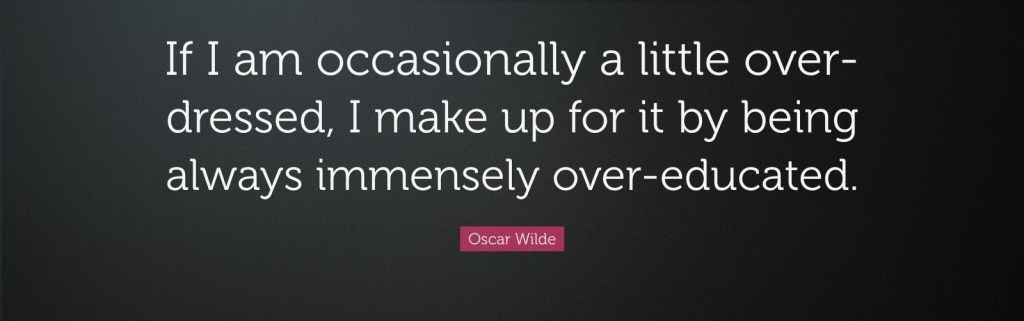
    In a casual-dress world, opting for a more formal appearance helps you stand out. It shows that you go above and beyond the minimum expectations, opening doors to opportunities, promotions, and positive recognition. “You can never be overdressed or overeducated,” Oscar Wilde famously quipped, highlighting the benefits of dressing well.

    5. Be Ready for Anything

    Being slightly overdressed means you’re prepared for unexpected opportunities, whether it’s an impromptu meeting with an executive or a networking event. A well-dressed man is always ready to make a great impression. As Edith Head put it, “You can have anything you want in life if you dress for it.”

    6. Enhance Your Professional Image

    Your attire contributes to your personal brand. Consistently dressing well helps build a professional image that aligns with your career aspirations, positioning you as someone serious about their career. Ralph Lauren wisely noted, “Style is very personal. It has nothing to do with fashion. Fashion is over quickly. Style is forever.”

    7. Cultural and Social Awareness

    Dressing well is often a sign of respect and good manners. It shows that you understand and adhere to the norms and expectations of your environment, crucial in global business settings. Giorgio Armani’s words, “Elegance is not standing out, but being remembered,” capture this sentiment perfectly.

    8. Influence Others

    Your attire affects how others perceive and interact with you. A well-dressed individual commands more respect and attention, facilitating better communication and more effective interactions. As fashion icon Coco Chanel said, “Dress shabbily and they remember the dress; dress impeccably and they remember the woman.”

    Conclusion

    While casual attire is on the rise, the benefits of being slightly overdressed are undeniable. From making strong first impressions to boosting confidence and standing out, dressing well offers numerous advantages. In a world where image and perception are crucial, a well-dressed man is always one step ahead. Following the wisdom of these style icons, embracing a polished look can significantly enhance your professional and personal life.

  • Monday fun day

    Monday fun day

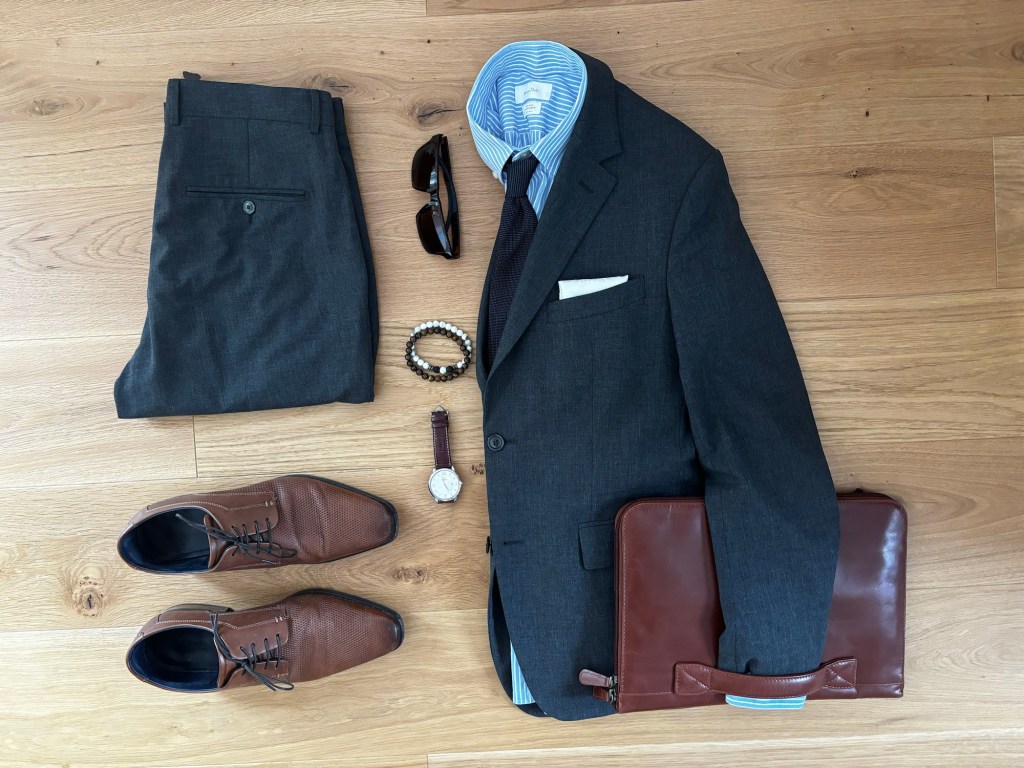
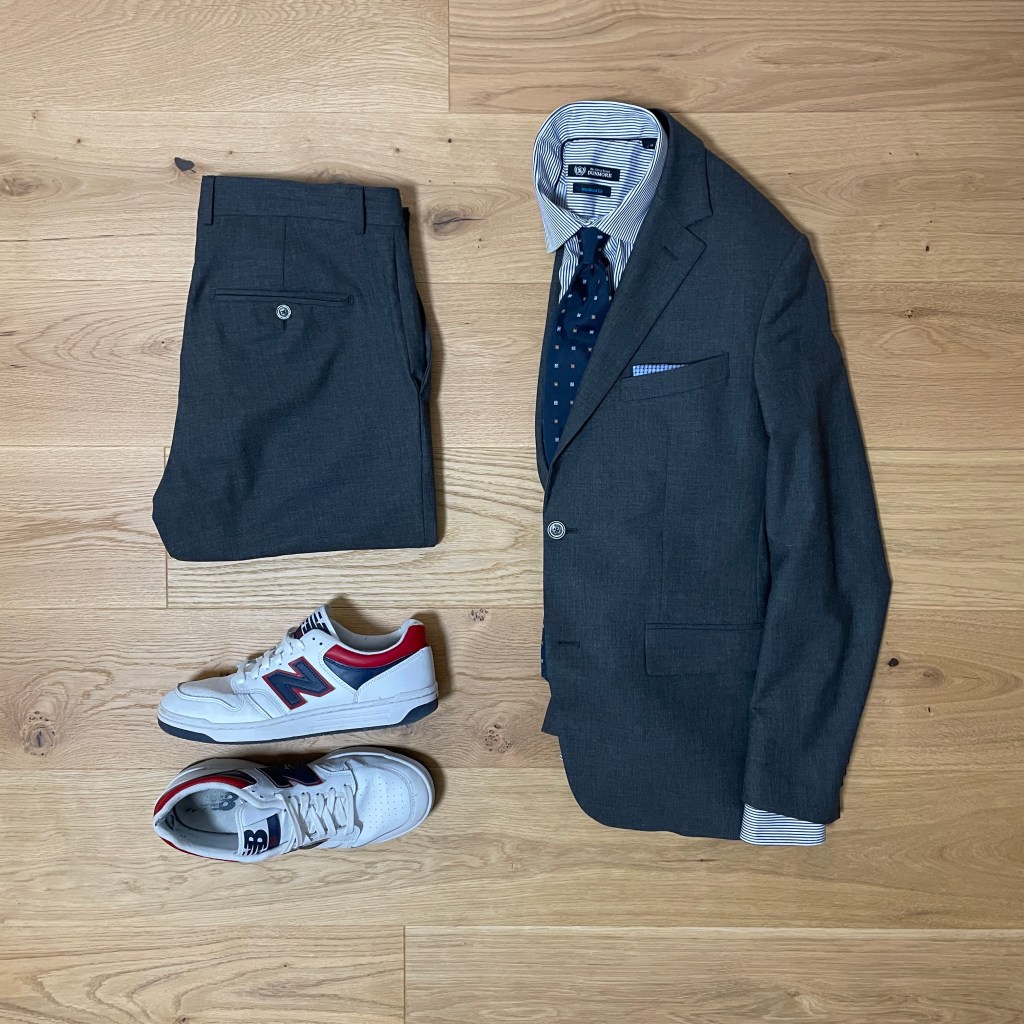
    Grey suit, blue/white striped shirt, navy tie and light brown accessories. Perfectly dressed for any workplace, destined to catch some funny looks from the colleagues showing up in cycling/ functional clothes made from shredded plastic bottles and Birkenstocks.

    To stand out has some pros and cons to it, but if you own your style and have some good story on your why for dressing well the pros outweigh the negative aspects.

    Keep it fun & don‘t take other people’s opinions to seriously!

  • Grey Suit – watched to much John Wick

    Grey Suit – watched to much John Wick

    ..but not enough to go full charcoal. Suit is from Mango Tailored and I was quite stunned by the quality and the fit. Pants are not as narrow as Massimo Dutti or Hugo Boss and I got the suit with a 30% discount. Only the trousers needed length adjustment, length of the jackets arms is quite good, a bit too much padding in the shoulders, but that’s currently en-vogue I guess.

    Maybe next time I will put it with black derbies, a black shirt and a charcoal tie. For the complete John Wick look I’m then only missing the hair.