

“It’s 6 AM. The alarm goes off. You’ve got emails waiting, breakfast to make, kids to wake up, and your workout? Still just an idea. Sound familiar?”
If you’re juggling a demanding career, a partner, kids, maybe even aging parents, the idea of fitting in an elaborate workout routine feels more like fantasy than reality. Between back-to-back meetings and bedtime stories, who has the time—or the mental bandwidth—for 90-minute gym sessions and meticulous macro counting?
The truth? You don’t need all of that to be fit, strong, and healthy. In fact, trying to do too much is often the very thing that derails us. That’s where minimalist training comes in—a practical, sustainable approach that prioritizes consistency over complexity and delivers real results without burnout.
1. The Problem: Too Much Fitness Advice, Too Little Time
Open Instagram or YouTube, and you’re hit with a firehose of fitness advice: 7-day workout splits, carb cycling, cold plunges, yoga, meditation, fasting windows. It’s overwhelming—and it’s paralyzing.
When you already have a full plate, trying to keep up with this fitness circus becomes another stressor. You skip a workout, feel guilty, and spiral into the all-or-nothing trap. The result? Inconsistency, frustration, and eventually, burnout.
2. Redefining Success: Consistency Over Complexity
Here’s the hard truth: your fitness routine doesn’t need to look like a personal trainer’s. In fact, it shouldn’t. You’re not getting paid to work out. Your job is to be present, productive, and healthy for the long haul.
That means success isn’t measured by six-pack abs or bench press PRs—it’s about how consistently you can move your body, build strength, and maintain energy, week after week, month after month.
Less time. Less stress. More life.
3. The Minimalist Fitness Mindset
Minimalist training isn’t lazy training—it’s smart training. It’s about doing the essential things well and ignoring the fluff. It’s about showing up with purpose, not perfection.
Think of it like this: your workout should energize your day, not drain it. It should simplify your life, not complicate it. When you remove decision fatigue and unrealistic expectations, you free up mental space for what truly matters.
4. The Core Elements of Minimalist Training
Let’s break it down to the fundamentals. Here’s all you really need:
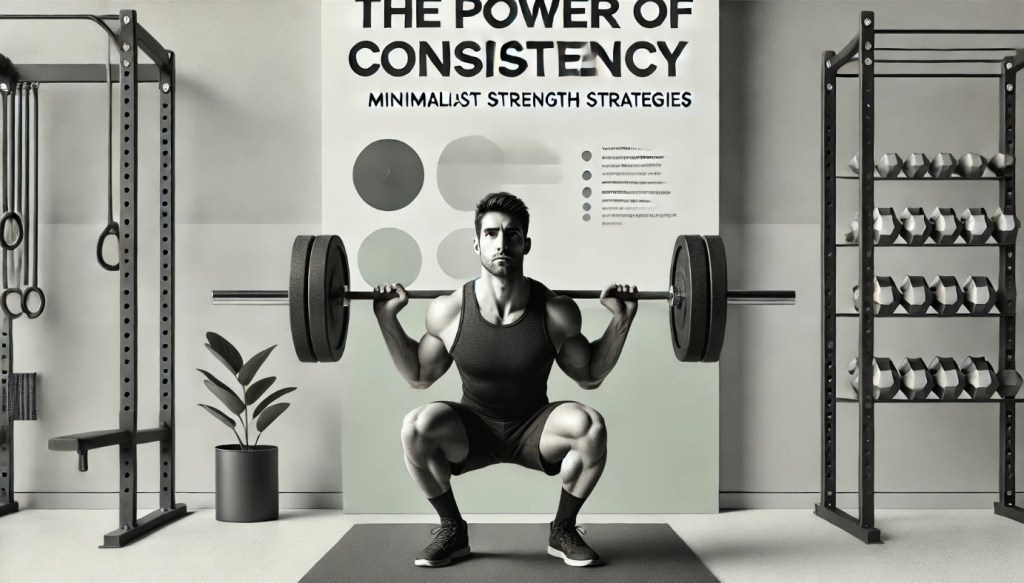
Strength Training (2–3x/week): Focus on compound lifts like squats, deadlifts, pushups, and rows. These give you the biggest bang for your buck. Cardio (daily movement): Walk the dog, bike with your kid, take the stairs. No need for hour-long runs unless you enjoy them. Mobility (5–10 min/day): A short routine to keep joints healthy and pain at bay. Foam rolling, stretching, or yoga flows work great.
Everything else? Optional. If it fits into your week, great. If not, don’t sweat it.
5. Sample Weekly Plan (For the Time-Starved Professional)
Here’s a realistic plan that fits into even the busiest schedules:
Monday:
30-minute full-body strength workout (Squats, Pushups, Rows) 15-minute walk after lunch
Wednesday:
30-minute strength (Deadlifts, Overhead Press, Core) 5-minute mobility flow
Friday:
30-minute bodyweight circuit at home Evening walk with the family
Saturday/Sunday (Optional):
Active hobby (hike, swim, bike) Stretch and recover
This gives you flexibility to miss a day without guilt—and still make progress.
6. Nutrition Without the Drama
Minimalist fitness includes minimalist eating. Forget 8-meal meal-prep Sundays or tracking every gram of protein.
Here’s the simple approach:
Eat mostly whole foods. Prioritize protein at every meal. Limit sugar and highly processed snacks. Repeat your meals. Uniform eating = less decision fatigue.
Keep a few go-to meals you can make in 10–15 minutes. Think omelets, Greek yogurt bowls, grilled chicken with frozen veggies. Not gourmet—but effective.
7. Signs You’re Doing Enough (Even If It Feels Like Less)
One of the biggest mental hurdles in minimalist training is feeling like you’re not doing enough. But here’s how to know your routine is working:
You sleep better and wake up with more energy. Your clothes fit better. You’re gradually lifting heavier or moving more fluidly. Your posture and confidence improve. You no longer dread workouts—you actually look forward to them.
Minimalist training won’t leave you gasping on the floor, but it will leave you feeling stronger and more capable every day.
8. Burnout is the Real Enemy — Not Lack of Time
Fitness isn’t about going hard—it’s about going long. Burnout kills more fitness goals than laziness ever could.
If your workout routine demands more than you can consistently give, it’s a bad routine. The “all-or-nothing” mindset is the enemy of progress. It’s far better to train less and recover more—so you can keep showing up.
Remember: done consistently, even 20-minute sessions build incredible results over time.
9. Mastering Fitness with a Family Man’s Mentality
The busy professional doesn’t need a six-pack to feel strong. He needs energy to play with his kids after work. He needs mobility to carry groceries without pain. He needs endurance to lead at work and still be present at home.
Minimalist training respects your time. It aligns with your values. And it helps you build a foundation that supports—not competes with—your life.
Final Thoughts
Less is more—especially when you’re managing a full life outside the gym. Minimalist training isn’t just efficient. It’s liberating. It allows you to stay fit, strong, and healthy without sacrificing your family, career, or sanity.
Show up. Do what matters. Then get back to what you’re really training for: life.
Bonus for Readers:
Download your free Minimalist Fitness Checklist for Busy Professionals and start simplifying your fitness today.
 Sebastian Strobl