
When it comes to looking your best in a suit, fit is everything. Even the most expensive, stylish suit can look mediocre if it doesn’t fit well. Conversely, a moderately priced off-the-rack suit can look exceptional with a few simple and inexpensive tailoring adjustments. In this article, we’ll explore some key alterations every tailor can make to enhance the fit and appearance of your suit and discuss why these adjustments are crucial for making a lasting impression.
What to Look for in an Off-the-Rack Suit
Before even considering alterations, it’s essential to choose an off-the-rack suit that serves as a good starting point. Here are a few key aspects to focus on:
Shoulder Fit
The shoulders are the most challenging part of a suit to alter. Ensure that the jacket fits well across your shoulders without any sagging or tightness. The seam should align perfectly with the edge of your shoulder.
Jacket Length

The bottom of the jacket should cover your buttocks and the top of your thighs. This length is generally flattering and aligns with traditional suit proportions.
Sleeve Length
Look for a jacket with sleeves that end at your wrist bone, allowing a bit of your shirt cuff to show. While sleeves can be adjusted, starting with the right length minimizes alterations.
Trouser Fit
Choose trousers that fit well around the waist and hips. Ensure there is enough fabric at the hem and waist to allow for adjustments if necessary. Buying suit separates comes in handy, if you have a strong mismatch in jacket and trousers sizes.
Fabric Quality
Opt for high-quality fabric, such as wool or wool blends. Wool suits are categorized by their Super numbers (e.g., Super 120s), which indicate the fineness of the wool fibers. For instance, Super 120s wool is made from finer fibers, making the fabric smooth and soft, yet durable. Higher Super numbers, like Super 150s or Super 180s, are even finer and softer but might be less durable and more expensive. For everyday use, Super 100s to Super 120s wool is a good balance of quality, comfort, and durability.
Key Adjustments to Consider
Shortening the Sleeves
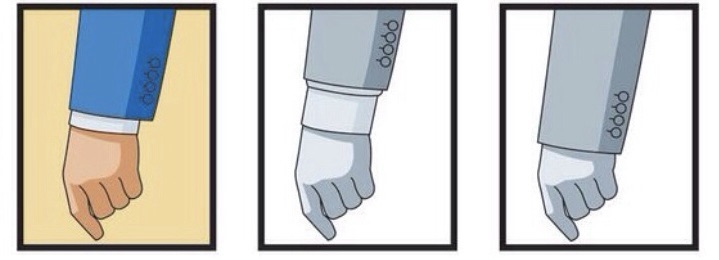
Why It Matters: Sleeve length is one of the most noticeable aspects of a suit’s fit. Ideally, your shirt cuffs should be visible by about half an inch when your arms are at your sides.
Adjustment: A tailor can easily shorten or lengthen the sleeves to achieve this perfect length, making your suit look much more polished. This adjustment is typically straightforward and cost-effective.
Taking in the Sides
Why It Matters: A suit jacket that fits well around the torso flatters your body shape and avoids the boxy look.
Adjustment: Tailors can take in the sides of the jacket to create a more fitted silhouette. This involves slimming down the jacket around the waist and sides, enhancing your natural shape and making the suit look bespoke. This adjustment is often done in combination with adjusting the back seams for a balanced fit.
Adjusting the Trouser Length
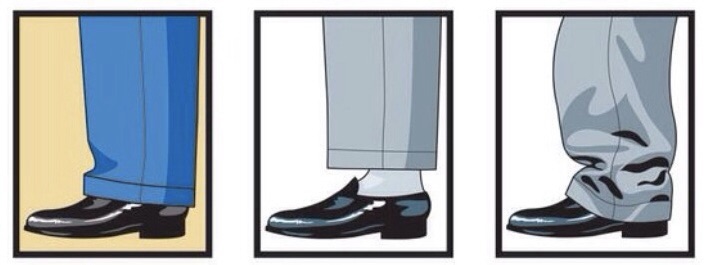
Why It Matters: Trousers that are too long or too short can ruin the overall look of a suit. The perfect length ensures a clean, sharp appearance.
Adjustment: Tailors can hem the trousers to the correct length, whether you prefer a slight break or no break at all. Properly hemmed trousers should just graze the top of your shoes, creating a clean line. Additionally, consider tapering the trousers for a more modern and tailored look.
Nipping the Waist
Why It Matters: A well-defined waistline can make a significant difference in how the suit drapes on your body, providing a more tailored and sophisticated look.
Adjustment: Tailors can take in the waist of both the jacket and trousers, ensuring they fit snugly without being too tight. This adjustment helps in highlighting your physique and ensuring the suit looks fitted rather than off-the-rack. It can involve adjusting the darts and side seams for a more contoured fit.
Shoulder Adjustments
Why It Matters: The shoulders are the backbone of a suit jacket’s fit. Poorly fitted shoulders can make the entire suit look sloppy.
Adjustment: While more complex and sometimes pricier, adjusting the shoulders can significantly improve the overall fit. This involves adjusting the padding or the seam, making the jacket sit perfectly on your frame and aligning with your natural shoulder line. This is an adjustment best reserved for experienced tailors due to its complexity.
Why Tailoring Your Suit is Essential
Off-the-rack suits are designed to fit a generic body shape, but everyone’s body is unique. Tailoring adjusts the suit to fit your specific measurements, ensuring comfort and enhancing your natural features. A tailored suit communicates that you care about your appearance and are willing to invest in looking your best, which can positively influence how others perceive you in professional and social settings.
Conclusion
Investing in a few simple, affordable tailoring adjustments can transform an off-the-rack suit into a perfectly fitted ensemble that enhances your appearance and boosts your confidence. Whether it’s adjusting the sleeves, taking in the sides, or hemming the trousers, these changes make a significant difference in how you look and feel. Remember, the perfect fit is key to making a strong impression, so don’t underestimate the power of tailoring. Next time you purchase an off-the-rack suit, take the extra step to have it tailored to your body—it’s a small investment with a big payoff.
 Sebastian Strobl