
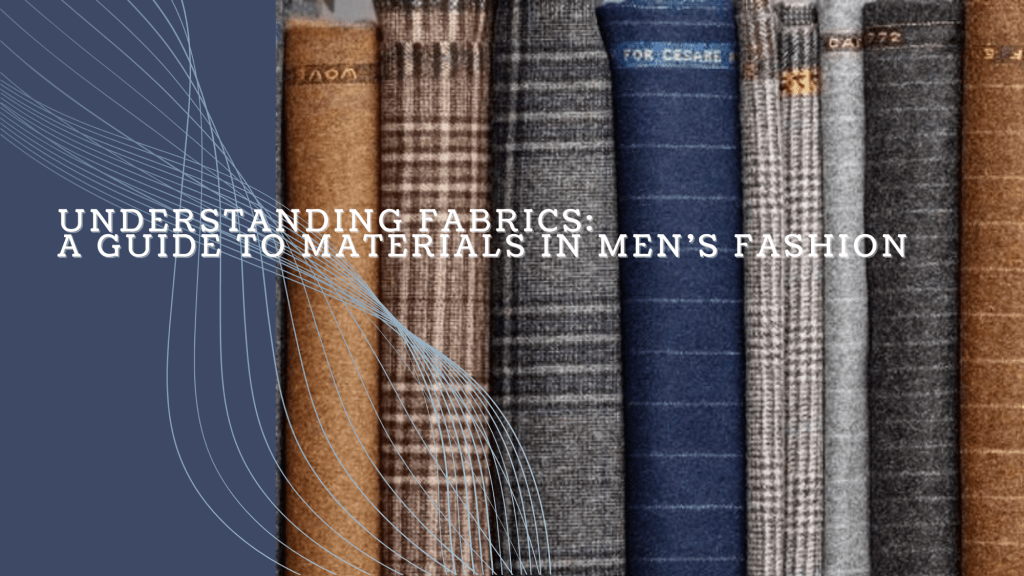
When it comes to men’s fashion, fabric choice is just as important as fit and style. Different materials offer varying levels of comfort, durability, and style. Whether you’re dressing up in a suit or relaxing in chinos, understanding the fabrics you wear will help you choose the best options for different seasons and occasions. This guide covers the most common pieces in a man’s wardrobe—from suits and dress shirts to polo shirts and outerwear—and helps you pick the right fabric for every scenario.
1. Suits
The suit is a wardrobe staple for the modern man, and the fabric you choose can make all the difference in how the suit looks and feels. Common fabrics for suits include:
- Wool: The most popular fabric for suits, wool is a versatile material that can be worn year-round. It’s breathable, durable, and has natural stretch. For summer, look for lightweight wool, while heavier wool is great for winter.
- Linen: Ideal for summer, linen is a lightweight and breathable fabric that helps keep you cool. It does wrinkle easily, but this adds to its relaxed, casual aesthetic.
- Seersucker: Another summer favorite, seersucker has a puckered texture that promotes airflow and keeps you cool. Its distinct pattern makes it perfect for warm-weather events.
- Cotton: Cotton suits are great for a more casual look and offer a middle ground between linen and wool. They’re comfortable and breathable but can wrinkle easily.
2. Slacks and Chinos
Slacks and chinos are go-to options for both casual and business casual wear.
- Wool: Wool slacks are a classic choice for formal occasions or business settings. Worsted wool is a good all-season option, while flannel wool is warmer for winter.
- Cotton Twill: Chinos are often made from cotton twill, which is a durable and breathable fabric. Heavier cotton is great for colder weather, while lightweight cotton is perfect for summer.
- Stretch Cotton: Many modern chinos incorporate a small percentage of elastane or spandex for added stretch and comfort.
3. Blazers & Sports Coats
Blazers and sports coats come in a variety of fabrics, each suited for different seasons and occasions.
- Wool & Wool Blends: Wool is a popular fabric for blazers because it’s versatile, breathable, and durable. Wool blends (often mixed with polyester or silk) can offer a more relaxed feel while retaining wool’s elegance.
- Tweed: A type of wool with a rougher texture, tweed is perfect for colder months. It’s heavier and more insulating, making it great for fall and winter.
- Houndstooth & Herringbone: These are specific weaving patterns often used in wool or wool blends. They offer a sophisticated texture and are typically worn in cooler months.
- Linen: For summer blazers, linen is ideal due to its lightweight and breathable nature.
4. Polo Shirts
Polo shirts are a casual essential, often seen in warmer months.
- Pique Cotton: Pique cotton is known for its textured weave and breathability. It’s the most common material used for polo shirts and is perfect for warm weather.
- Jersey Cotton: Softer and more flexible than pique, jersey cotton offers a smooth finish and is comfortable for casual wear. It’s also more lightweight.
- Merino Wool: While wool might seem unusual for a polo, merino wool is breathable and temperature-regulating, making it a great option for spring and fall polos.
5. Dress Shirts & Oxford Button-Downs
Dress shirts are a must for any professional wardrobe, and fabric plays a huge role in comfort and appearance.
- Poplin: This tightly woven cotton fabric is smooth and lightweight, making it perfect for dress shirts in the spring and summer. It has a crisp feel and holds its shape well.
- Oxford Cloth: Oxford cloth has a basketweave structure that makes it thicker and more durable than poplin. It’s often used in button-down shirts and works well in casual or business casual settings.
- Broadcloth: Similar to poplin but with a more formal appearance, broadcloth is soft and has a subtle sheen, making it a great option for dressier occasions.
- Flannel: A warmer option for colder months, flannel shirts are made from cotton or wool and have a soft, brushed texture.
6. Outerwear
Outerwear is all about balancing style and functionality, and the fabric you choose should depend on the season and your personal style.
- Wool Coats & Peacoats: Wool is a classic fabric for outerwear because it’s warm, durable, and naturally water-resistant. Peacoats, often made from thick wool, are ideal for winter months.
- Safari Jackets: Traditionally made from cotton, safari jackets are lightweight and perfect for spring and summer. Modern versions may incorporate linen for extra breathability.
- Cashmere: Known for its softness and luxurious feel, cashmere is a high-end wool that’s perfect for lightweight but warm coats. It’s ideal for transitional seasons.
- Nylon & Polyester: Common in technical jackets, these synthetic materials are lightweight, water-resistant, and durable, making them ideal for raincoats and windbreakers.
Choosing Fabrics for Different Seasons
When selecting fabrics, it’s important to think about both the material itself and the weaving structure. Here are some seasonal tips:
- Spring/Summer: Opt for lightweight and breathable fabrics like linen, cotton, and seersucker. Open weaves and lighter colors help keep you cool.
- Fall/Winter: Look for heavier fabrics like wool, flannel, and tweed to provide warmth and insulation. Tight weaves and darker colors work best in cooler months.
- All-Season: Fabrics like merino wool, cotton, and lightweight wool can transition well between seasons. These materials regulate temperature effectively and are comfortable in both warm and cool weather.
Conclusion
Understanding fabrics can take your wardrobe to the next level. Choosing the right material not only ensures you look sharp but also keeps you comfortable throughout the day. Whether you’re suiting up for a formal event or dressing down for a casual outing, knowing which fabrics work best for each situation will elevate your style game. Keep these tips in mind as you build a versatile, stylish wardrobe suited for every season.
 Sebastian Strobl