Tag: time-management

  • How to Maintain Work-Life Balance as a Project Manager: Strategies for Setting Boundaries and Avoiding Burnout

    How to Maintain Work-Life Balance as a Project Manager: Strategies for Setting Boundaries and Avoiding Burnout

    As a project manager, you likely wear many hats: overseeing tasks, managing teams, meeting deadlines, and keeping stakeholders happy. It’s a role that often demands attention 24/7, leaving little room for personal time or rest. You may have found yourself checking emails late at night, taking client calls during family dinners, or getting caught up in tasks even on weekends.

    The pressure is real. But, as a project manager, maintaining a healthy work-life balance is essential, not only for your personal well-being but for your professional success too. In this article, we’ll explore strategies to set boundaries, stay productive, and avoid burnout, all while maintaining the balance that is so crucial to long-term success.


    1. The Challenges of Project Management and Work-Life Balance

    Project management is inherently demanding. With tight deadlines, constant communication, and shifting priorities, it’s easy for work to spill into personal time. Whether you’re leading large teams, managing complex deliverables, or juggling multiple clients, the challenges seem never-ending.

    However, this pressure often comes at a cost: burnout. Project managers are especially prone to stress due to the responsibility of overseeing projects from start to finish. This role, while rewarding, can leave you feeling overwhelmed and drained if boundaries aren’t set.

    The early signs of burnout can be subtle—fatigue, irritability, and a decline in productivity. Over time, these signs build up, and the impact can spill over into your personal life. So, how can you regain control and maintain balance? Let’s dive into some strategies.


    2. Strategy #1: Define and Communicate Clear Boundaries

    The first step in maintaining balance is knowing when to switch off. As a project manager, it’s tempting to be always “on,” checking emails at all hours, or responding to requests immediately. However, this lack of boundaries only increases stress.

    Work Hours: Establish clear working hours. It’s essential to set specific times when you’re available and stick to them. Once your workday ends, unplug. Not only will this help reduce stress, but it will also allow you to recharge, ensuring you’re ready for the next day.

    Tech Boundaries: In today’s digital age, it’s easy for work to intrude on personal time. Set limits on when and how you’ll check emails, messages, or project management platforms after work hours. Consider turning off email notifications outside your defined work hours.

    Communicate Effectively: Let your team and clients know your boundaries. Being proactive in communicating when you’re available shows that you respect your time and theirs. This might mean saying, “I’ll get back to you tomorrow” or “I’m offline after 6 p.m.” It’s about setting expectations upfront.

    By defining and communicating clear boundaries, you create a structured environment where work doesn’t intrude on your personal time, and you protect your well-being.


    3. Strategy #2: Prioritize Tasks and Delegate

    You don’t have to do everything yourself. In fact, trying to manage everything on your own will only lead to exhaustion and burnout.

    The Power of Delegation: Delegating tasks is a crucial skill for any project manager. Recognize that you can’t (and shouldn’t) handle every task. Trust your team and assign tasks based on their strengths. This not only helps lighten your load but also empowers your team, fostering a more collaborative environment.

    Use Project Management Tools: Tools like Asana, Trello, and Jira can help you prioritize tasks effectively. These platforms allow you to manage your time better by organizing tasks, setting deadlines, and tracking progress. You can easily identify urgent tasks versus long-term goals and tackle them systematically.

    SMART Goals: When setting goals, use the SMART framework—Specific, Measurable, Achievable, Relevant, and Time-bound. This ensures that you are focused on what truly matters and helps you avoid taking on too many projects at once. Setting realistic goals will also make it easier to delegate tasks and avoid overwhelming yourself.

    By prioritizing and delegating, you free up time to focus on high-level tasks that require your expertise and leadership, while still keeping everything on track.


    4. Strategy #3: Learn to Say “No” (and How to Do It Gracefully)

    One of the hardest things to do as a project manager is to say no. Whether it’s a client request, an urgent task, or additional responsibilities, the temptation to take it all on can be overwhelming. However, saying yes to everything leads to burnout and undermines your ability to prioritize.

    Tactical “No”: Saying no doesn’t mean you’re refusing to be helpful—it means you’re being realistic about what you can manage. Saying no can also be framed positively, like, “I’m unable to take on that task right now, but let’s discuss how we can prioritize it for the future.”

    Managing Client Expectations: Clients may occasionally push for unrealistic timelines or additional features. Don’t be afraid to push back. Politely but firmly explain that you need to respect your team’s capacity to deliver high-quality work without compromising timelines. Having a clear rationale for saying no will help clients understand your reasoning.

    Sample Script: “I’d love to help with this request, but my current workload means I won’t be able to give it the attention it deserves. Let’s find a way to address it in the coming days.”

    Learning to say no helps you protect your time and energy, ensuring that you’re not stretched too thin.


    5. Strategy #4: Embrace Flexibility with Remote Work and Time Management

    While project management often involves being on-site or in meetings, embracing flexibility can lead to a better work-life integration.

    Hybrid Work Benefits: If your company allows it, explore the benefits of hybrid work or remote days. A day at home can help reduce commute time, provide a quieter environment for focused work, and allow for a better work-life balance overall.

    Time Blocks & Focus: Time-blocking is a highly effective time management method. Set aside blocks of uninterrupted time to work on specific tasks. For instance, dedicate one hour in the morning for deep work on project plans and another in the afternoon for team meetings or emails.

    Tools for Focus: Use focus tools like the Pomodoro Technique or task timers to stay on track. These tools can help you concentrate on one task at a time, reducing distractions and increasing productivity.

    Flexibility in your work setup and time management allows you to balance both professional and personal commitments with ease.


    6. Strategy #5: Invest in Self-Care and Wellness

    Physical and mental health should always be a priority. If you’re constantly running on empty, it’s impossible to lead effectively or maintain balance in your life.

    Physical Health: Make time for regular exercise, sleep, and nutrition. A healthy body leads to a clearer mind and more energy. Even short 15-minute workouts or stretching during breaks can help alleviate physical tension, especially if you’re dealing with the aches and pains of desk work.

    Mental Health: Mental well-being is just as important. Practices like mindfulness, meditation, or simply taking a break to breathe can reduce stress and increase focus.

    Quick Wins: Even on the busiest days, find small ways to practice self-care. Take a five-minute walk outside, hydrate regularly, or listen to a calming podcast during your commute. These moments help recharge your energy and improve your focus throughout the day.

    By investing in yourself, you increase your capacity to perform at your best while keeping burnout at bay.


    7. Strategy #6: Build a Support System

    You don’t have to navigate the challenges of project management alone. Having a strong support system, both at work and in your personal life, makes all the difference.

    Work Support: Build a network of mentors, colleagues, and friends within your company. Having someone to share your experiences with or seek advice from can provide both emotional support and practical solutions.

    Personal Support: Your family and friends play a crucial role in helping you disconnect from work. Make time to connect with loved ones, share experiences, and unwind together.

    Networking and Peer Groups: Join project management groups or online communities. Networking with peers who understand the unique challenges you face can offer valuable insights and coping strategies.

    A strong support system makes it easier to navigate the ups and downs of project management while maintaining a healthy work-life balance.


    Conclusion

    Maintaining a work-life balance as a project manager is no small feat, but it’s essential for both your personal well-being and professional success. By defining boundaries, prioritizing tasks, saying no when necessary, embracing flexibility, investing in self-care, and building a strong support system, you can avoid burnout and lead with clarity and energy.

    Now that you’ve learned these strategies, what’s one step you can take today to start setting boundaries or preventing burnout in your own life? Let’s hear your best work-life balance tips or challenges in the comments below!
  • Master Time Blocking: The Proven Strategy to Take Control of Your Schedule and Boost Productivity

    Master Time Blocking: The Proven Strategy to Take Control of Your Schedule and Boost Productivity

    In an age where notifications pop up faster than thoughts, and multitasking is worn like a badge of honor, many professionals feel like they’re always working — but rarely making meaningful progress. The secret to cutting through this noise? It’s not a new app or an extra shot of espresso. It’s time blocking.

    Time blocking is a deceptively simple yet powerful method for managing your schedule and directing your focus where it matters most. Think of it as giving every hour of your day a job. Let’s dive in and turn your scattered to-dos into structured victories.


    What Is Time Blocking?

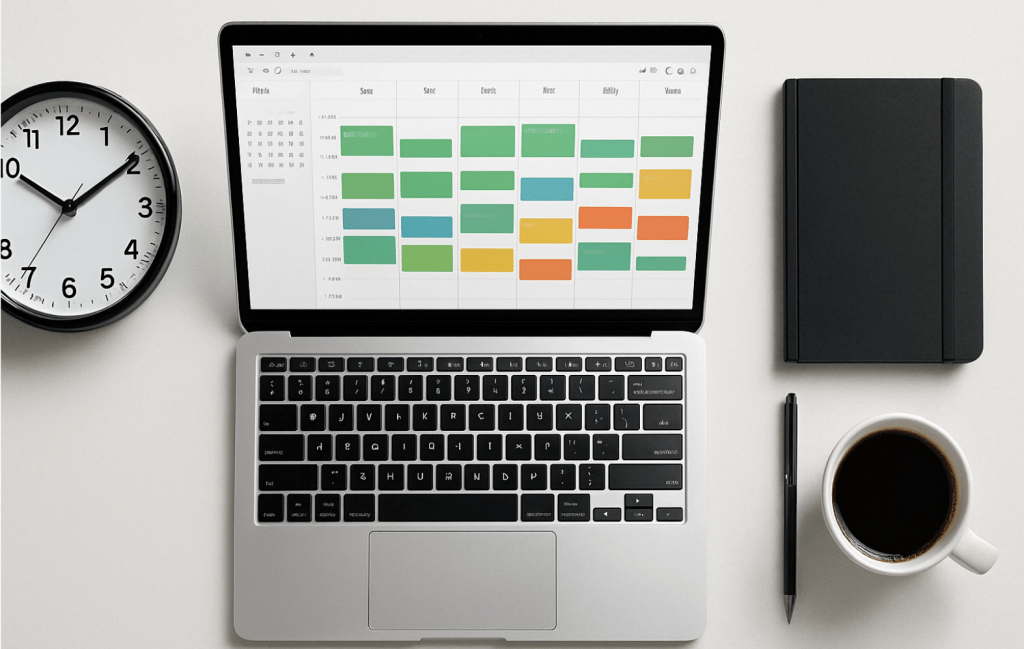
    Time blocking is the practice of dividing your day into discrete chunks of time, each dedicated to a specific task or category of work. Instead of keeping an open-ended to-do list that gets endlessly carried over, you assign specific tasks to specific time slots.

    For example, 9:00–11:00 AM might be for writing a report, 11:00–11:30 AM for email triage, and 1:00–2:00 PM for meetings. The beauty lies in the simplicity: focus on one thing at a time, without guilt about everything else.

    Unlike multitasking, which splits your focus and burns mental fuel fast, time blocking fosters deep work—intense concentration on one meaningful task at a time.


    Why Time Blocking Works (Backed by Psychology)

    Ever notice how a task expands to fill the time you give it? That’s Parkinson’s Law in action. Time blocking flips this law on its head. By putting boundaries around a task, you force yourself to work smarter and with more urgency.

    Plus, time blocking reduces decision fatigue. Instead of deciding in the moment what to do next (and risking a doom scroll instead), you follow your pre-decided plan like a GPS for your day.


    Types of Time Blocks You Can Use

    To make time blocking practical, think of your schedule like a Lego set. Here are the main block types you’ll use:

    • Deep Work Blocks – Reserved for focused, high-impact work like writing, strategic thinking, or coding. No emails, no Slack, no phone.
    • Admin Blocks – Knock out repetitive tasks like responding to emails, filing documents, or updating spreadsheets.
    • Buffer Blocks – Leave room for the unexpected: overflows, quick calls, or simply breathing room between intense sessions.
    • Personal Blocks – Don’t forget lunch, movement, or school runs. Life outside of work deserves structure too.
    • Theme Days – Dedicate entire days to one type of task, like “Meeting Monday” or “Content Friday.” Great for freelancers or team leads.

    How to Set Up a Time Blocking System That Works

    You don’t need to be a Type-A planner with color-coded markers to start time blocking. Here’s a simple roadmap:

    1. Audit Your Time
      For one day, track how you actually spend your time. You might be shocked how often “quick email checks” turn into Instagram detours.
    2. Define Priorities
      Identify your high-leverage tasks—the 20% that brings 80% of your results. Block time for these first.
    3. Choose Your Tools
      Start with Google Calendar, Notion, or a good old-fashioned planner. The best tool is the one you’ll actually use.
    4. Design Your Ideal Week
      Use recurring blocks where possible. Add deep work in the morning if that’s your peak energy time.
    5. Test and Adjust
      Life isn’t static. Treat your calendar like a working draft, not a prison sentence. Adjust weekly.

    Tools & Templates for Better Blocking

    A few tools that make time blocking ridiculously easy:

    • Google Calendar: Set recurring events, color-code blocks, and sync across devices.
    • Sunsama or Motion: Productivity apps that integrate task lists with time blocking.
    • Notion: Great for pairing your weekly planning with notes, goals, and project tracking.

    Bonus Tip: Create a printable weekly template to plan blocks every Sunday evening. Think of it as a ritual to prime your week for success.


    Avoid These Common Pitfalls

    Even a brilliant method like time blocking can backfire if you fall into these traps:

    • Overblocking: Packing every hour from 8 to 8 leaves no room for flexibility—and invites burnout.
    • Unrealistic Time Estimates: Always overestimate how long things take. Tasks expand. Life happens.
    • Skipping Breaks: You’re not a robot. Schedule short resets to boost your focus.
    • Ignoring Energy Levels: Match tough tasks with peak energy. Don’t schedule brainstorming after lunch if that’s your nap zone.

    Real-Life Example: A Day in a Time-Blocked Life

    Let’s look at an example for a working professional:

    Tuesday

    • 7:00–8:00 AM: Morning routine & family breakfast
    • 8:00–10:00 AM: Deep Work – Presentation prep
    • 10:00–10:30 AM: Break & walk
    • 10:30–12:00 PM: Client meetings
    • 12:00–1:00 PM: Lunch & recharge
    • 1:00–2:30 PM: Admin & follow-ups
    • 2:30–4:00 PM: Project planning
    • 4:00–4:30 PM: Buffer block
    • 5:00 PM onward: Workout, dinner, downtime

    Suddenly, your day has rhythm. You move with intention, not reaction.


    Level Up: Advanced Time Blocking Techniques

    • Time Boxing: Add a deadline to each block. “I’ll spend 45 minutes on this task—then I’m done.”
    • Batching: Group similar tasks to minimize context switching.
    • Weekly Reviews: Reflect on what worked, what didn’t, and adjust next week’s blocks.
    • Theme Days: Apply a broad theme to each day of your week. Helpful for solopreneurs or creators.

    Final Thoughts: Time Blocking Is Self-Respect in Action

    Time blocking isn’t about being rigid. It’s about being intentional. It’s a tool that helps you say yes to what matters and no to distractions.

    When you assign your hours with purpose, you move from scattered to strategic. From overwhelmed to in control.

    So, here’s your challenge: block just tomorrow. No need to over-engineer it. Choose your top three tasks and give them each a home on your calendar. Then show up.

    Because productivity isn’t about doing more — it’s about doing what matters, on purpose.

  • Minimalist Meetings: Save Time, Boost Productivity, and Achieve More

    Minimalist Meetings: Save Time, Boost Productivity, and Achieve More

    Introduction: Why Most Meetings Are a Waste of Time

    Let’s be honest — most meetings suck. They start late, meander through irrelevant discussions, and leave attendees wondering why they were invited in the first place. Meanwhile, your actual work piles up.

    Consider this: The average professional spends 31 hours per month in unproductive meetings. That’s nearly four full workdays lost to discussions that could have been emails, Slack updates, or — better yet — completely unnecessary.

    Minimalism isn’t just for decluttering closets or simplifying wardrobes. It’s a powerful principle that can transform how we work, starting with meetings. A minimalist meeting is lean, efficient, and focused. It gets straight to the point, respects everyone’s time, and delivers tangible outcomes.

    Let’s break down how to run minimalist meetings that cut time while improving results.


    The Cost of Inefficient Meetings

    Before we get into the solution, let’s address the problem.

    Bad meetings cost more than just time — they hurt productivity, morale, and even revenue. Here’s how:

    Time Drain: In a year, companies lose over $37 billion due to unproductive meetings. That’s a lot of coffee-fueled discussions going nowhere.

    Meeting Fatigue: Employees forced into endless calls and discussions suffer from decision fatigue — the brain’s version of exhaustion from too much thinking.

    Lack of Clarity: Many meetings lack a clear purpose, leading to circular conversations and no concrete action.

    Lost Work Hours: Every hour spent in an unnecessary meeting is an hour not spent on actual work. Multiply that across teams, and the impact is massive.

    So, what’s the fix? Let’s apply minimalism to meetings.


    The Core Principles of Minimalist Meetings

    Minimalist meetings follow a less but better approach. They strip away everything unnecessary while focusing on impact. Here are five core principles to adopt:

    1. Necessity First: Should This Meeting Even Happen?

    Before scheduling a meeting, ask: “Can this be resolved without a meeting?”
    If a quick email, Slack update, or Loom video can do the job, cancel the meeting and let everyone get back to work.

    2. Clear Objectives: What’s the Goal?

    Every meeting should answer:
    ✅ What are we deciding, solving, or clarifying?
    ✅ What should attendees do after this meeting?
    If there’s no clear answer, the meeting shouldn’t exist.

    3. Lean Attendance: Who Actually Needs to Be Here?

    Ever sat through a meeting thinking, Why am I even here?
    Keep the invite list strictly necessary. Anyone who doesn’t contribute or gain something actionable should be left out (and can receive a summary later).

    4. Time Constraints: Keep It Short & Focused

    The default meeting length should be 15 to 30 minutes, max.
    If a topic takes longer, it probably needs:

    • Better preparation
    • A document or asynchronous discussion
    • A decision already made
    5. Action-Oriented: No Meeting Without a Takeaway

    A meeting is only valuable if it results in action. Every meeting should end with:
    ✅ Decisions made
    ✅ Next steps assigned
    ✅ Owners for each task
    ✅ A deadline for follow-ups

    If none of this happens? That meeting was a waste of time.


    How to Plan a Minimalist Meeting

    1. Set a Simple Agenda (and Stick to It)

    A minimalist meeting lives or dies by its agenda. Here’s a template:

    📝 Subject: Decision on [specific issue]
    Time limit: [15-30 min]
    🎯 Goal: Decide [X] and assign actions
    👥 Who’s attending: Only [essential people]
    📌 Agenda:

    • [Problem] (5 min)
    • [Discussion] (10 min)
    • [Decision & Action Steps] (5 min)

    If someone tries to go off-track, politely bring it back:
    “That’s an important discussion — let’s take it offline after the meeting.”

    2. Assign Roles to Avoid Chaos

    Facilitator: Keeps things on track.
    Timekeeper: Ensures it ends on time.
    Note-Taker: Captures decisions and action items.
    Decision-Maker: If the team is stuck, this person makes the call.


    Conducting a Minimalist Meeting

    Even a well-planned meeting can derail if not executed properly. Here’s how to run it effectively.

    Start on Time, End on Time
    • If a meeting is scheduled for 10:00 AM, start at 10:00 AM sharp—not 10:05, not when everyone “settles in.”
    • End exactly when planned. The last five minutes should be for action items.
    Stick to the Agenda (No Side Conversations)

    If someone derails the discussion:
    🚀 “Great point! Let’s note that for later and get back to the agenda.”

    Use the ‘Two-Minute Rule’

    If a topic takes more than two minutes to resolve, move it to an offline discussion.

    Decide & Assign Next Steps

    Before the meeting ends, ensure:
    Decisions are made (no “we’ll think about it” nonsense).
    Each task has an owner (no “we’ll all do it” vagueness).
    A deadline is set (or the task won’t happen).


    Tools & Techniques to Enhance Minimalist Meetings

    1. Use Async Communication Instead

    Consider replacing meetings with:
    Slack updates for quick decisions
    Loom videos for explanations
    Notion or Confluence pages for documentation

    2. Leverage AI and Automation

    🔹 Otter.ai or Fireflies – AI transcribes and summarizes meetings.
    🔹 Calendly – Schedule shorter, time-boxed meetings.
    🔹 Asana, Trello, or Monday.com – Manage tasks without meetings.

    3. Try Stand-Up Meetings

    Stand-up meetings (max 10-15 minutes) force brevity and efficiency.

    4. Implement the “No-Meeting Days” Rule

    Companies like Shopify and Atlassian have No-Meeting Wednesdays to protect deep work time.


    The No-Meeting Culture: When to Skip Meetings Altogether

    🚫 Replace status update meetings with a shared document.
    🚫 Skip brainstorming meetings — use async tools like Miro.
    🚫 Cancel “weekly check-ins” if they add no new value.

    Before accepting any meeting invite, ask yourself:
    Will this move the needle?
    Is there a faster way to handle this?
    If not, decline it.


    Conclusion: Run Fewer, Better Meetings

    Meetings should serve a purpose, not be a default.
    By following minimalist meeting principles, you’ll:
    ✅ Cut down wasted time
    ✅ Boost team productivity
    ✅ Make faster, clearer decisions

    Your Next Steps:

    📌 Audit your current meetings – which can be eliminated?
    📌 Apply these principles – test them out for a week.
    📌 Download our Minimalist Meeting Checklist (PDF) [insert link]

    Your time is valuable — so spend it wisely.

    Now, go cancel that unnecessary meeting. You’ll thank me later. 😉

  • Mindfulness Hacks for Busy Professionals: Boost Focus, Beat Distractions, and Get More Done

    Mindfulness Hacks for Busy Professionals: Boost Focus, Beat Distractions, and Get More Done

    In the fast-paced world of knowledge work, where deadlines loom and inboxes overflow, many of us are stuck in a loop of constant multitasking and mental chaos. The irony? In trying to do everything, we accomplish less. Enter mindfulness — the not-so-secret weapon that can transform your productivity and make the hard things in life look effortless.

    Mindfulness isn’t about meditating for hours on a mountaintop. It’s about being fully present in the moment, especially when you’re drowning in tasks. Let’s explore how adopting mindfulness can sharpen your focus, banish distractions, and supercharge your efficiency.

    1. Mindfulness: Your Brain’s Productivity Upgrade

    Mindfulness is about paying attention to what you’re doing right now — without judgment or distraction. It’s not just a wellness buzzword; it’s a scientifically backed practice that strengthens your prefrontal cortex (the decision-making part of your brain).

    Why does this matter? Because when your brain is less scattered, you can process information faster, make better decisions, and actually enjoy what you’re doing. Think of it as upgrading your mental software for smoother multitasking-free operations.

    Takeaway: Mindfulness won’t slow you down — it will fine-tune your focus to get things done faster and with less stress.

    2. Stop Multitasking: Why Doing One Thing at a Time Wins Every Time

    Spoiler alert: multitasking is a productivity killer. Switching between tasks can reduce your efficiency by up to 40% (yes, forty). When you multitask, your brain uses extra energy to refocus each time you switch — like a computer running a dozen tabs at once.

    The fix? Single-tasking, aka doing one thing at a time with laser focus.

    • Start your day with priorities: Identify 1-3 must-do tasks and tackle them in order of importance.
    • Block distractions: Silence notifications, close unnecessary tabs, and set specific focus periods.
    • Give tasks your full attention: Whether it’s a report or a quick email, commit to seeing it through before moving on.

    Takeaway: Single-tasking is mindfulness in action — it helps you work smarter, not harder.

    3. Manage Emails and Messages Like a Pro

    Let’s face it: nothing kills your flow like the constant ding of emails and messages. Did you know the average person checks their inbox 96 times a day? That’s productivity suicide.

    Instead, embrace the art of communication windows: dedicated time slots to read and reply to emails and messages.

    • Morning: Check your inbox once after starting your top-priority task.
    • Midday: Use your lunch break to catch up.
    • End of day: Wrap up loose ends and log off.

    Set boundaries by informing colleagues of your availability. Apps like Spark and Superhuman can help prioritize emails so the urgent ones get handled first.

    Takeaway: Stop being a slave to your inbox. Own your schedule, and you’ll find extra hours in your day.

    4. Tech That Helps You Stay Mindful

    Mindfulness is easier when you have the right tools at your fingertips. Here are a few game-changers:

    • Meditation Apps: Start with 2-5 minutes of guided breathing using apps like Calm, Headspace, or Insight Timer.
    • Focus Apps: Try Forest (grow trees while you work!) or Freedom to block distracting websites and apps.
    • Pomodoro Timers: Apps like Focus Booster break work into 25-minute intervals, keeping you energized and mindful.

    Want to go deeper? Use wearable tech like the Muse Headband to monitor brain activity and improve focus over time.

    Takeaway: Leverage technology to train your mind to stay present and productive.

    5. Why Mindfulness Works for Knowledge Workers

    Mindfulness isn’t just trendy — it’s transformational. Here’s why:

    • Increased Focus: Staying present means less mental clutter and more precision in your work.
    • Improved Creativity: A clear mind is more open to innovative ideas and solutions.
    • Reduced Stress: Mindfulness lowers cortisol levels, making you calmer and more resilient.

    Plus, the benefits extend beyond work. Mindfulness helps you enjoy your downtime — whether it’s with family, hobbies, or simply decompressing after a long day.

    Takeaway: A mindful worker is a productive and happy worker.

    6. Easy Ways to Add Mindfulness to Your Day

    Ready to get started? You don’t need to overhaul your life—just a few tweaks will do:

    • Morning Kickstart: Begin your day with a 2-minute breathing exercise to set the tone.
    • Mindful Breaks: Take short, tech-free breaks to stretch or walk.
    • End-of-Day Reflection: Spend 5 minutes journaling what went well and what you learned.

    Pro tip: Use the Pomodoro Technique to mix focused work with intentional breaks, creating a rhythm that balances productivity and mindfulness.

    Takeaway: Small, consistent mindfulness habits can lead to big productivity wins over time.

    Conclusion

    Mindfulness isn’t just a nice-to-have; it’s a must-have for knowledge workers navigating the chaos of modern work life. By single-tasking, managing communication mindfully, and using focus-enhancing tools, you can reclaim your time, reduce stress, and make your workday not only more productive but also more enjoyable.

    So, take a deep breath, close those extra tabs, and commit to being fully present in your next task. Mindfulness won’t just make you more productive — it’ll make your life feel effortless.

    Are you ready to give it a try? Start small, stay consistent, and watch your focus and productivity soar.

  • From Planning to Execution: Productivity Tools That Made an Impact in 2024

    From Planning to Execution: Productivity Tools That Made an Impact in 2024

    As someone balancing the demanding role of a project manager in telecommunications with the joys and responsibilities of family life, I’ve spent 2024 experimenting with productivity tools that could help me stay on top of everything. This year, I found five tools that not only streamlined my workflow but also gave me back precious time for what truly matters. Here’s a personal look at how these tools impacted my productivity and why they might work for you too.


    1. Why Productivity Tools Matter More Than Ever

    2024 brought a new wave of challenges in managing work and personal commitments. Hybrid work models are more common, projects are increasingly complex, and finding time for meaningful focus can feel like an uphill battle. These productivity tools didn’t just save me time—they helped me work smarter, stay organized, and reduce the stress that comes with a packed schedule.

    Let’s dive into the five tools that made the biggest difference for me this year.


    2. Tool Reviews
    Notion: My Digital Brain
    • Overview: Notion is my go-to for managing projects, ideas, and personal notes. It’s where everything starts and ends. I’ve used it to build dashboards for project tracking, manage my blog content, and even organize family logistics.
    • What’s New in 2024: This year, Notion’s AI updates became game-changers. Breaking down complex tasks or generating quick outlines for reports is now effortless. It’s like having an extra team member ready to brainstorm or tidy up your workflow.
    • How I Use It: I’ve created templates for recurring tasks like meeting agendas and project summaries. One feature I particularly love is the database automation—it keeps everything connected, so I’m never scrambling for missing details.
    RescueTime: A Reality Check on Time Usage
    • Overview: RescueTime has been my silent accountability partner. It tracks how I spend my hours across devices and gives me insights that are both humbling and motivating.
    • What’s New in 2024: The new AI-powered focus mode is brilliant. It analyzes my work patterns and suggests the best times for uninterrupted deep work. Plus, the alerts for screen time have helped me cut down on unnecessary distractions.
    • How I Use It: At first, I was shocked by how much time I lost to small distractions. But now, RescueTime helps me prioritize by showing me exactly where I can reclaim hours. I schedule my most critical tasks during my identified “focus zones.”
    Grammarly: My Writing Wingman
    • Overview: Whether it’s sending a concise email or drafting a detailed project update, Grammarly has been my secret weapon for clear and professional communication.
    • What’s New in 2024: The tone-suggestion feature has been particularly useful this year. It helps me strike the right balance in emails—whether I need to sound collaborative, authoritative, or empathetic.
    • How I Use It: I’ve integrated Grammarly into every writing platform I use, from emails to blog drafts. It saves me from unnecessary edits and lets me focus on getting the message right the first time.
    Clockwise: Protecting My Focus Time
    • Overview: Clockwise has been a lifesaver for managing my calendar. It doesn’t just help me find meeting slots; it actively protects blocks of time for focused work.
    • What’s New in 2024: The AI-driven scheduling has improved dramatically this year. It syncs beautifully with Slack and Zoom, meaning I don’t have to manually adjust schedules after last-minute changes.
    • How I Use It: I’ve set it to automatically block “focus time” during my peak productivity hours in the morning. Having that dedicated, uninterrupted time has been a game-changer for tackling deep work.
    Todoist: Taming the Task List
    • Overview: Todoist has been my task manager of choice for years, but in 2024, it cemented its place as an irreplaceable tool in my workflow.
    • What’s New in 2024: The collaborative features and smart task suggestions made working with my team easier than ever. It’s also great for personal life—I use it to keep track of errands and even family activities.
    • How I Use It: I rely on Todoist’s “Today” view every morning to organize priorities. Its labels and deadlines help me stay focused, and sharing tasks with team members means everyone is always on the same page.

    3. How These Tools Work Together

    One of the biggest lessons I’ve learned this year is that no single tool can do it all, but together, they create a seamless system. Here’s how I combine them:

    • Planning: I list and prioritize tasks in Todoist.
    • Focus: Clockwise blocks my calendar so I can work on those tasks without interruptions.
    • Analysis: I use RescueTime to ensure I’m staying on track and to adjust my schedule if needed.
    • Polishing: Grammarly makes sure my communications and reports are clear and effective.
    • Organization: Everything else—notes, brainstorming, and project tracking—lives in Notion.

    This setup has made me feel more in control of my time than ever before. I’m not juggling multiple apps aimlessly; they’re all working together toward the same goal.


    4. Final Thoughts

    2024 has been the year of refining how I work, and these tools have played a huge role in making that happen. They’ve allowed me to streamline my processes, focus on what matters, and even carve out more time for my family.

    If you’ve been feeling overwhelmed or like you’re constantly chasing deadlines, I can’t recommend these tools enough. Try them out, experiment with how they fit into your routine, and watch how they transform the way you work.

    What about you? Have you discovered any tools that changed the game for your productivity this year? Let me know in the comments — I’d love to hear your experiences!