Tag: TimelessStyle

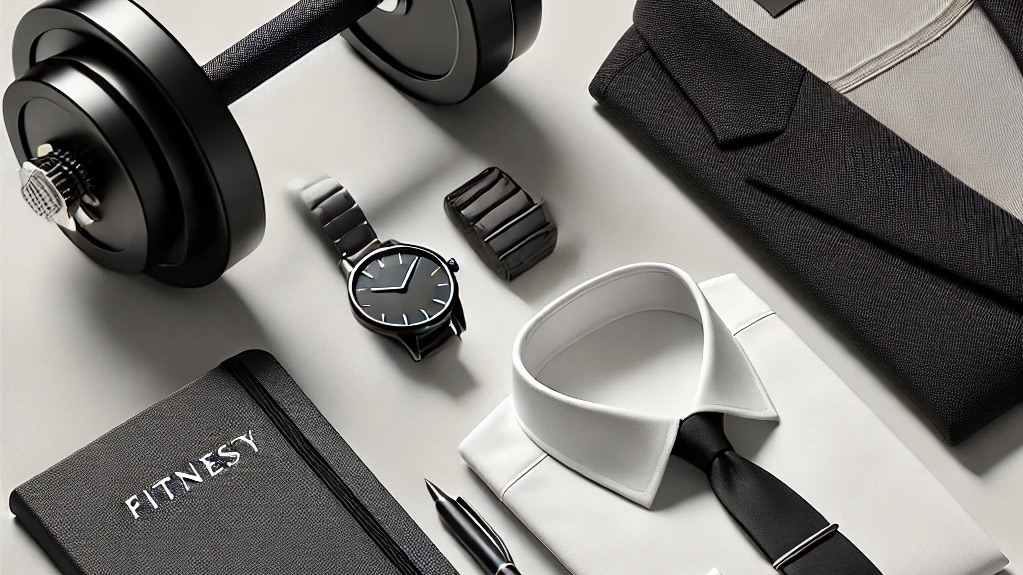
  • Less, but Better: How Minimalism Elevates Fitness, Productivity, and Personal Style

    Less, but Better: How Minimalism Elevates Fitness, Productivity, and Personal Style

    “Perfection is achieved not when there is nothing more to add, but when there is nothing left to take away.”

    Antoine de Saint-Exupéry

    In a world that constantly pushes us to do more, own more, and chase more, it’s easy to lose sight of what truly matters. The pursuit of perfection is often mistaken for accumulation—whether in fitness, work, or personal style. But the truth is, excellence comes not from excess, but from refinement. It’s about stripping away the unnecessary and focusing on what delivers the greatest impact.

    Minimalism isn’t just about decluttering your home; it’s a philosophy that can transform your body, sharpen your mind, and elevate your presence. By focusing on essentials and eliminating distractions, you can create a sustainable, efficient, and fulfilling approach to fitness, productivity, and personal style.

    Minimalism in Fitness: Mastering the Fundamentals

    When it comes to fitness, many people fall into the trap of overcomplication. They chase the latest workout trends, jump between routines, and fill their programs with unnecessary exercises. But the reality is, the most effective fitness plans are built on a few fundamental principles: strength training, progressive overload, and consistency.

    Strength Over Complexity

    The most powerful movements—squats, deadlifts, presses, and pull-ups—have stood the test of time for a reason. These compound exercises work multiple muscle groups simultaneously, providing the most efficient path to strength and muscle development. Instead of chasing novelty, focus on refining these foundational movements.

    Progressive Overload: The Simple Key to Growth

    You don’t need an elaborate workout plan to build muscle and strength. What you need is progressive overload—the principle of gradually increasing the weight, reps, or intensity over time. A minimalist approach to training means prioritizing quality over quantity: fewer exercises, done well, with a clear plan for improvement.

    Consistency Trumps Perfection

    The best workout plan is the one you stick to. Instead of constantly changing programs in search of the “perfect” one, commit to a simple, repeatable routine that fits your lifestyle. Three to four strength training sessions per week, paired with some cardiovascular work, will always outperform a chaotic mix of trendy fitness routines.

    Minimalism in fitness isn’t about doing less for the sake of it—it’s about focusing on what truly drives progress. Remove the distractions, master the fundamentals, and you’ll see real results.

    Minimalism in Productivity: Working Smarter, Not Harder

    The modern workplace glorifies busyness, but being busy is not the same as being productive. True productivity isn’t about cramming more tasks into your day; it’s about removing distractions, streamlining your workflow, and focusing on high-impact activities.

    Eliminate the Nonessential

    One of the most powerful productivity hacks isn’t adding more tools, but subtracting unnecessary tasks. Take a critical look at your to-do list—what truly moves the needle? Identify the tasks that provide the highest value and eliminate or delegate the rest.

    Single-Tasking: The Key to Deep Work

    Multitasking is a myth. Studies show that jumping between tasks reduces efficiency and increases mental fatigue. Instead of spreading your attention thin, embrace single-tasking. Allocate dedicated time blocks for deep work, minimize interruptions, and fully engage with one task at a time.

    Streamline Decision-Makings

    Decision fatigue is real—the more choices you make in a day, the less mental energy you have for important work. Reduce trivial decisions by implementing routines: plan your meals, set fixed work hours, and simplify your wardrobe. By removing decision overload, you free up mental space for what truly matters.

    Quality Over Quantity

    It’s tempting to measure productivity by the number of tasks completed, but impact is far more important than volume. Would you rather check off ten minor tasks or complete one game-changing project? Minimalism in productivity means prioritizing high-value work, setting clear goals, and cutting out distractions.

    By embracing a minimalist approach, you can work with greater focus, clarity, and effectiveness. Productivity isn’t about doing more—it’s about doing the right things with intention.

    Minimalism in Personal Style: The Power of a Curated Wardrobe

    A well-dressed man doesn’t have an overflowing closet—he has a carefully curated wardrobe filled with timeless, versatile pieces. The essence of great personal style isn’t having more clothes; it’s making intentional choices that reflect confidence, sophistication, and effortlessness.

    Fewer, Higher-Quality Pieces

    Fast fashion promotes excess, encouraging men to buy more than they need. But true style comes from investing in fewer, well-made garments that stand the test of time. A well-fitted navy blazer, quality leather shoes, and a crisp white shirt will always outshine a closet full of disposable trends.

    Versatility is Key

    Minimalist wardrobes are built on pieces that work together seamlessly. Neutral colors, classic cuts, and high-quality fabrics ensure that every item serves multiple purposes. Instead of buying clothes for every occasion, invest in versatile staples that can be dressed up or down effortlessly.

    Simplify Your Choices

    Steve Jobs famously wore the same outfit every day to reduce decision fatigue. While you don’t need to go that far, simplifying your wardrobe makes daily dressing easier and more intentional. A well-structured capsule wardrobe eliminates the stress of decision-making while ensuring you always look polished.

    Confidence Over Excess

    Great style isn’t about wearing more—it’s about wearing the right things with confidence. The most stylish men aren’t the ones who follow every trend; they’re the ones who know what works for them and wear it well.

    Minimalism in style isn’t restrictive—it’s liberating. By removing the excess, you create a wardrobe that’s effortless, refined, and always appropriate.

    Conclusion: Less, but Better

    The principle of removing the unnecessary to reveal the essential applies to every aspect of life. In fitness, it means focusing on strength, consistency, and progression. In productivity, it means eliminating distractions and prioritizing high-impact work. In personal style, it means curating a wardrobe of timeless essentials rather than chasing trends.

    More is not always better—better is better. By simplifying, refining, and focusing on what truly matters, you free yourself from the clutter and noise that hold you back. Embrace minimalism, and you’ll not only achieve more but do so with greater clarity, purpose, and ease.

  • Timeless vs. Trendy: What Men Can Learn from Decades of Style Evolution

    Timeless vs. Trendy: What Men Can Learn from Decades of Style Evolution

    Introduction

    Men’s fashion is a curious blend of the fleeting and the eternal. Every decade introduces fresh trends, from wide lapels to slim fits, yet some styles seem impervious to time. What makes certain pieces timeless while others fade into obscurity? Understanding the evolution of men’s style is not just an academic exercise; it’s a guide for mastering a wardrobe that feels as relevant today as it will decades from now.

    This article explores the relationship between fleeting fashion trends and timeless style principles, offering insights into how modern men can dress with confidence and enduring sophistication.

    A Brief History of Men’s Fashion

    The evolution of men’s fashion mirrors broader cultural and societal changes. In the Victorian era, formality and structure dominated wardrobes. Moving into the 20th century, the corporate suit became a symbol of power, while casual wear emerged in post-war America, reflecting a shift toward comfort and practicality. By the late 20th and early 21st centuries, streetwear and athleisure took center stage, driven by youth culture and a rejection of traditional norms.

    Despite these shifts, certain elements—like the well-tailored suit or a crisp white shirt—have remained staples. Their enduring appeal lies in their versatility, simplicity, and ability to adapt to changing contexts.

    The Anatomy of Timeless Style

    What defines timeless style? It’s about more than just specific items; it’s a philosophy rooted in three key principles:

    • Fit: Regardless of trends, a well-fitted garment enhances any physique and conveys polish.
    • Fabric: Quality materials age gracefully, making them worthwhile investments.
    • Functionality: Timeless pieces serve a purpose, whether it’s the utility of a leather jacket or the elegance of a tailored blazer.

    Classic wardrobe essentials like dark denim, leather dress shoes, and tailored suits stand the test of time because they balance these elements. They’re versatile enough to adapt to various occasions yet refined enough to transcend fleeting fads.

    Trends: The Double-Edged Sword

    Trends can be a source of inspiration, but they also pose a challenge. On one hand, trends introduce innovative designs and fresh perspectives. For instance, the resurgence of vintage cuts in trousers has modernized traditional tailoring. On the other hand, over-committing to trends can result in a wardrobe that feels dated within a few years.

    Consider the bomber jacket: once a utilitarian piece for pilots, it has been reinterpreted by countless designers. Its transformation from a trend to a wardrobe staple illustrates how certain items can achieve timeless status through adaptation and refinement.

    Creating Timeless Looks in a Trend-Driven World

    Navigating a trend-heavy fashion landscape requires discernment. Here’s how to strike a balance:

    • Anchor Your Wardrobe with Classics: Invest in staples like a navy blazer, oxford shirts, and neutral trousers.
    • Add Trends Sparingly: Incorporate one or two trendy pieces to refresh your look without overwhelming it.
    • Prioritize Quality Over Quantity: A well-made item may cost more upfront but will outlast cheaper alternatives.
    • Tailor to Your Personality: Use timeless pieces as a foundation but let your individuality shine through details like accessories or color choices.
    Sprezzatura in Timeless Style

    The Italian concept of “sprezzatura” encapsulates effortless elegance. It’s the art of looking polished without appearing overly calculated. Sprezzatura thrives on timeless principles—a perfect fit, harmonious proportions, and subtle details—yet it allows room for personal flair. Whether it’s leaving a shirt collar slightly unbuttoned or pairing sneakers with a tailored suit, sprezzatura demonstrates how timeless style can feel modern and approachable.

    Conclusion

    The interplay between trends and timelessness is what keeps men’s fashion dynamic yet enduring. By understanding the evolution of style and grounding your wardrobe in timeless principles, you can navigate changing trends with confidence and ease.

    Remember, true style isn’t about chasing every new fad; it’s about curating a wardrobe that reflects who you are while standing the test of time. Trends may come and go, but timeless style is forever. Which will you choose?

  • The Role of Outerwear in Timeless Men’s Fashion: Coats and Jackets

    The Role of Outerwear in Timeless Men’s Fashion: Coats and Jackets

    Introduction

    Outerwear isn’t just about staying warm—it’s a cornerstone of timeless men’s fashion. Coats and jackets not only serve a functional purpose but also act as powerful style statements, creating first impressions that last. In the corporate world, where professionalism meets personal expression, choosing the right outerwear is crucial. This article explores the role of outerwear in building a smart capsule wardrobe, blending style, function, and versatility.

    1. Why Outerwear is Essential in Men’s Fashion

    Outerwear is often the first thing people notice about your outfit. It can set the tone for how you’re perceived, especially in professional settings. Here’s why it matters:

    • Functionality: Beyond style, coats and jackets protect against the elements, ensuring comfort regardless of the season.
    • First Impressions: A well-chosen overcoat or blazer can exude confidence, sophistication, and attention to detail.
    • Balancing Practicality and Elegance: Outerwear seamlessly combines utility with aesthetics, making it an indispensable part of a corporate capsule wardrobe.
    2. Timeless Styles in Men’s Outerwear

    Certain styles of outerwear have stood the test of time, becoming staples for the modern professional. Let’s explore these essentials:

    Overcoats

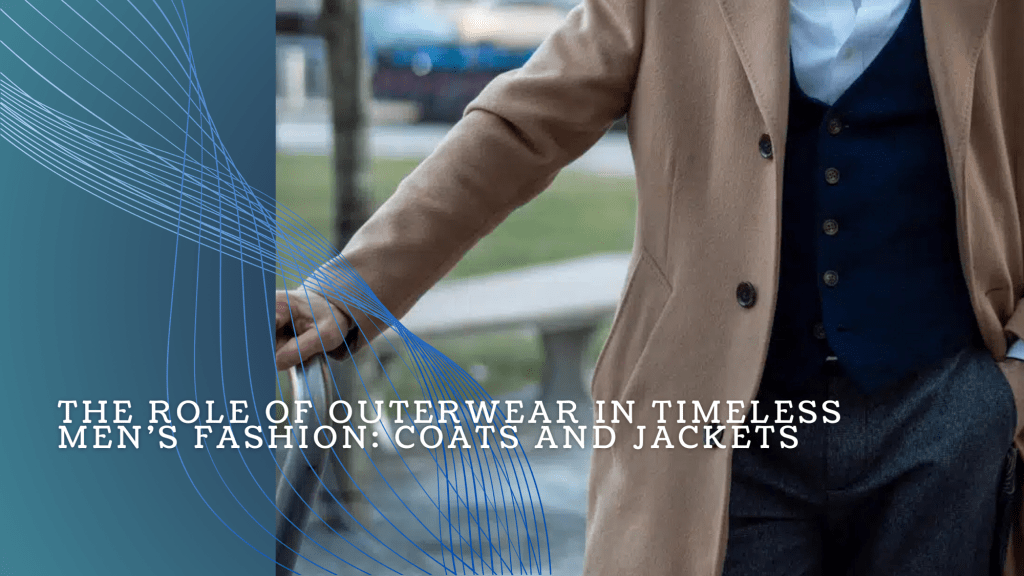
    A classic overcoat is a must-have for formal occasions. Its clean lines and tailored fit make it ideal for pairing with suits, ensuring you look polished even in the coldest weather. Choose neutral tones like navy, black, or camel for maximum versatility.

    Trench Coats

    Originally designed for military use, trench coats are both functional and stylish. Their water-resistant fabric and structured silhouette make them perfect for rainy days, whether you’re commuting to the office or attending a business meeting.

    Peacoats

    With their naval origins, peacoats bring a blend of tradition and modernity to your wardrobe. Their shorter length and double-breasted design work well with both casual and semi-formal outfits.

    Leather Jackets

    While often associated with rebellion, leather jackets have evolved into a refined wardrobe piece. A sleek, minimalist leather jacket can add a touch of edge to your corporate-casual looks.

    Blazers and Sport Coats

    Blazers and sport coats are versatile outerwear options that bridge the gap between casual and formal. They’re perfect for layering over dress shirts or knitwear, offering a sharp yet relaxed look.

    3. Choosing the Right Outerwear for Your Wardrobe

    Building a capsule wardrobe means investing in pieces that are versatile, durable, and timeless. When choosing outerwear for the corporate world, consider these factors:

    • Fit: Proper fit is non-negotiable. Tailored coats and jackets elevate your look, while ill-fitting ones can detract from it.
    • Fabric: Opt for high-quality materials like wool, cashmere, or leather for durability and comfort.
    • Function: Ensure the outerwear suits your lifestyle and environment. For example, a water-resistant trench coat is ideal for rainy climates.

    When starting your capsule wardrobe, focus on versatile pieces that can transition seamlessly between professional and casual settings. An overcoat in a neutral color, a classic trench, and a well-fitted blazer are excellent starting points.

    4. Styling Tips for Coats and Jackets

    The true power of outerwear lies in its ability to transform an outfit. Here’s how to style your coats and jackets for maximum impact:

    • Layering: Pair a trench coat with a tailored suit or layer a peacoat over a chunky sweater for a smart-casual look.
    • Outfit Pairing: Match an overcoat with formal attire for business meetings or a leather jacket with chinos and a turtleneck for Friday’s office casual.
    • Color Coordination: Stick to neutral tones like gray, navy, and beige for versatility, but don’t shy away from bold colors if they align with your personal style.
    5. Caring for Your Outerwear

    Quality outerwear is an investment, and proper care ensures it lasts for years. Follow these tips to maintain your pieces:

    • Cleaning: Follow the care instructions for each material. Wool coats often require dry cleaning, while leather jackets need conditioning.
    • Storage: Store your coats on sturdy hangers and protect them from moths with garment bags or cedar blocks.
    • Repairs: Address small issues like loose buttons or minor tears promptly to avoid further damage.
    6. Conclusion

    Outerwear plays a pivotal role in timeless men’s fashion, especially in the corporate world where style and substance go hand in hand. By investing in high-quality, versatile coats and jackets, you can build a smart capsule wardrobe that effortlessly blends professionalism with personal expression. Remember, your outerwear isn’t just an accessory—it’s a statement of who you are. Choose wisely, care for your pieces, and enjoy the confidence that comes with dressing well every day.

  • Timeless Style Icons: Lessons from the Best-Dressed Men in History

    Timeless Style Icons: Lessons from the Best-Dressed Men in History

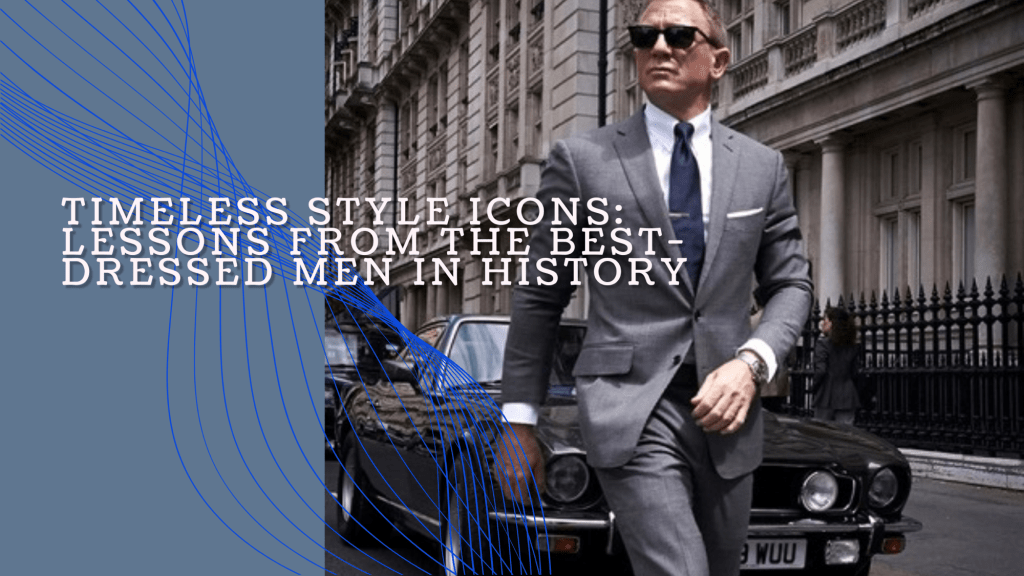
    When it comes to men’s fashion, certain figures stand out for their impeccable taste and enduring style. These men have transcended trends, becoming symbols of classic elegance that remains relevant today. In this article, we’ll explore ten style icons whose sartorial choices have left an indelible mark on the world of fashion. By examining their unique approaches to style, you can learn valuable lessons to help curate a minimalist, timeless capsule wardrobe.

    1. Cary Grant: The Epitome of Elegance

    Cary Grant is often hailed as the quintessential gentleman of Hollywood’s Golden Age. Known for his sharp suits, crisp white shirts, and perfectly knotted ties, Grant mastered the art of understated elegance. His style was about fit and simplicity, often favoring neutral colors like navy, grey, and black.

    Style Lesson: Invest in well-tailored suits and timeless accessories like pocket squares and classic leather shoes. Prioritize quality over quantity and choose pieces that can transition effortlessly from day to night.

    2. Steve McQueen: The King of Cool

    Steve McQueen’s style was a seamless blend of rugged masculinity and effortless cool. Whether in a simple white t-shirt and jeans or a tailored three-piece suit, McQueen exuded confidence. His love for practical, functional clothing—like his iconic Barbour jacket or Persol sunglasses—has influenced casual menswear for decades.

    Style Lesson: Embrace the essentials. A well-fitted pair of jeans, a quality leather jacket, and a versatile pair of sunglasses can elevate your casual wardrobe. Opt for pieces that are both stylish and functional.

    3. Alain Delon: The French Heartthrob

    Alain Delon, with his striking looks and effortless style, became a symbol of French chic in the 1960s. Known for his slim-cut suits, turtlenecks, and trench coats, Delon’s style was all about sleek, refined silhouettes. His outfits were minimalistic but carried a strong impact due to their perfect fit and subtle details.

    Style Lesson: Focus on slim, tailored cuts and neutral tones. A well-fitted trench coat or a sleek turtleneck can add a touch of sophistication to your wardrobe. Remember, less is often more.

    4. David Beckham: Modern Style Icon

    David Beckham has evolved from a football superstar into a global fashion icon. His style is a mix of classic British tailoring and modern trends, often seen in sharp suits, fitted shirts, and perfectly groomed hairstyles. Beckham’s ability to effortlessly transition between formal and casual wear makes him a versatile style icon.

    Style Lesson: Mix modern with classic. Don’t be afraid to blend contemporary pieces with traditional menswear staples. Pay attention to grooming, as it’s a crucial part of Beckham’s polished look.

    5. James Dean: The Rebel with a Cause

    James Dean became an icon of youthful rebellion in the 1950s, with his signature style defined by leather jackets, white t-shirts, and denim. His look was casual but carried an edge, representing a break from the more formal styles of previous generations.

    Style Lesson: Embrace casual classics like the white t-shirt and leather jacket. These pieces are timeless and can be dressed up or down depending on the occasion. Don’t be afraid to inject a bit of personality into your look.

    6. 6. Daniel Craig: The Modern Bond

    Daniel Craig redefined James Bond with a grittier, more realistic portrayal, and his wardrobe followed suit. Known for his tailored suits, Craig’s style as Bond is sleek, modern, and slightly rugged. Off-screen, his personal style echoes this blend of sophistication and edge, with a fondness for well-fitted leather jackets, sharp suits, and simple, classic pieces.

    Style Lesson: Tailoring is everything. Whether it’s a tuxedo or a casual outfit, make sure your clothes fit impeccably. Incorporate classic, versatile pieces like a navy suit, leather jacket, and white dress shirt into your wardrobe for a look that is both timeless and contemporary.

    7. Gianni Agnelli: The Italian Industrialist

    Gianni Agnelli, the head of Fiat, was a master of sprezzatura—the art of looking effortlessly stylish. Known for his unique twists on classic menswear, such as wearing his watch over his shirt cuff or leaving his tie slightly askew, Agnelli’s style was all about personal flair within a classic framework.

    Style Lesson: Add a personal touch to your classic pieces. Whether it’s the way you wear your watch or how you tie your scarf, small quirks can make your style uniquely yours while maintaining a timeless foundation.

    8. Fred Astaire: The Dance of Elegance

    Fred Astaire was not only a legendary dancer but also a sartorial powerhouse. His style was a blend of old-school elegance and comfort, often seen in his tailored suits, top hats, and two-tone shoes. Even in casual wear, Astaire exuded an air of refinement, making him an enduring style icon.

    Style Lesson: Embrace classic elegance. A well-tailored suit, attention to detail, and the right accessories (like a pocket square or a quality hat) can elevate any look. Confidence in your clothing is key to pulling off any style.

    9. Tom Ford: The Modern Maestro

    Tom Ford, known for revitalizing the Gucci brand, is a modern icon of tailored elegance. His personal style is characterized by sharp suits, crisp white shirts, and a preference for monochromatic looks. Ford’s attention to detail and commitment to fit make his style timeless yet distinctly modern.

    Style Lesson: Precision in tailoring is everything. Whether it’s a suit or a simple shirt, make sure your clothes fit perfectly. A minimalist color palette can help create a cohesive, sophisticated look.

    10. Ralph Lauren: The American Classic

    Ralph Lauren has built an empire on the idea of the American dream, with his personal style reflecting a mix of preppy and rugged aesthetics. From polo shirts to tweed jackets, Lauren’s look is a celebration of classic American style with a touch of luxury.

    Style Lesson: Embrace the classics with a twist. Incorporate preppy elements like polo shirts, blazers, and knitwear into your wardrobe, but don’t be afraid to mix them with more rugged pieces like denim or leather for a balanced look.

    Building Your Timeless Wardrobe

    By taking inspiration from these style icons, you can build a wardrobe that is not only timeless but also versatile. Focus on key pieces that are well-made, fit perfectly, and can be mixed and matched to suit any occasion. Remember, style is not just about what you wear but how you wear it—confidence and attention to detail are essential. Embrace the lessons from these icons, and your style will never go out of fashion.