Tag: timemanagement

  • Efficiency Begins Where Overthinking Ends 🚀

    Efficiency Begins Where Overthinking Ends 🚀

    Every minute spent second-guessing is a minute not spent doing.

    Overthinking feels productive — all those mental scenarios, pros-and-cons lists, and “just one more bit of research” moments. But in reality, it’s a thief of time, energy, and momentum.

    Here’s the truth: Efficiency doesn’t come from thinking more. It comes from thinking just enough to take the next step.

    The Problem: How Overthinking Kills Efficiency 🛑

    Overthinking isn’t deep thinking. It’s mental looping:

    🤯 Decision paralysis – The more you think, the harder it becomes to choose.

    🕰 Loss of momentum – Time passes, but progress doesn’t.

    😩 Mental fatigue – You’re tired before you’ve even begun.

    📉 Missed opportunities – While you’re stuck deciding, someone else is already doing.

    Picture this: the report you keep revising “just in case” or the fitness plan you research for weeks but never start. Sound familiar?

    Why Action Beats Endless Analysis ⚡

    Clarity often comes from doing, not from thinking more. The first draft, the first meeting, the first rep in the gym — they teach you more than any hypothetical ever could.

    The world’s best leaders, athletes, and entrepreneurs share a secret: decisive action, followed by fast adjustments, beats perfect planning every time.

    5 Practical Strategies to Stop Overthinking Today 🛠

    1️⃣ Set Decision Boundaries

    Give yourself a limit: “I’ll decide within 24 hours” or “After gathering 3 key facts, I move forward.”

    2️⃣ Apply the 80/20 Rule

    Identify the 20% of actions that bring 80% of results — and start there.

    3️⃣ Limit Your Options

    Fewer choices = faster decisions. Don’t compare 12 solutions; compare 2.

    4️⃣ Trust Small Experiments

    Run quick, low-risk tests instead of betting everything on one big move.

    5️⃣ Establish a “Do First” Habit

    Take one step forward immediately, then refine later. Progress > perfection.

    Mindset Shifts for Long-Term Change 🧠

    Progress over perfection – Perfect is an illusion. Mistakes = Feedback – Each misstep sharpens your approach. No decision is still a decision – And usually, it’s the worst one.

    The Bottom Line ✅

    True efficiency starts the moment you stop spinning in your head and start moving your feet.

    Think less. Do more. Let momentum carry you further than perfection ever could.

    💡 Try this today: Pick one decision you’ve been overthinking, set a 10-minute timer, and act before it runs out. You’ll be amazed how liberating it feels.

  • Simplicity reveals what truly matters.

    Simplicity reveals what truly matters.

    In today’s fast-paced project environments, complexity has become the default. We pile on tools, processes, reports, and meetings — hoping to gain control, but often ending up with noise.

    The result?

    Slower progress, unclear priorities, and teams spread thin trying to do everything at once.

    But here’s the truth: complexity is often the enemy of execution.

    In project management and productivity, simplicity isn’t just aesthetic — it’s a strategic advantage. It clears the path for meaningful outcomes and helps teams focus on what actually moves the needle.

    Here’s how to make it real:

    🔹 1. Clarify before you plan.

    Before drafting a timeline or task list, distill the “why” behind the project. If the objective can’t be stated in one sentence, it’s not yet clear enough. Clarity saves you from scope creep later.

    🔹 2. Use fewer tools, better.

    Too many apps create silos and friction. Choose one project management platform — and build a shared, standardized workflow. A good tool used consistently beats a dozen half-integrated ones.

    🔹 3. Replace zombie meetings with async updates.

    Audit recurring meetings monthly. If there’s no new decision to make or problem to solve, it doesn’t need to be a meeting. Tools like dashboards, shared docs, or Loom updates can deliver the same value in half the time.

    🔹 4. Prioritize visually.

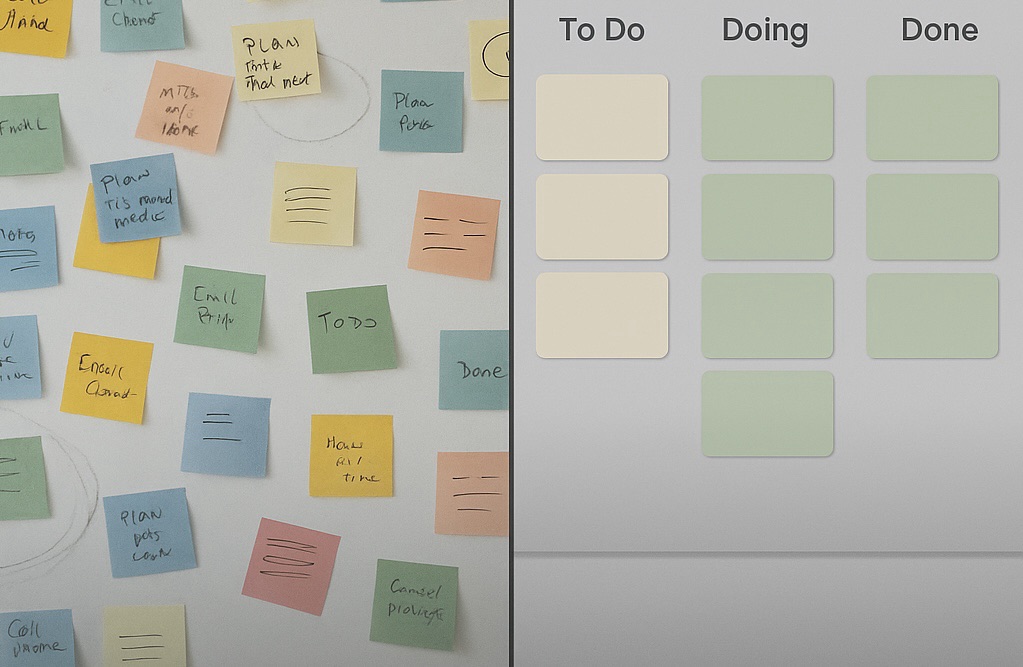
    A Kanban board, a visual timeline, or even a simple progress bar communicates faster than a 10-slide deck. Simplicity isn’t dumbing down — it’s speeding up understanding.

    🔹 5. Focus on one high-impact outcome at a time.

    Multitasking scatters attention. Sequence your team’s work around clear milestones, and make sure everyone knows the current priority. Simplicity helps people feel progress — and progress drives engagement.

    Why this matters:

    Simplicity improves decision-making.

    It reduces stress.

    It accelerates delivery.

    When you eliminate the unnecessary, you uncover what truly drives value — and give your team room to breathe, focus, and thrive.

    In leadership, simplicity is contagious. A streamlined process or a clear, concise brief sets the tone for execution with purpose.

    If your project workflow feels heavy, pause and ask:

    “What can I remove that no longer serves the goal?”

    Sometimes progress means doing less, but doing it better.

    Simplicity reveals what truly matters.

    🔄 Your turn:

    What’s one process, tool, or meeting you’ve simplified recently — and what impact did it have?

    👇 Share below and let’s build smarter, leaner projects together.

  • Ditch the Chaos: Run Lean, Productive Meetings with Minimalist Principles

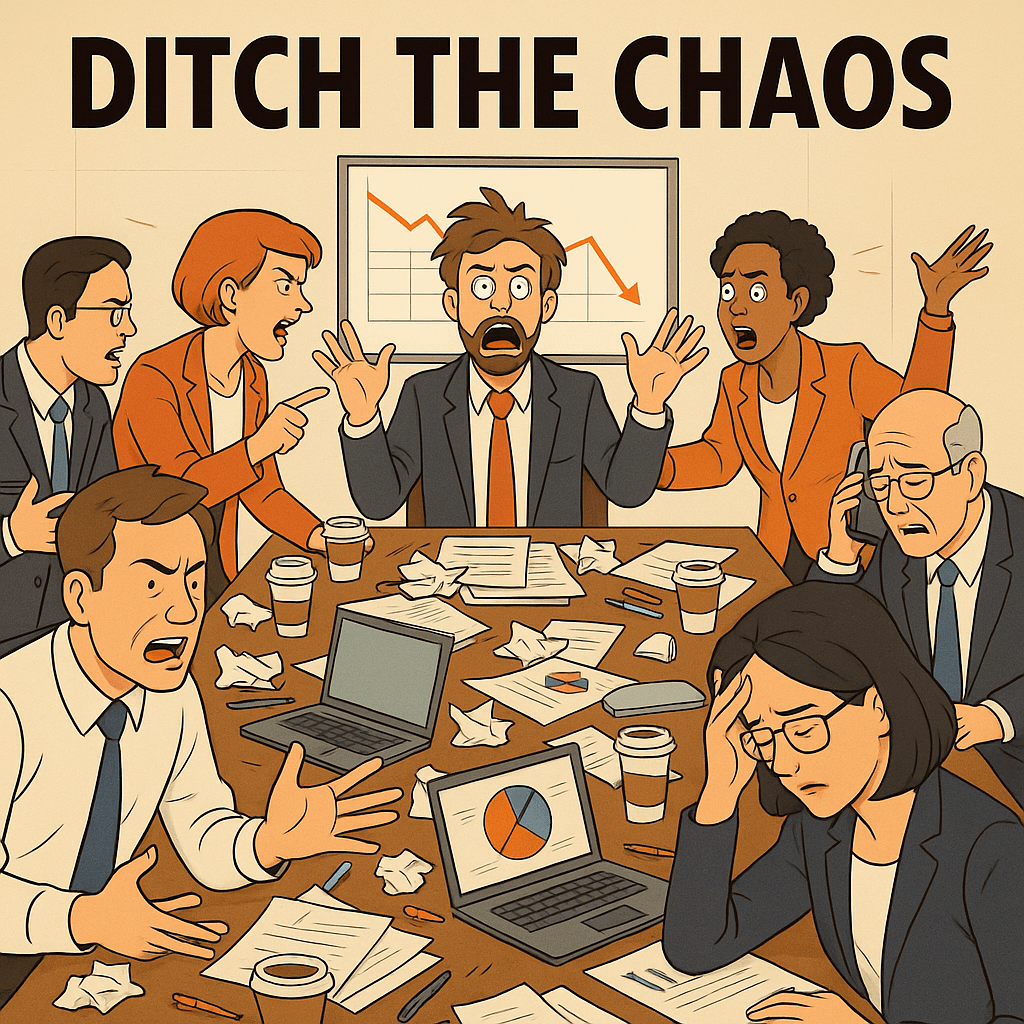
    Ditch the Chaos: Run Lean, Productive Meetings with Minimalist Principles

    In the modern workplace, meetings have become synonymous with wasted time, vague outcomes, and bloated invite lists. But it doesn’t have to be this way. If we apply minimalist thinking to how we meet, we can transform meetings from chaotic time sinks into focused tools for progress.

    Minimalism is about cutting what’s unnecessary to make space for what truly matters. This principle—so effective in decluttering homes and calendars—can just as powerfully streamline our meetings.

    1. Only Meet When Necessary

    🧭 Minimalist Principle: Eliminate the unnecessary.

    Ask yourself:

    “Could this be solved with a clear message or short update?”

    If yes, cancel the meeting. Meet only when real-time discussion or decisions are essential.

    2. One Purpose. One Agenda.

    🎯 Minimalist Principle: Focus on what matters most.

    Define the meeting’s goal in one sentence. Keep the agenda tight—fewer items mean deeper focus. Side conversations? Park them for later.

    3. Fewer People = More Progress

    👥 Minimalist Principle: Less is more.

    Invite only the key decision-makers and stakeholders. Smaller groups lead to sharper discussions and quicker outcomes.

    4. Respect Time Like a Resource

    ⏱️ Minimalist Principle: Value time and space.

    Set a time limit—15 or 30 minutes works for most meetings.

    Start on time. End on time. Stay on track.

    Time-box topics to prevent drift and maximize focus.

    5. Use Simple, Streamlined Tools

    🛠️ Minimalist Principle: Use what works, remove what doesn’t.

    Ditch long slideshows and clunky tools.

    Use a shared doc or whiteboard. Tools like Notion or Google Docs keep collaboration visible and flexible—without the fluff.

    6. Always End with Action

    ✅ Minimalist Principle: Clear is better than more.

    Close each meeting with clarity:

    What decisions were made? Who’s doing what? What’s the deadline?

    Document and share this. Make follow-up automatic, not an afterthought.

    7. Reflect. Simplify. Repeat.

    🔄 Minimalist Principle: Continual simplification.

    Audit your recurring meetings:

    Which ones are actually productive? Which ones just feel necessary?

    Cancel or redesign anything that doesn’t serve a clear, current purpose.

    🧘‍♂️ The Minimalist Meeting Mantra:

    “Meet less. Talk less. Decide more.”

    By stripping meetings down to their essentials, we unlock what matters: focus, clarity, and execution. It’s not about doing more—it’s about doing what matters, better.

  • The One-Minute Rule: A Micro-Habit That Clears Mental and Physical Clutter

    The One-Minute Rule: A Micro-Habit That Clears Mental and Physical Clutter

    Simplify your life one small action at a time—how a single rule can reshape your productivity, mindset, and environment.

    😫 Drowning in Tiny Tasks?

    Ever feel like you’re buried under a mountain of micro-responsibilities?

    📩 Emails piling up…

    🍽 Dishes in the sink…

    💬 Unread Slack messages…

    🧥 A coat draped over the chair since Tuesday…

    They seem too small to matter—yet they drain your energy and linger in the back of your mind. The One-Minute Rule might be the simplest solution you’ve never consistently used.

    ✅ What Is the One-Minute Rule?

    👉 If a task takes one minute or less, do it immediately.

    It’s that simple.

    Here are a few everyday examples:

    📧 Replying to a quick email

    🧥 Hanging up your jacket

    ☕ Washing your coffee cup

    📂 Filing one paper

    💻 Closing unused browser tabs

    🧠 Low mental effort. High payoff.

    🧬 Why It Works (The Psychology Behind It)

    The brilliance of the One-Minute Rule lies in behavioral science:

    🔋 Removes decision fatigue

    🧾 Breaks the “task debt” cycle

    🚀 Triggers momentum—action begets action

    🧘 Clears mental clutter and boosts control

    According to the Zeigarnik effect, our brains fixate on unfinished tasks. These “open loops” drain focus and increase stress.

    Closing these loops—one minute at a time—quietly reclaims energy.

    🛠 How to Use It Without Obsessing

    🎯 The goal isn’t perfection. It’s progress through simplicity.

    Here’s how to make it stick:

    🧠 Don’t overthink it—if you notice it, do it ⏰ Set 3 daily reminders (morning, midday, evening) 🧊 Use it as a warm-up before deep work 👨‍👩‍👧‍👦 Teach it to your team or kids as a culture hack

    Small actions compound—just like mess does. Why not let clarity be what multiplies?

    🌱 The Essentialist Angle: Small Habits, Big Results

    Minimalism isn’t about doing less—it’s about removing what doesn’t matter so you can focus on what does.

    🧭 One minute at a time, you reduce friction.

    💼 You free your mind to lead.

    🏡 You clear space to be present.

    💪 You reserve energy for your fitness, focus, and family.

    This rule isn’t just about getting things done—it’s about becoming the kind of person who gets things done effortlessly.

    🔄 Your Turn

    What’s one one-minute task you’ve been putting off today?

    🔁 Try the One-Minute Rule for 3 days.

    📓 Track how it shifts your mood, your focus, and your space.

    Then drop me a comment, DM, or reply—I’d love to hear what changed for you.

  • How to Maintain Work-Life Balance as a Project Manager: Strategies for Setting Boundaries and Avoiding Burnout

    How to Maintain Work-Life Balance as a Project Manager: Strategies for Setting Boundaries and Avoiding Burnout

    As a project manager, you likely wear many hats: overseeing tasks, managing teams, meeting deadlines, and keeping stakeholders happy. It’s a role that often demands attention 24/7, leaving little room for personal time or rest. You may have found yourself checking emails late at night, taking client calls during family dinners, or getting caught up in tasks even on weekends.

    The pressure is real. But, as a project manager, maintaining a healthy work-life balance is essential, not only for your personal well-being but for your professional success too. In this article, we’ll explore strategies to set boundaries, stay productive, and avoid burnout, all while maintaining the balance that is so crucial to long-term success.


    1. The Challenges of Project Management and Work-Life Balance

    Project management is inherently demanding. With tight deadlines, constant communication, and shifting priorities, it’s easy for work to spill into personal time. Whether you’re leading large teams, managing complex deliverables, or juggling multiple clients, the challenges seem never-ending.

    However, this pressure often comes at a cost: burnout. Project managers are especially prone to stress due to the responsibility of overseeing projects from start to finish. This role, while rewarding, can leave you feeling overwhelmed and drained if boundaries aren’t set.

    The early signs of burnout can be subtle—fatigue, irritability, and a decline in productivity. Over time, these signs build up, and the impact can spill over into your personal life. So, how can you regain control and maintain balance? Let’s dive into some strategies.


    2. Strategy #1: Define and Communicate Clear Boundaries

    The first step in maintaining balance is knowing when to switch off. As a project manager, it’s tempting to be always “on,” checking emails at all hours, or responding to requests immediately. However, this lack of boundaries only increases stress.

    Work Hours: Establish clear working hours. It’s essential to set specific times when you’re available and stick to them. Once your workday ends, unplug. Not only will this help reduce stress, but it will also allow you to recharge, ensuring you’re ready for the next day.

    Tech Boundaries: In today’s digital age, it’s easy for work to intrude on personal time. Set limits on when and how you’ll check emails, messages, or project management platforms after work hours. Consider turning off email notifications outside your defined work hours.

    Communicate Effectively: Let your team and clients know your boundaries. Being proactive in communicating when you’re available shows that you respect your time and theirs. This might mean saying, “I’ll get back to you tomorrow” or “I’m offline after 6 p.m.” It’s about setting expectations upfront.

    By defining and communicating clear boundaries, you create a structured environment where work doesn’t intrude on your personal time, and you protect your well-being.


    3. Strategy #2: Prioritize Tasks and Delegate

    You don’t have to do everything yourself. In fact, trying to manage everything on your own will only lead to exhaustion and burnout.

    The Power of Delegation: Delegating tasks is a crucial skill for any project manager. Recognize that you can’t (and shouldn’t) handle every task. Trust your team and assign tasks based on their strengths. This not only helps lighten your load but also empowers your team, fostering a more collaborative environment.

    Use Project Management Tools: Tools like Asana, Trello, and Jira can help you prioritize tasks effectively. These platforms allow you to manage your time better by organizing tasks, setting deadlines, and tracking progress. You can easily identify urgent tasks versus long-term goals and tackle them systematically.

    SMART Goals: When setting goals, use the SMART framework—Specific, Measurable, Achievable, Relevant, and Time-bound. This ensures that you are focused on what truly matters and helps you avoid taking on too many projects at once. Setting realistic goals will also make it easier to delegate tasks and avoid overwhelming yourself.

    By prioritizing and delegating, you free up time to focus on high-level tasks that require your expertise and leadership, while still keeping everything on track.


    4. Strategy #3: Learn to Say “No” (and How to Do It Gracefully)

    One of the hardest things to do as a project manager is to say no. Whether it’s a client request, an urgent task, or additional responsibilities, the temptation to take it all on can be overwhelming. However, saying yes to everything leads to burnout and undermines your ability to prioritize.

    Tactical “No”: Saying no doesn’t mean you’re refusing to be helpful—it means you’re being realistic about what you can manage. Saying no can also be framed positively, like, “I’m unable to take on that task right now, but let’s discuss how we can prioritize it for the future.”

    Managing Client Expectations: Clients may occasionally push for unrealistic timelines or additional features. Don’t be afraid to push back. Politely but firmly explain that you need to respect your team’s capacity to deliver high-quality work without compromising timelines. Having a clear rationale for saying no will help clients understand your reasoning.

    Sample Script: “I’d love to help with this request, but my current workload means I won’t be able to give it the attention it deserves. Let’s find a way to address it in the coming days.”

    Learning to say no helps you protect your time and energy, ensuring that you’re not stretched too thin.


    5. Strategy #4: Embrace Flexibility with Remote Work and Time Management

    While project management often involves being on-site or in meetings, embracing flexibility can lead to a better work-life integration.

    Hybrid Work Benefits: If your company allows it, explore the benefits of hybrid work or remote days. A day at home can help reduce commute time, provide a quieter environment for focused work, and allow for a better work-life balance overall.

    Time Blocks & Focus: Time-blocking is a highly effective time management method. Set aside blocks of uninterrupted time to work on specific tasks. For instance, dedicate one hour in the morning for deep work on project plans and another in the afternoon for team meetings or emails.

    Tools for Focus: Use focus tools like the Pomodoro Technique or task timers to stay on track. These tools can help you concentrate on one task at a time, reducing distractions and increasing productivity.

    Flexibility in your work setup and time management allows you to balance both professional and personal commitments with ease.


    6. Strategy #5: Invest in Self-Care and Wellness

    Physical and mental health should always be a priority. If you’re constantly running on empty, it’s impossible to lead effectively or maintain balance in your life.

    Physical Health: Make time for regular exercise, sleep, and nutrition. A healthy body leads to a clearer mind and more energy. Even short 15-minute workouts or stretching during breaks can help alleviate physical tension, especially if you’re dealing with the aches and pains of desk work.

    Mental Health: Mental well-being is just as important. Practices like mindfulness, meditation, or simply taking a break to breathe can reduce stress and increase focus.

    Quick Wins: Even on the busiest days, find small ways to practice self-care. Take a five-minute walk outside, hydrate regularly, or listen to a calming podcast during your commute. These moments help recharge your energy and improve your focus throughout the day.

    By investing in yourself, you increase your capacity to perform at your best while keeping burnout at bay.


    7. Strategy #6: Build a Support System

    You don’t have to navigate the challenges of project management alone. Having a strong support system, both at work and in your personal life, makes all the difference.

    Work Support: Build a network of mentors, colleagues, and friends within your company. Having someone to share your experiences with or seek advice from can provide both emotional support and practical solutions.

    Personal Support: Your family and friends play a crucial role in helping you disconnect from work. Make time to connect with loved ones, share experiences, and unwind together.

    Networking and Peer Groups: Join project management groups or online communities. Networking with peers who understand the unique challenges you face can offer valuable insights and coping strategies.

    A strong support system makes it easier to navigate the ups and downs of project management while maintaining a healthy work-life balance.


    Conclusion

    Maintaining a work-life balance as a project manager is no small feat, but it’s essential for both your personal well-being and professional success. By defining boundaries, prioritizing tasks, saying no when necessary, embracing flexibility, investing in self-care, and building a strong support system, you can avoid burnout and lead with clarity and energy.

    Now that you’ve learned these strategies, what’s one step you can take today to start setting boundaries or preventing burnout in your own life? Let’s hear your best work-life balance tips or challenges in the comments below!