Tag: timemanagement

  • Unlock Your Potential: 10 Proven Techniques to Boost Daily Productivity

    Unlock Your Potential: 10 Proven Techniques to Boost Daily Productivity

    Meet Jill, a dedicated knowledge worker juggling multiple projects, deadlines, and the endless stream of emails that flood her inbox each day. Despite her hard work, she often feels overwhelmed, struggling to prioritize tasks and manage her time effectively. One morning, after a particularly chaotic week, Jill stumbled upon a productivity workshop that changed her perspective. Inspired, she learned and implemented ten proven techniques to boost her daily productivity, transforming her workflow and reclaiming her time.

    This article explores those techniques, offering actionable strategies to help you enhance your productivity throughout the day.

    Technique 1: Prioritize Your Tasks

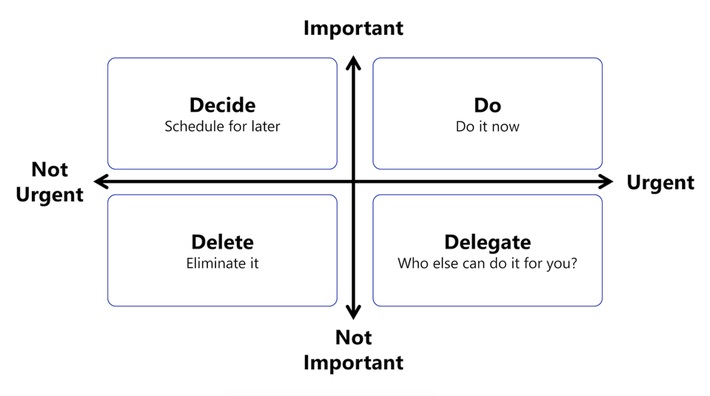
    Concept: Understanding the difference between urgent and important tasks is key. The Eisenhower Matrix is a popular tool that helps categorize tasks into four quadrants: urgent and important, important but not urgent, urgent but not important, and neither urgent nor important.

    Applicability: This technique is applicable to both personal and professional tasks.

    Actionable Steps:

    • List all your tasks.
    • Classify them into the four quadrants of the Eisenhower Matrix.
    • Focus on completing tasks in the “urgent and important” quadrant first.
    Technique 2: Time Blocking

    Technique 2: Time Blocking

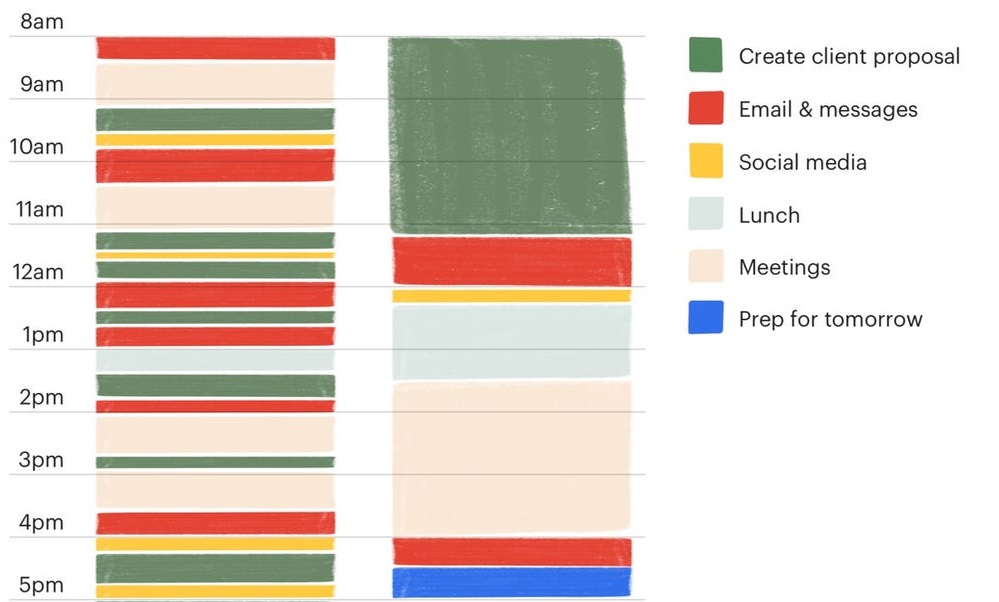
    Concept: Time blocking involves scheduling specific blocks of time for different tasks, helping you maintain focus and structure throughout the day.

    Applicability: This technique works well for anyone who manages multiple tasks and projects.

    Actionable Steps:

    • Divide your day into blocks of time (e.g., 30-minute or 1-hour segments).
    • Assign specific tasks to each block.
    • Protect these time blocks by avoiding distractions.
    Technique 3: The Pomodoro Technique

    Concept: Developed by Francesco Cirillo, this technique uses a timer to break work into intervals (typically 25 minutes), separated by short breaks.

    Applicability: Ideal for tasks requiring deep concentration.

    Actionable Steps:

    • Set a timer for 25 minutes and work on a task.
    • Take a 5-minute break after the timer goes off.
    • After four cycles, take a longer break (15-30 minutes).
    Technique 4: Set Clear Goals

    Concept: Setting SMART goals helps clarify what you want to achieve and how to measure success.

    Applicability: Useful for both short-term and long-term planning.

    Actionable Steps:

    • Define a specific goal (e.g., “Complete the project proposal by Friday”).
    • Ensure your goal is measurable (e.g., “Write 1000 words”).
    • Set a timeline for completion.
    Technique 5: Minimize Distractions

    Concept: Reducing distractions enhances focus and productivity.

    Applicability: This applies universally in any work environment.

    Actionable Steps:

    • Identify common distractions (e.g., social media, noise).
    • Use apps to block distracting websites during work hours.
    • Create a designated workspace that minimizes interruptions.
    Technique 6: Utilize Productivity Tools

    Concept: Leveraging technology can streamline tasks and enhance organization.

    Applicability: Beneficial for individuals and teams alike.

    Actionable Steps:

    • Explore productivity tools like Todoist for task management, Trello for project tracking, or Notion for documentation.
    • Choose one tool and familiarize yourself with its features.
    • Integrate the tool into your daily workflow.
    Technique 7: Take Regular Breaks

    Concept: Breaks are essential for maintaining mental clarity and preventing burnout.

    Applicability: This applies to anyone looking to maintain high levels of focus.

    Actionable Steps:

    • Schedule breaks into your day (e.g., a 5-minute break every hour).
    • Use break time to stretch, take a walk, or hydrate.
    • Avoid screens during breaks to refresh your mind.
    Technique 8: Optimize Your Workspace

    Concept: A well-organized workspace can improve concentration and productivity.

    Applicability: This technique is beneficial for remote workers and office employees alike.

    Actionable Steps:

    • Declutter your workspace; keep only essential items within reach.
    • Adjust your chair and desk for ergonomic comfort.
    • Personalize your space with motivating elements (e.g., plants, inspiring quotes).
    Technique 9: Review and Reflect

    Concept: Regularly reviewing your work can reveal areas for improvement.

    Applicability: This is useful for ongoing projects and long-term goals.

    Actionable Steps:

    • Set aside time at the end of each day or week to review your accomplishments.
    • Reflect on what went well and what could be improved.
    • Adjust your strategies based on your reflections.
    Technique 10: Maintain a Healthy Work-Life Balance

    Concept: A balanced life enhances overall productivity and well-being.

    Applicability: Crucial for everyone, especially knowledge workers.

    Actionable Steps:

    • Set boundaries for work hours and personal time.
    • Schedule leisure activities and time with loved ones.
    • Practice self-care routines, such as exercise and mindfulness.
    Conclusion

    Jill’s transformation didn’t happen overnight, but by implementing these ten techniques, she learned to manage her time effectively and reduce stress. She now starts her days with a prioritized task list, uses time blocking to stay on track, and takes breaks to recharge. Jill’s story is a testament to the power of these actionable strategies.

    As you explore these techniques, remember that productivity is not just about getting more done; it’s about finding what works for you and creating a sustainable routine. Start with one or two techniques, and as you see progress, gradually incorporate more into your daily life. You, too, can unlock your potential and enhance your productivity!
  • Mastering Time Management: Proven Strategies for Project Managers to Get More Done in Less Time

    Mastering Time Management: Proven Strategies for Project Managers to Get More Done in Less Time

    Time management is one of the most critical skills for a project manager, where juggling multiple tasks, deadlines, and team responsibilities is the norm. This guide will explore key methods like time blocking, prioritization, and other actionable techniques that can help you streamline your workday and boost productivity without adding hours to your schedule.

    Key Concepts for Getting More Done with Less Time
    1. Time Blocking

    What It Is: Time blocking involves scheduling dedicated chunks of time for specific tasks or categories of work. Instead of multitasking, you focus intensely on one task during a set period.

    Pros:

    • Reduces context switching, leading to more focus.
    • Helps prevent burnout by scheduling breaks and work boundaries.
    • Gives a clear overview of how your day will unfold.

    Cons:

    • Requires discipline and sticking to the schedule.
    • Unexpected events may force you to rearrange blocks

    How to Implement: Use a digital calendar or a planner to block out chunks of time for key project activities—e.g., team meetings, deep work sessions, and communication with stakeholders.

    2. Prioritization (Eisenhower Matrix)

    What It Is: Prioritization frameworks like the Eisenhower Matrix allow you to categorize tasks into four quadrants based on urgency and importance:

    • Urgent and Important (Do first)
    • Important, Not Urgent (Schedule)
    • Urgent, Not Important (Delegate)
    • Not Urgent, Not Important (Eliminate)

    Pros:

    • Ensures you focus on high-impact tasks.
    • Helps you delegate less important tasks.
    • Encourages eliminating unnecessary work.

    Cons:

    • Takes time to categorize tasks correctly.
    • May overlook tasks that could evolve into high-priority issues.

    How to Implement: Review your to-do list daily and categorize each task based on urgency and importance. Focus on high-priority tasks early in the day.

    3. Pomodoro Technique

    What It Is: A time-management method where you work in 25-minute intervals (Pomodoros) with 5-minute breaks in between. After four sessions, take a longer break.

    Pros:

    • Encourages focused work while preventing burnout.
    • Forces regular short breaks to refresh your mind.
    • Can make overwhelming tasks seem more manageable.

    Cons:

    • Not ideal for tasks requiring deep, prolonged concentration.
    • Interruptions can break the flow, making it hard to resume the Pomodoro session.

    How to Implement: Use a timer to break work into Pomodoros. Adjust the work intervals if necessary (e.g., 25 minutes of work followed by a 5-minute break).

    4. The Two-Minute Rule

    What It Is: If a task takes less than two minutes, do it immediately. This method is part of the Getting Things Done (GTD) system and helps prevent small tasks from accumulating.

    Pros:

    • Quickly clears low-effort tasks off your list.
    • Keeps your task list leaner and more focused.

    Cons:

    • Overusing this method can distract from larger, more important tasks.
    • Not suitable for complex tasks or deep work sessions.

    How to Implement: Regularly review your task list and immediately handle any tasks that take less than two minutes. For larger tasks, schedule time to complete them.

    5. Batching Tasks

    What It Is: Batching involves grouping similar tasks (like replying to emails, updating project statuses, or doing administrative work) into one block of time, reducing task-switching fatigue.

    Pros:

    • Increases efficiency by handling repetitive tasks together.
    • Minimizes distractions from switching between different types of work.

    Cons:

    • Some tasks may not fit neatly into a batch.
    • Requires careful scheduling to avoid task pile-ups.

    How to Implement: Identify recurring tasks that can be batched and schedule them into specific time blocks (e.g., answering emails twice a day instead of checking constantly).

    Pros and Cons of These Methods:

    Pros:

    • Greater productivity and focus by minimizing multitasking.
    • More structured workdays with dedicated time for priority tasks.
    • Less mental fatigue by grouping similar tasks or using time-based intervals like Pomodoros.

    Cons:

    • These methods require discipline and consistency to maintain.
    • Unexpected events can disrupt carefully planned schedules.
    • Some methods, like time blocking or task batching, can feel restrictive if not implemented flexibly.
    Implementation Plan:

    Step 1: Choose Your Core Method
    Start by picking one method that resonates with your work style. For example, if you struggle with multitasking, begin with time blocking. If decision-making is the challenge, start with prioritization using the Eisenhower Matrix.

    Step 2: Set Up Your Tools
    Utilize digital calendars, task management apps, or even simple spreadsheets to organize your time and tasks. Tools like Asana, Trello, or Google Calendar can make time blocking, task batching, and prioritization easier to manage.

    Step 3: Begin Small, Then Scale
    Start by implementing your chosen technique for just one or two days a week. Once you get comfortable, scale it to more days and integrate additional methods like Pomodoros or task batching.

    Step 4: Review and Adjust
    At the end of each week, review your time management strategy. What worked? What didn’t? Adjust your approach to suit your work style, priorities, and project demands.

    Scaling Time Management for Maximum Efficiency

    Mastering time management takes practice, but the rewards are clear. By implementing a mix of strategies like time blocking, prioritization, and batching, you can significantly enhance your productivity while maintaining a healthy work-life balance. Start small, be consistent, and scale your approach as your comfort grows — soon, you’ll find that you’re getting more done in less time, with less stress.

  • The Science Behind Productivity: How to Optimize Your Work Hours

    The Science Behind Productivity: How to Optimize Your Work Hours

    In today’s fast-paced world, productivity has become a buzzword that everyone chases. But what does it really mean to be productive, and how can we optimize our work hours to achieve it? The answer lies not just in working harder but in working smarter, guided by scientific research. By understanding the science behind productivity, we can implement strategies that make even the hardest tasks seem effortless.

    Understanding Productivity: More Than Just Getting Things Done

    Productivity is often equated with the sheer volume of tasks completed. However, research shows that true productivity is about achieving meaningful results with less effort. It’s the art of doing more with less—less time, less stress, and less energy. This can be achieved by leveraging our natural rhythms, cognitive abilities, and psychological tools.

    The Role of Circadian Rhythms in Productivity

    One of the most powerful determinants of productivity is our circadian rhythm, the body’s natural 24-hour cycle. This internal clock regulates when we feel alert and when we’re likely to feel tired. Studies have shown that most people experience peaks in cognitive function during certain times of the day. For instance, early morning and late afternoon are often cited as high-productivity periods, known as the “two peaks” in the day.

    How to Optimize:

    • Identify Your Peak Hours: Pay attention to when you feel most alert and schedule your most demanding tasks during these periods.
    • Power Down When Necessary: Use the afternoon slump, typically between 1 pm and 3 pm, for less demanding tasks like responding to emails or organizing your workspace.
    The Science of Breaks: Why You Shouldn’t Power Through

    Contrary to the “power through” mentality, research indicates that taking regular breaks is crucial for maintaining high productivity levels. The brain’s ability to maintain focus wanes over time, and pushing through can lead to diminishing returns. Techniques like the Pomodoro Technique, which advocates for 25 minutes of focused work followed by a 5-minute break, align with the way our brain functions.

    How to Optimize:

    • Incorporate Micro-Breaks: Implement short, frequent breaks throughout your workday to reset your focus.
    • Step Outside: Physical movement and a change of environment, even briefly, can rejuvenate your mind.
    The Power of Deep Work

    Deep work, a term popularized by author Cal Newport, refers to focused, uninterrupted periods of work on cognitively demanding tasks. Scientific studies have shown that the brain can only maintain this level of focus for about 90-120 minutes at a time before needing a break. Engaging in deep work maximizes your cognitive resources, allowing you to accomplish more in less time.

    How to Optimize:

    • Block Out Distractions: Use tools and strategies to minimize interruptions. This can include turning off notifications, using noise-cancelling headphones, or setting clear boundaries with colleagues.
    • Schedule Deep Work Sessions: Dedicate specific times of the day to deep work, ideally during your peak cognitive hours.
    The Role of Sleep in Productivity

    It might seem counterintuitive, but rest is a critical component of productivity. Sleep is when the brain consolidates memories, processes information, and resets for the next day. Numerous studies have demonstrated that lack of sleep leads to decreased cognitive performance, poor decision-making, and lower productivity.

    How to Optimize:

    • Prioritize Sleep: Ensure you get 7-9 hours of quality sleep per night. This isn’t just about quantity but also about creating an environment conducive to restful sleep.
    • Maintain a Consistent Sleep Schedule: Going to bed and waking up at the same time each day helps regulate your circadian rhythm, improving your alertness and productivity.
    The Psychology of Motivation: Staying Driven

    Motivation is a key driver of productivity, and understanding its psychological underpinnings can help maintain it throughout the day. The Self-Determination Theory (SDT) posits that motivation is highest when tasks are aligned with our intrinsic goals, provide a sense of competence, and allow for autonomy.

    How to Optimize:

    • Set Clear, Intrinsic Goals: Align your tasks with your long-term goals and values to keep yourself motivated.
    • Break Tasks into Manageable Steps: Smaller, more manageable steps reduce overwhelm and build momentum.
    • Reward Yourself: Positive reinforcement, like small rewards, can boost motivation and make difficult tasks seem easier.
    Actionable Steps to Skyrocket Your Productivity
    1. Track Your Peak Hours: Start by tracking your energy levels throughout the day for a week. Use this data to identify your peak productivity periods and plan your most important tasks during these times.
    2. Adopt the Pomodoro Technique: Begin implementing short, timed work sessions followed by breaks. This not only keeps your mind fresh but also combats procrastination.
    3. Schedule Deep Work Sessions: Dedicate 90-minute blocks to deep work, free from distractions. This will help you tackle the most challenging tasks efficiently.
    4. Prioritize Sleep: Make sleep a non-negotiable part of your productivity strategy. Set a regular sleep schedule, create a relaxing bedtime routine, and optimize your sleeping environment.
    5. Align Tasks with Goals: Reframe your tasks to align with your intrinsic goals. If a task seems mundane, find a way to connect it to a larger, meaningful objective.
    6. Take Strategic Breaks: Incorporate micro-breaks throughout your day. Use them to move, hydrate, or simply step outside for a breath of fresh air.
    7. Practice Gratitude and Positive Reinforcement: Celebrate small wins and progress. This helps maintain motivation and keeps you focused on long-term goals.

    By understanding and applying the science of productivity, you can make even the hardest tasks seem effortless. It’s not about working more hours but optimizing the hours you work. Implementing these scientifically-backed strategies can transform your workday, boost your productivity, and ultimately help you achieve more with less effort.

  • Unlock Supreme Productivity: The Revolutionary Power of Timeboxing!

    Unlock Supreme Productivity: The Revolutionary Power of Timeboxing!

    In the fast-paced world we live in, finding an effective time management strategy can be the key to unlocking peak productivity. One such game-changing technique is timeboxing—a method that promises to eliminate the chaos of to-do lists, supercharge your efficiency, and reduce stress. But where did this technique come from, and how can it transform your daily life and projects? Let’s dive in!

    The Origins of Timeboxing: A Blast from the Past

    Timeboxing, though popularized in recent years, has roots that stretch back to the early days of computing. It was first conceptualized by James Martin in the 1980s. Martin, a British computer scientist, introduced timeboxing in his book “Rapid Application Development” as a way to manage project timelines effectively. The technique was initially designed to keep software projects on track by allocating fixed time periods for specific tasks, ensuring that work progressed steadily without succumbing to endless perfectionism.

    What Exactly is Timeboxing?

    At its core, timeboxing is a simple yet powerful concept: it involves allocating a fixed unit of time to a task and then completing the task within that time frame. Once the time is up, you stop working on that task, regardless of whether it’s finished. This creates a sense of urgency and focuses your efforts, helping you to avoid the pitfalls of over-analysis and procrastination.

    Implementing Timeboxing: A Practical Example

    Imagine you have a report to write that you estimate will take about two hours. Instead of writing “Finish report” on your to-do list, you schedule two one-hour timeboxes. During each timebox, you work exclusively on the report without distractions. If the report isn’t finished within these two hours, you can decide whether to allocate another timebox or move on to another task. This method not only keeps you on track but also provides a clear structure to your day.

    From To-Do Lists to Timeboxing: A Productivity Revolution

    Traditional to-do lists can often become overwhelming and stressful, especially when they grow long and unmanageable. Timeboxing transforms your approach by turning tasks into scheduled commitments. Instead of a daunting list of tasks, you have a structured schedule where every task has its place. This shift reduces the cognitive load of decision-making throughout the day and helps you maintain a steady workflow.

    The Magic of Timeboxing for Project Managers

    For project managers, integrating timeboxing into daily work and projects can be a game-changer. By assigning fixed time periods to specific project tasks, project managers can ensure that progress is made consistently. This approach helps in identifying potential bottlenecks early and adjusting plans proactively. It also fosters a sense of accomplishment as teams complete tasks within set time frames, boosting morale and productivity.

    Moreover, timeboxing can streamline meetings, a common time drain in projects. By allocating specific time slots for each agenda item, meetings become more focused and efficient, leading to better decision-making and time savings.

    Timeboxing with Digital Calendars

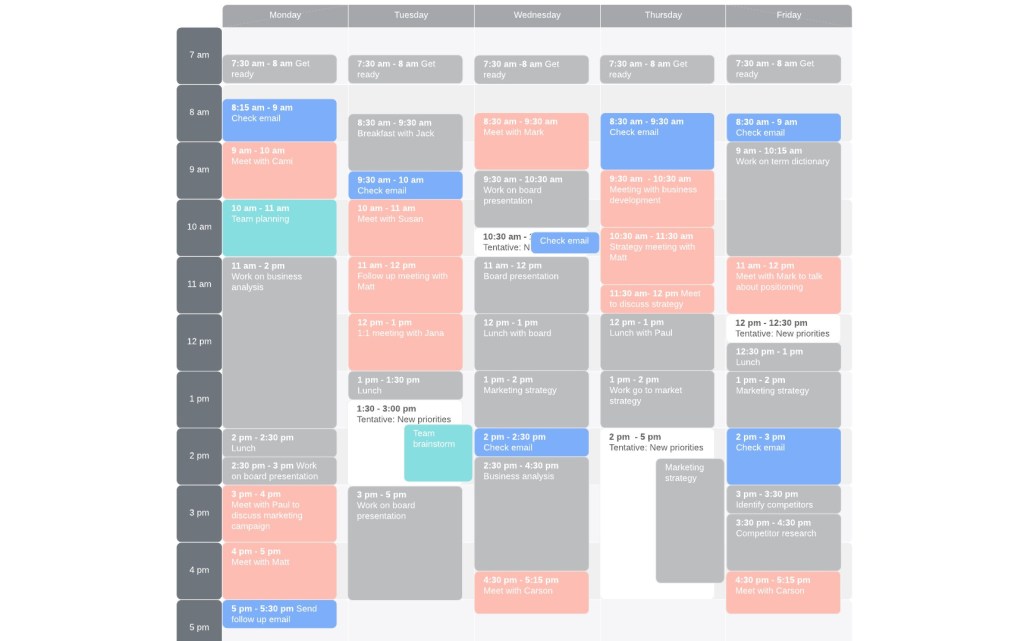
    Incorporating timeboxing into digital calendars like Outlook, iCal, or Google Calendar can make the process even more effective. To start, create calendar events for each task you need to accomplish, setting specific start and end times. This visual representation helps you see your entire day or week at a glance, making it easier to manage your time and ensure that no task is overlooked. For instance, if you have a busy week filled with meetings, you can block out dedicated timeboxes for deep work early in the morning or late in the afternoon when interruptions are less likely. This ensures that important, focus-intensive tasks get the attention they need without being constantly disrupted by meetings.

    Synergizing Timeboxing with GTD and the Pomodoro Technique

    Integrating timeboxing with the Getting Things Done (GTD) methodology and the Pomodoro Technique can further enhance productivity. GTD involves capturing tasks, clarifying what they entail, organizing them, reflecting on them regularly, and engaging in them appropriately. Timeboxing fits seamlessly into this framework by providing the “engage” component a structured time frame.

    The Pomodoro Technique, which involves working in 25-minute intervals followed by short breaks, is a natural fit with timeboxing. By dividing your timeboxes into Pomodoro intervals, you can maintain high levels of concentration and avoid burnout.

    Prioritizing Tasks with Timeboxing: The Pareto Principle

    When prioritizing tasks for timeboxing, the Pareto Principle—also known as the 80/20 rule—can be incredibly useful. This principle suggests that 80% of results come from 20% of efforts. Identify the tasks that will have the most significant impact and allocate timeboxes to these high-priority activities first. This ensures that you’re focusing on what truly matters and getting the most value from your efforts.

    Conclusion

    Timeboxing is more than just a productivity hack; it’s a paradigm shift in how we approach work. By turning tasks into scheduled commitments, timeboxing helps eliminate the stress of to-do lists, enhances focus, and boosts overall productivity. For project managers, it’s an invaluable tool for keeping projects on track and teams motivated. When combined with GTD and the Pomodoro Technique, timeboxing can transform your workflow, helping you achieve more in less time. So why wait? Start timeboxing today and unlock your true productivity potential!