Tag: Wellness

  • 💡 Kickstart Your Day, Trim the Fat: The 30/30/30 Rule Explained

    💡 Kickstart Your Day, Trim the Fat: The 30/30/30 Rule Explained

    In a world flooded with flashy diets and complex fitness programs, simplicity often gets overlooked. But if you’re a busy professional with limited time, simplicity isn’t just a preference—it’s a strategic advantage. 🎯

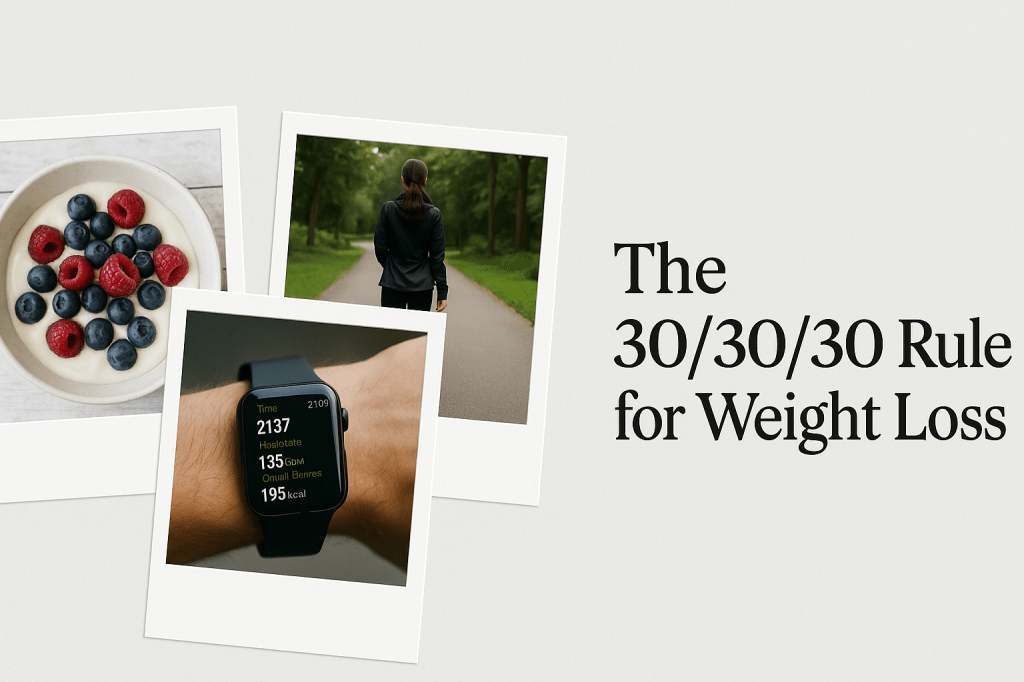
    That’s why the 30/30/30 Rule, popularized by health coach Gary Brecka, is creating a quiet revolution. It’s a minimalist morning routine that jumpstarts fat burning, balances energy levels, and helps you stay focused throughout your day—all without needing a personal trainer or meal prep marathon.

    🧩 What Is the 30/30/30 Rule?

    ✅ 30 grams of protein

    ✅ Within 30 minutes of waking

    ✅ Followed by 30 minutes of low-intensity movement

    That’s it. A routine that takes under an hour and delivers outsized returns when practiced consistently.

    🔥 Why It Works (Without the Hype)

    💥 Protein builds and protects lean muscle while keeping hunger at bay. It also increases thermogenesis, meaning your body burns more calories digesting it.

    💥 Eating early reduces cortisol spikes, stabilizes your mood, and lowers your chance of energy crashes later in the day.

    💥 Low-intensity cardio taps into fat stores without stressing your body. You’re burning fat, not glycogen—and you stay in control.

    This is not a gimmick. It’s foundational physiology, applied with intention.

    🛠️ A Minimalist’s Guide to 30/30/30

    🎯 Quick Protein Options:

    🥚 Scrambled eggs + olive oil

    🥣 Greek yogurt + seeds or fruit

    🧊 Protein shake with almond milk + oats

    🧀 Cottage cheese with berries or cinnamon

    🚶 Low-Intensity Movement Ideas:

    🌳 Morning walk outdoors

    📞 Take work calls while pacing

    🚲 Light indoor cycling

    🐾 Walk the dog (or with your kids!)

    No gym? No problem. No time? Still doable. This routine meets you where you are.

    💡 What You Can Expect

    ✔️ Reduced cravings throughout the day

    ✔️ More stable energy and mental clarity

    ✔️ A calmer, more focused start to your day

    ✔️ Improved insulin sensitivity over time

    ✔️ Easier fat loss—without extremes

    This isn’t just about physique. It’s about showing up as your best self—at work, at home, and in your own mind.

    🧭 Real-World Tips to Make It Stick

    📅 Schedule your walk like a meeting

    🥣 Prep protein-rich breakfasts the night before

    📲 Use a recurring morning reminder

    📉 Track your streaks—not just your weight

    The goal isn’t perfection. It’s consistency. One intentional morning at a time.

    🧘 Final Thought: Discipline = Freedom

    “Discipline doesn’t mean doing more—it means doing what matters, consistently.”

    The 30/30/30 rule aligns perfectly with minimalist principles: fewer moving parts, greater focus, and real, sustainable results.

    It’s not a hack. It’s a habit. And like all habits that matter, it’s worth repeating.

  • Why Less is More in Fitness: Avoiding Burnout with Minimalist Training

    Why Less is More in Fitness: Avoiding Burnout with Minimalist Training

    “It’s 6 AM. The alarm goes off. You’ve got emails waiting, breakfast to make, kids to wake up, and your workout? Still just an idea. Sound familiar?”

    If you’re juggling a demanding career, a partner, kids, maybe even aging parents, the idea of fitting in an elaborate workout routine feels more like fantasy than reality. Between back-to-back meetings and bedtime stories, who has the time—or the mental bandwidth—for 90-minute gym sessions and meticulous macro counting?

    The truth? You don’t need all of that to be fit, strong, and healthy. In fact, trying to do too much is often the very thing that derails us. That’s where minimalist training comes in—a practical, sustainable approach that prioritizes consistency over complexity and delivers real results without burnout.

    1. The Problem: Too Much Fitness Advice, Too Little Time

    Open Instagram or YouTube, and you’re hit with a firehose of fitness advice: 7-day workout splits, carb cycling, cold plunges, yoga, meditation, fasting windows. It’s overwhelming—and it’s paralyzing.

    When you already have a full plate, trying to keep up with this fitness circus becomes another stressor. You skip a workout, feel guilty, and spiral into the all-or-nothing trap. The result? Inconsistency, frustration, and eventually, burnout.

    2. Redefining Success: Consistency Over Complexity

    Here’s the hard truth: your fitness routine doesn’t need to look like a personal trainer’s. In fact, it shouldn’t. You’re not getting paid to work out. Your job is to be present, productive, and healthy for the long haul.

    That means success isn’t measured by six-pack abs or bench press PRs—it’s about how consistently you can move your body, build strength, and maintain energy, week after week, month after month.

    Less time. Less stress. More life.

    3. The Minimalist Fitness Mindset

    Minimalist training isn’t lazy training—it’s smart training. It’s about doing the essential things well and ignoring the fluff. It’s about showing up with purpose, not perfection.

    Think of it like this: your workout should energize your day, not drain it. It should simplify your life, not complicate it. When you remove decision fatigue and unrealistic expectations, you free up mental space for what truly matters.

    4. The Core Elements of Minimalist Training

    Let’s break it down to the fundamentals. Here’s all you really need:

    Strength Training (2–3x/week): Focus on compound lifts like squats, deadlifts, pushups, and rows. These give you the biggest bang for your buck. Cardio (daily movement): Walk the dog, bike with your kid, take the stairs. No need for hour-long runs unless you enjoy them. Mobility (5–10 min/day): A short routine to keep joints healthy and pain at bay. Foam rolling, stretching, or yoga flows work great.

    Everything else? Optional. If it fits into your week, great. If not, don’t sweat it.

    5. Sample Weekly Plan (For the Time-Starved Professional)

    Here’s a realistic plan that fits into even the busiest schedules:

    Monday:

    30-minute full-body strength workout (Squats, Pushups, Rows) 15-minute walk after lunch

    Wednesday:

    30-minute strength (Deadlifts, Overhead Press, Core) 5-minute mobility flow

    Friday:

    30-minute bodyweight circuit at home Evening walk with the family

    Saturday/Sunday (Optional):

    Active hobby (hike, swim, bike) Stretch and recover

    This gives you flexibility to miss a day without guilt—and still make progress.

    6. Nutrition Without the Drama

    Minimalist fitness includes minimalist eating. Forget 8-meal meal-prep Sundays or tracking every gram of protein.

    Here’s the simple approach:

    Eat mostly whole foods. Prioritize protein at every meal. Limit sugar and highly processed snacks. Repeat your meals. Uniform eating = less decision fatigue.

    Keep a few go-to meals you can make in 10–15 minutes. Think omelets, Greek yogurt bowls, grilled chicken with frozen veggies. Not gourmet—but effective.

    7. Signs You’re Doing Enough (Even If It Feels Like Less)

    One of the biggest mental hurdles in minimalist training is feeling like you’re not doing enough. But here’s how to know your routine is working:

    You sleep better and wake up with more energy. Your clothes fit better. You’re gradually lifting heavier or moving more fluidly. Your posture and confidence improve. You no longer dread workouts—you actually look forward to them.

    Minimalist training won’t leave you gasping on the floor, but it will leave you feeling stronger and more capable every day.

    8. Burnout is the Real Enemy — Not Lack of Time

    Fitness isn’t about going hard—it’s about going long. Burnout kills more fitness goals than laziness ever could.

    If your workout routine demands more than you can consistently give, it’s a bad routine. The “all-or-nothing” mindset is the enemy of progress. It’s far better to train less and recover more—so you can keep showing up.

    Remember: done consistently, even 20-minute sessions build incredible results over time.

    9. Mastering Fitness with a Family Man’s Mentality

    The busy professional doesn’t need a six-pack to feel strong. He needs energy to play with his kids after work. He needs mobility to carry groceries without pain. He needs endurance to lead at work and still be present at home.

    Minimalist training respects your time. It aligns with your values. And it helps you build a foundation that supports—not competes with—your life.

    Final Thoughts

    Less is more—especially when you’re managing a full life outside the gym. Minimalist training isn’t just efficient. It’s liberating. It allows you to stay fit, strong, and healthy without sacrificing your family, career, or sanity.

    Show up. Do what matters. Then get back to what you’re really training for: life.

    Bonus for Readers:

    Download your free Minimalist Fitness Checklist for Busy Professionals and start simplifying your fitness today.

  • Creating a Minimalist Morning Routine for Families

    Creating a Minimalist Morning Routine for Families

    Introduction

    Mornings in a family household can often feel like a chaotic race against the clock — misplaced shoes, last-minute lunch packing, and someone always forgetting something important. But what if mornings could feel calm, predictable, and even enjoyable? A minimalist morning routine isn’t about doing less for the sake of it — it’s about removing unnecessary stressors so that your family can start the day with focus and ease. With a few strategic changes, you can transform the morning madness into a seamless routine that makes the hard things in life look effortless.

    By embracing simplicity, prioritization, and consistency, you create a morning routine that not only reduces stress but also fosters a sense of control and harmony within your household. The key to achieving this is to establish systems that work efficiently while allowing room for flexibility. This guide will provide you with practical steps to help streamline your mornings and start the day with intention.


    1. The Core Principles of a Minimalist Morning Routine

    A successful morning routine doesn’t start in the morning — it begins with a mindset shift. By focusing on these key principles, you can create a system that works consistently for your family.

    • Prioritization: Identify what really matters in the morning. Do you need an elaborate breakfast, or will a simple, nutritious option do? Focus only on the essentials.
    • Consistency: Routines thrive on repetition. By keeping the same order of events each morning, you reduce decision fatigue and create predictability for your family.
    • Preparation: The less you leave to chance in the morning, the smoother everything runs. Prepping clothes, meals, and bags the night before eliminates morning friction.
    • Flexibility: Even the best-laid plans will sometimes go awry. A minimalist morning routine allows for small disruptions without throwing off the entire day.

    One of the most overlooked aspects of a minimalist morning routine is the importance of decluttering your physical and mental space. By removing unnecessary distractions and streamlining decision-making processes, you free up time and energy for what truly matters.


    2. Streamlining Mornings for Parents

    Parents set the tone for the household, and if your morning feels rushed and frantic, the rest of the family will pick up on that energy. Here’s how to simplify:

    • Capsule Wardrobe for Effortless Dressing: A closet filled with versatile, well-fitting basics means no time wasted on outfit indecision. Have go-to combinations that work for any occasion.
    • Quick and Nutritious Breakfast Solutions: Stick to easy, protein-packed options like overnight oats, smoothies, or eggs and toast. Avoid decision overload by rotating a few simple meal choices.
    • Time-Blocking to Minimize Stress: Set designated times for each task (e.g., 10 minutes for getting dressed, 15 minutes for breakfast) to create a structured yet flexible morning flow.
    • Tech-Free Mornings: Avoid checking emails or social media first thing in the morning. Instead, focus on setting a positive tone for the day with mindfulness, light stretching, or journaling.

    By keeping things simple and intentional, you reduce stress and set yourself up for a more productive day.


    3. Simplifying Mornings for Kids

    Children thrive on routine, and the more they can handle independently, the smoother mornings will be.

    • Independent Dressing with Pre-Selected Outfits: Encourage kids to choose their outfits the night before, or simplify further with a weekly outfit organizer.
    • Simplified Breakfast Choices: Give them two to three consistent options to minimize morning negotiations.
    • Making Routines Engaging and Fun: Use checklists, timers, or even a morning playlist to keep kids on track without constant reminders.
    • Encouraging Self-Sufficiency: Teach kids to pack their own school bags, brush their teeth on time, and take responsibility for their morning tasks.

    By instilling responsibility early, children become more self-reliant, leading to smoother mornings for the entire family.


    4. Household Systems That Make Mornings Flow Smoothly

    A well-organized home reduces morning friction. Set up systems that eliminate unnecessary searching and scrambling.

    • Organized Entryways and Designated Drop Zones: Have a space for keys, backpacks, and shoes so nothing gets misplaced.
    • A Family Command Center for Schedules and Reminders: A central calendar or whiteboard can display daily to-dos, appointments, and important reminders.
    • Teaching Responsibility Through Shared Morning Tasks: Assign age-appropriate responsibilities, such as setting the table or packing lunch, so everyone contributes.
    • Decluttering for Efficiency: Ensure that common areas like the kitchen and bathroom are tidy and functional. Eliminating excess clutter helps reduce stress and keeps the morning running smoothly.

    A few small adjustments can lead to major improvements in how efficiently your family operates each morning.


    5. Dealing with the Unexpected Without Losing Your Cool

    Even with the best system, mornings don’t always go as planned. Here’s how to stay on track:

    • Buffer Time: Build in an extra 5–10 minutes so small delays don’t derail the whole morning.
    • Mindset Shifts: Accept that some mornings won’t be perfect. Staying calm sets a positive example for kids.
    • Quick Recovery Strategies: If something goes wrong, focus on problem-solving instead of stressing. Have a backup outfit, easy-to-grab snacks, and a game plan for delays.
    • Emphasizing the Bigger Picture: Remind yourself that a rough morning doesn’t define the entire day. Practicing gratitude and maintaining perspective can help keep stress levels in check.

    The more prepared you are for the unexpected, the more resilient your family will become in handling morning hiccups.


    Conclusion

    A minimalist morning routine isn’t about stripping everything away—it’s about keeping only what truly serves your family. By reducing decision fatigue, fostering independence, and setting up systems that support efficiency, mornings become a smooth transition into the day rather than a daily battle.

    The long-term benefits of a minimalist morning routine extend far beyond just saving time. It cultivates a sense of calm, reduces household stress, and sets the foundation for a more intentional lifestyle. Start with small adjustments, and over time, you’ll see how simplifying your mornings can have a positive ripple effect on the rest of your day.

    Are you ready to transform your family’s mornings? Start by implementing just one of these strategies this week and build from there!

  • Simple Strategies for Healthy Eating on a Tight Schedule

    Simple Strategies for Healthy Eating on a Tight Schedule

    As a busy professional, it’s easy to let healthy eating fall by the wayside. With packed schedules, demanding deadlines, and the temptation of convenience foods, prioritizing balanced meals often feels like an impossible task. But what if I told you that eating healthy doesn’t have to be complicated or time-consuming? With a little planning and the right strategies, you can enjoy nutritious, delicious meals that support your energy, productivity, and overall well-being — even on the busiest of days.

    This guide will show you how to make healthy eating effortless by mastering efficient meal planning and preparation.

    Why Meal Planning is a Game-Changer

    Meal planning isn’t just for fitness enthusiasts or food bloggers—it’s a practical tool for anyone juggling a tight schedule. Here’s why it matters:

    • Save Time: Instead of scrambling to figure out meals each day, you’ll have a clear plan, freeing up valuable time.
    • Stay Nutritious: Planning ensures your meals are balanced, helping you meet your health goals.
    • Avoid Unhealthy Decisions: When hunger strikes, having prepared meals reduces the temptation of fast food or snacks.

    The best part? Meal planning doesn’t have to be overwhelming. By focusing on simplicity and preparation, you can reap the benefits without the stress.

    Step 1: Efficient Meal Planning Made Simple
    1. Assess Your Week

    Start by evaluating your upcoming week. Are there days when meetings or travel will make cooking difficult? Highlight these days and plan for grab-and-go meals or quick options.

    2. Simplify Your Menu

    Choose 2-3 versatile recipes for the week. For example:

    • Base Recipe 1: Grilled chicken or tofu that pairs with salads, wraps, or stir-fries.
    • Base Recipe 2: A hearty soup or stew that can double as lunch or dinner.
    • Base Recipe 3: A grain bowl mix with quinoa, roasted vegetables, and a protein.

    This strategy reduces decision fatigue while keeping your meals varied.

    3. Create a Focused Shopping List

    Stick to a list based on your chosen recipes. Include essentials like proteins, vegetables, grains, and snacks. This not only saves time but also helps avoid impulse purchases.

    Step 2: Meal Prep Hacks for Busy Professionals
    1. Master Batch Cooking

    Prepare larger portions of staples like grilled chicken, roasted vegetables, and cooked quinoa. Store them in separate containers to create mix-and-match meals throughout the week.

    2. Invest in the Right Tools

    Efficiency starts with the right equipment. Consider:

    • A slow cooker for hands-off cooking.
    • An instant pot for quick meals.
    • Quality containers to keep meals fresh and organized.
    3. Focus on Grab-and-Go Options

    Busy mornings? Prep these in advance:

    • Hard-boiled eggs with a side of fruit.
    • Overnight oats with nuts and berries.
    • Pre-packed snack boxes with cut veggies, hummus, and whole-grain crackers.
    4. Embrace Freezer Meals

    Double your recipes and freeze portions for future use. Options like chili, casseroles, or vegetable soups reheat beautifully and save time on hectic days.

    Step 3: Build Balanced Meals Without Overthinking

    A balanced plate doesn’t have to be complicated. Use this formula:

    • Half vegetables: Add color and nutrients with spinach, broccoli, or roasted peppers.
    • A quarter protein: Opt for lean meats, tofu, beans, or fish.
    • A quarter whole grains: Think quinoa, brown rice, or whole-grain bread.

    Enhance flavor with quick sauces or seasonings, such as olive oil, lemon juice, or a sprinkle of your favorite spices.

    Mix-and-Match Ideas
    • Quinoa bowl with roasted chicken, kale, and tahini dressing.
    • Whole-grain wrap with turkey, avocado, and sliced bell peppers.
    • Spinach salad with lentils, feta, and balsamic vinaigrette.
    Overcoming Common Obstacles
    • “I Don’t Have Time”: Dedicate just one or two hours on the weekend to meal prep. Even preparing a few staples like grains and proteins will make a big difference.
    • “I Get Bored of the Same Food”: Keep it exciting by changing up spices, sauces, or sides. A base recipe can transform with curry powder one day and soy sauce the next.
    • “Healthy Eating is Expensive”: Focus on affordable staples like beans, oats, eggs, and seasonal produce. Buy in bulk when possible to save more.
    Final Thoughts: Start Small, Stay Consistent

    Healthy eating on a tight schedule is about progress, not perfection. Start with small steps: prep a couple of meals, try one new recipe, or set aside just 30 minutes to plan your week. Over time, these small efforts compound into a sustainable routine that feels effortless.

    Take the first step today—plan one balanced meal for your week. You’ll be surprised at how much better you feel, both physically and mentally, when healthy eating becomes second nature.

    Healthy eating isn’t just a goal; it’s a habit that empowers you to perform at your best. Make it work for you.

  • The Power of Cold Showers, Cold Plunges, and Sauna for Health, Longevity, and Strength

    The Power of Cold Showers, Cold Plunges, and Sauna for Health, Longevity, and Strength

    In the pursuit of a healthier, longer life, many focus on diet, exercise, and sleep. However, two often-overlooked practices—cold exposure and sauna use—can be powerful allies in this journey. These methods, rooted in ancient traditions and supported by modern science, offer significant benefits for physical strength, mental clarity, and overall well-being. This essay will explore the science behind cold exposure and sauna use, their integration into a busy life, and their synergistic effects when combined with strength training and a nutrient-rich diet.

    Cold Showers and Cold Plunges: A Refreshing Path to Health and Longevity
    Scientific Concepts and Health Benefits

    Cold exposure, through showers or plunges, triggers several beneficial physiological responses. When exposed to cold, the body activates the sympathetic nervous system, releasing norepinephrine, which boosts mood, energy, and focus. Cold exposure also promotes the production of brown adipose tissue (BAT), which helps burn calories and regulate body temperature. This process can support weight management and enhance metabolic health.

    Furthermore, regular cold exposure strengthens the immune system by increasing the production of cytokines—proteins involved in inflammation and immunity. Studies have shown that cold showers can reduce the incidence of common illnesses and improve resilience against stress. Additionally, cold exposure has cardiovascular benefits, including enhanced circulation and reduced blood pressure.

    Optimal Practices and Integration into a Busy Life

    For a busy middle-aged professional, integrating cold exposure can be straightforward. Start by incorporating cold showers at the end of a warm shower. Begin with 30 seconds of cold water and gradually increase to 2-3 minutes as your tolerance builds. For those with access to a cold plunge, aim for 2-5 minutes at a temperature between 50-59°F (10-15°C).

    Incorporating this into a hectic schedule can be as simple as starting your day with a cold shower or taking a plunge after a workout. These brief sessions provide an invigorating boost, helping you stay energized and focused throughout the day. Aim for at least three sessions per week to maximize the benefits.

    Sauna: Harnessing Heat for Strength and Longevity
    Scientific Concepts and Health Benefits

    Sauna use offers a range of benefits that complement those of cold exposure. Regular sauna sessions induce hyperthermia, which has been shown to improve cardiovascular health, enhance detoxification, and reduce inflammation. The heat stress from saunas stimulates the production of heat shock proteins (HSPs), which help repair damaged proteins and protect against oxidative stress.

    Sauna use also significantly impacts mental health. The deep relaxation induced by heat can reduce stress, anxiety, and promote better sleep. Furthermore, research has linked regular sauna use to a reduced risk of cardiovascular disease, neurodegenerative diseases like Alzheimer’s, and overall mortality, suggesting it can contribute to a longer, healthier life.

    Optimal Practices and Integration into a Busy Life

    For those with limited time, sauna sessions can be an impactful addition to the weekly routine. Aim for 15-30 minutes per session at a temperature of 150-175°F (65-80°C), with 2-4 sessions per week being ideal. Listen to your body, starting with shorter sessions and gradually increasing the duration and frequency as you acclimate.

    To integrate sauna use into a busy schedule, consider evening sessions to unwind after a long day. If your gym offers a sauna, it’s convenient to combine a workout with a sauna session, maximizing your time and enhancing the benefits of both activities.

    Synergistic Effects with Strength Training and a Balanced Diet
    Enhanced Recovery and Performance

    When combined with a strength training regimen, cold exposure and sauna use can significantly enhance recovery and performance. After intense workouts, cold exposure can reduce muscle soreness, decrease inflammation, and promote faster recovery by constricting blood vessels and flushing out metabolic waste. This allows you to train more consistently and with greater intensity over time.

    On the other hand, sauna use promotes muscle relaxation and increases blood flow, delivering oxygen and nutrients essential for muscle repair. This not only aids in recovery but also in building lean muscle mass. Additionally, the relaxation and detoxification effects of the sauna can reduce cortisol levels, mitigating the negative impact of chronic stress on muscle growth and overall health.

    Mental Health and Hormonal Balance

    Cold exposure builds mental resilience by enhancing your body’s ability to adapt to stress, improving focus and mental clarity—qualities that are invaluable both in training and daily life. Regular cold exposure can also boost levels of dopamine, a neurotransmitter associated with motivation and reward, which can positively influence your workout intensity and consistency.

    Sauna use supports mental well-being by promoting relaxation, reducing anxiety, and improving sleep quality—all critical factors for optimal hormonal balance. Better sleep translates to improved muscle recovery, enhanced mood, and better decision-making, particularly regarding dietary choices.

    Nutritional Synergy

    A nutrient-rich diet is the cornerstone of any health and fitness program. When combined with cold exposure and sauna use, the benefits of a balanced diet are amplified. For instance, the improved circulation from sauna use enhances the delivery of nutrients to muscles, while the increased metabolic rate from cold exposure can aid in maintaining a healthy weight. A diet rich in antioxidants, vitamins, and minerals will further support the body’s recovery processes, reducing inflammation and oxidative stress—especially when combined with the hormetic stress from cold and heat exposure.

    A Way Forward: Implementing Cold Exposure and Sauna into a Busy Schedule

    For those new to these practices, the key is to start small and gradually build up. Here’s an actionable plan:

    1. Start with Cold Showers:
      • Duration: 30 seconds to 1 minute at the end of a warm shower.
      • Frequency: 3 times per week.
      • Progression: Gradually increase to 2-3 minutes as your tolerance improves.
    2. Introduce Cold Plunges (if accessible):
      • Duration: 2-5 minutes at 50-59°F (10-15°C).
      • Frequency: 1-2 times per week, eventually increasing to 3 times per week.
      • Timing: Consider doing this after a workout for enhanced recovery.
    3. Begin Sauna Sessions:
      • Duration: 15-20 minutes per session.
      • Frequency: 2 times per week.
        • Progression: Increase to 25-30 minutes, 3-4 times per week as your body adapts.
      • Timing: Utilize evening sessions to relax and improve sleep quality.
    4. Combine with Strength Training:
      • Cold Exposure: Use after intense strength sessions to reduce inflammation and speed up recovery.
      • Sauna Use: Incorporate after strength training or as a standalone session to promote relaxation and muscle recovery.
    5. Maintain a Balanced, Nutrient-Rich Diet:
      • Focus on: Whole foods, lean proteins, healthy fats, and plenty of fruits and vegetables.
      • Hydrate: Drink plenty of water, especially when using the sauna to stay hydrated.
      • Supplement: Consider anti-inflammatory supplements like omega-3s or turmeric to support recovery.
    Conclusion

    Cold exposure and sauna use are powerful, scientifically-backed practices that can significantly enhance health, longevity, and strength. When combined with a balanced diet and strength training, these practices offer a comprehensive approach to improving physical and mental well-being. By starting small and gradually increasing duration and frequency, you can seamlessly integrate these practices into your busy life, reaping the benefits without feeling overwhelmed. Consistency is key—embrace the challenge, and over time, you’ll find these practices become an indispensable part of your routine, helping you achieve a healthier, stronger, and longer life.